AI Process Mining & Optimization: A Field Guide

AI process mining uses event log data (and increasingly task/desktop capture) to automatically discover how work really flows, spot bottlenecks and deviations, and recommend process optimization. In 2026, the big shifts are predictive analytics, seamless data integration, and agentic capabilities that monitor in real time. Pair mining with RPA and governance for durable wins.
Figma, Sketch, or XD: AI Features Face-Off
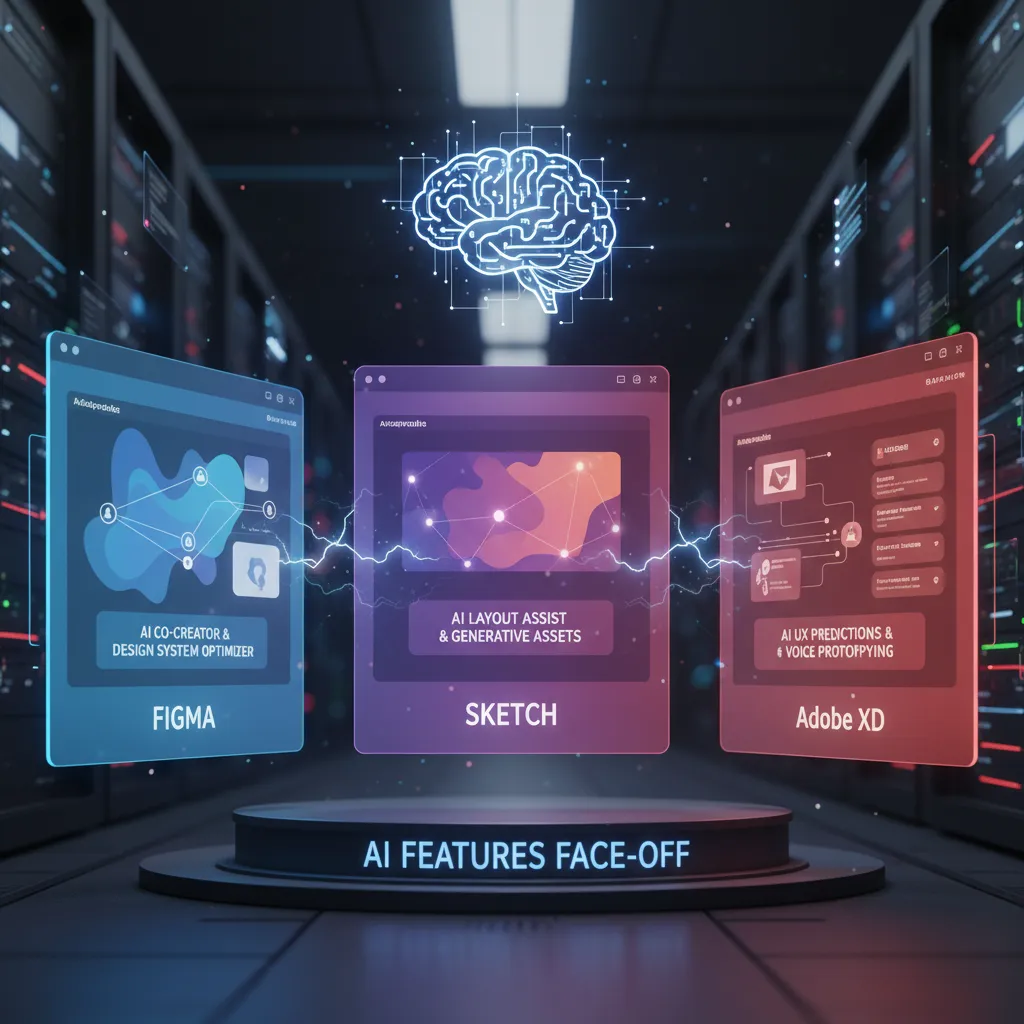
If you live in real time collaboration and cross platform access, Figma is the safest bet (and it’s pushing hardest on AI features). If you’re Mac-only and obsessive about pixel perfect control, Sketch still has real strengths—especially with plugins. Adobe XD has excellent Auto Animate/voice prototyping ideas, but “maintenance mode” changes the long-term calculus, even with Creative Cloud integration.
AI-Powered Social Media Management: 2025 Guide
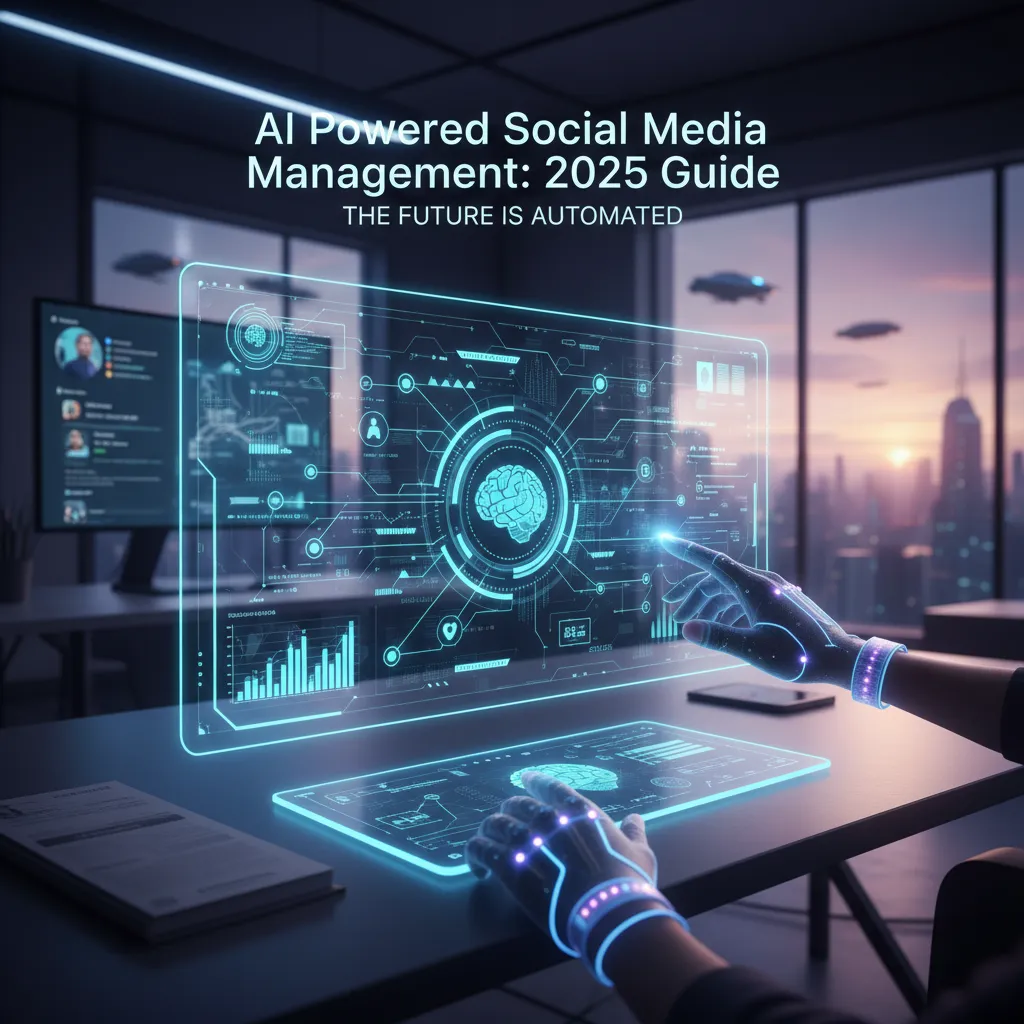
AI-powered social media management in 2025 works best when AI handles the busywork (content creation drafts, content scheduling, social listening, sentiment analysis, performance analytics) and I keep strategy, voice, and judgment. Pick tools based on team collaboration, multi-platform scheduling, security, and analytics—expect $99–$249/month for premium plans.
How AI Analytics Saved One Firm $5M a Year

AI-powered analytics can stack savings fast when tied to real workflow changes: predictive maintenance cuts downtime (up to 50%), forecasting reduces waste, and fraud detection blocks leakage—together enabling multi-million-dollar annual impact when scaled.
Stripe vs PayPal vs Square: AI Payments Face-Off

Stripe wins for developer-friendly API, customizable checkout, and AI-style fraud controls (Stripe Radar). PayPal wins for fast setup and familiar global reach. Square wins for in-person payments, POS solution simplicity, and next-day deposits—especially for retail.
AI-Powered Skills-Based Organization Playbook

Use AI to build a skills-based organization by (1) creating a practical skills taxonomy, (2) running workforce skills analysis to reveal gaps, (3) shifting hiring and staffing to skills over qualifications, (4) powering internal mobility programs, and (5) investing in employee development programs—while governing bias, privacy, and change fatigue with a simple operating rhythm.