
AI Operations Priority 2026: AI News, Real Results

AI transformed AI news operations when we treated it like an operations program: AI-ready data + context engineering + AI observability governance. The wins were real (speed, consistency), but so were the bottlenecks (unstructured data, governance, agentic workflow drift).
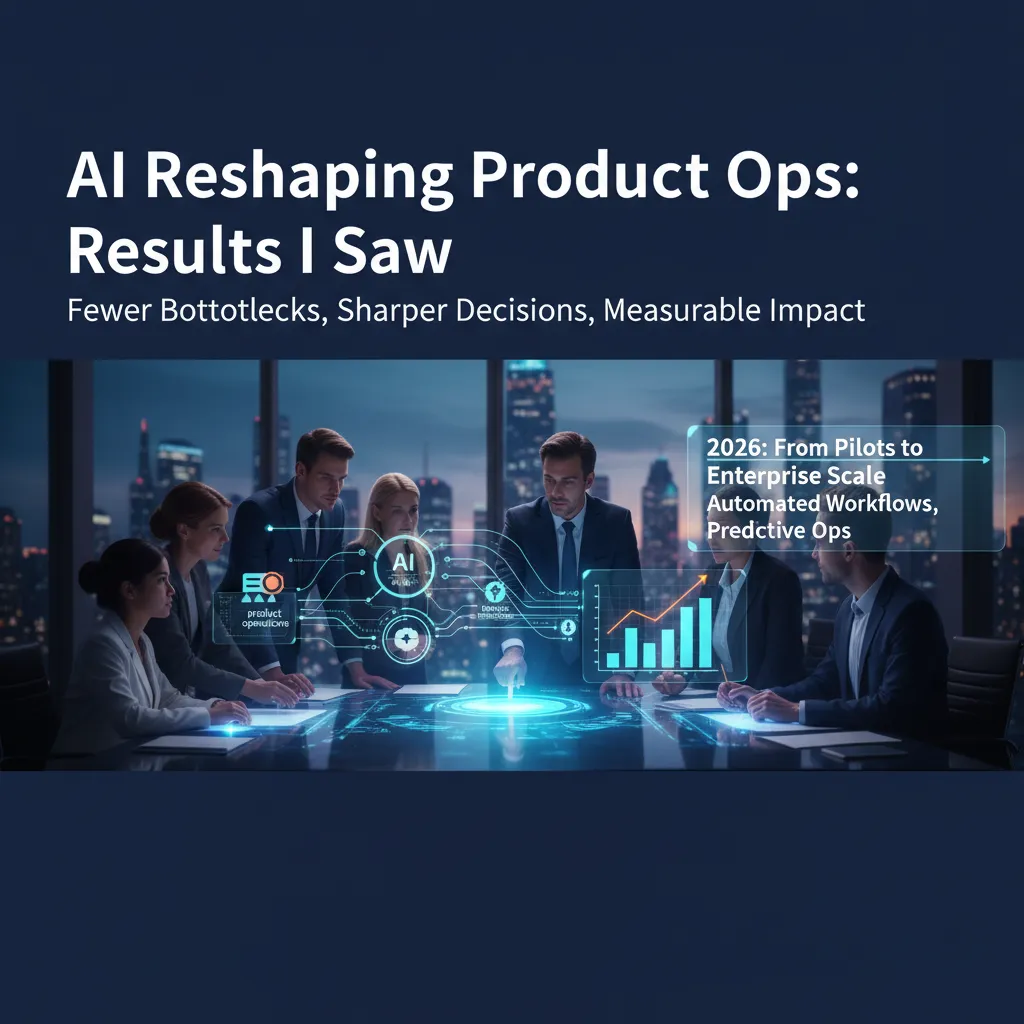
AI transformed product ops most when it shifted us from reactive firefighting to proactive decision making: automated workflows cut bottlenecks, predictive operations improved forecasting and risk detection, and scaled deployments drove cost savings and revenue increases. The catch: most teams still don’t see real impact because they stop at pilots, don’t redesign roles, and skip change fitness.

AI didn’t replace my team; it replaced our operational chaos. AI agents at scale, better data connecting collecting, and agentic optimization recommendations delivered measurable lift—while generative AI authenticity and governance kept us from shipping nonsense.
AI Automation Trends 2026: Ops Wins That Stuck
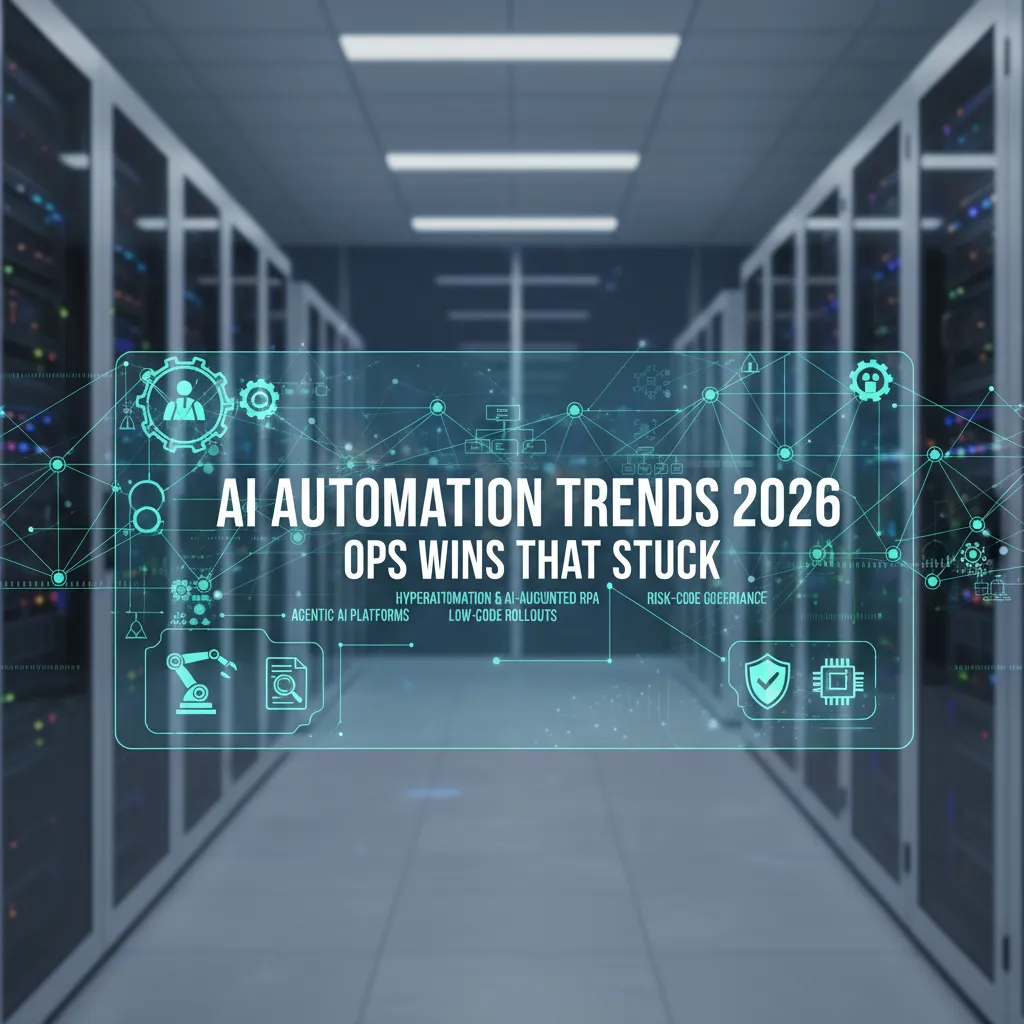
AI transformed automation operations by shifting work from brittle scripts to resilient, exception-aware systems. In 2026 AI trends, the biggest wins come from hyperautomation + AI-augmented RPA, low-code democratization, and agentic AI platforms—paired with serious AI risk governance and compliance planning. The market signals are loud: AI growth is accelerating, physical AI is coming fast, and operating models must be reinvented to capture AI automation value.
AI Reshaping Product Ops: Results I Saw
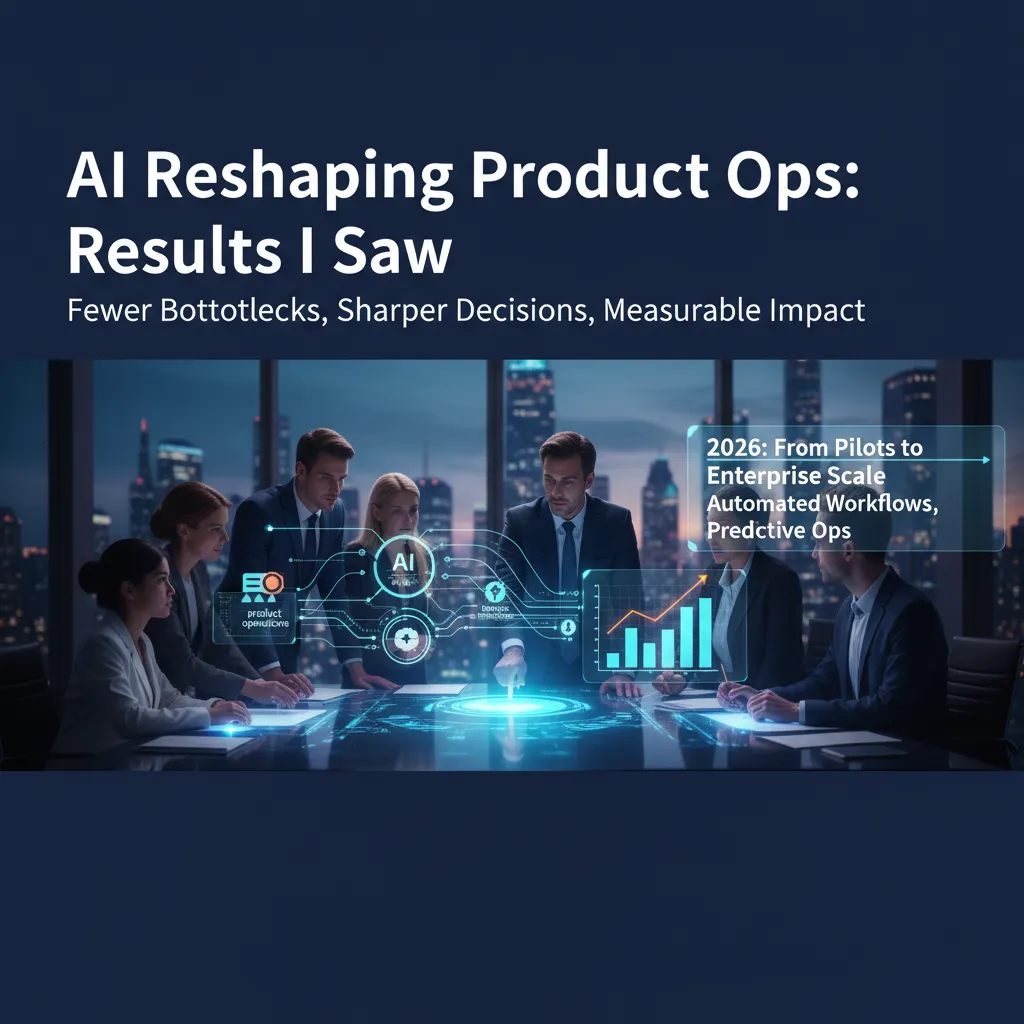
AI transformed product ops most when it shifted us from reactive firefighting to proactive decision making: automated workflows cut bottlenecks, predictive operations improved forecasting and risk detection, and scaled deployments drove cost savings and revenue increases. The catch: most teams still don’t see real impact because they stop at pilots, don’t redesign roles, and skip change fitness.