
Automation AI Strategy Guide for 2026 Teams
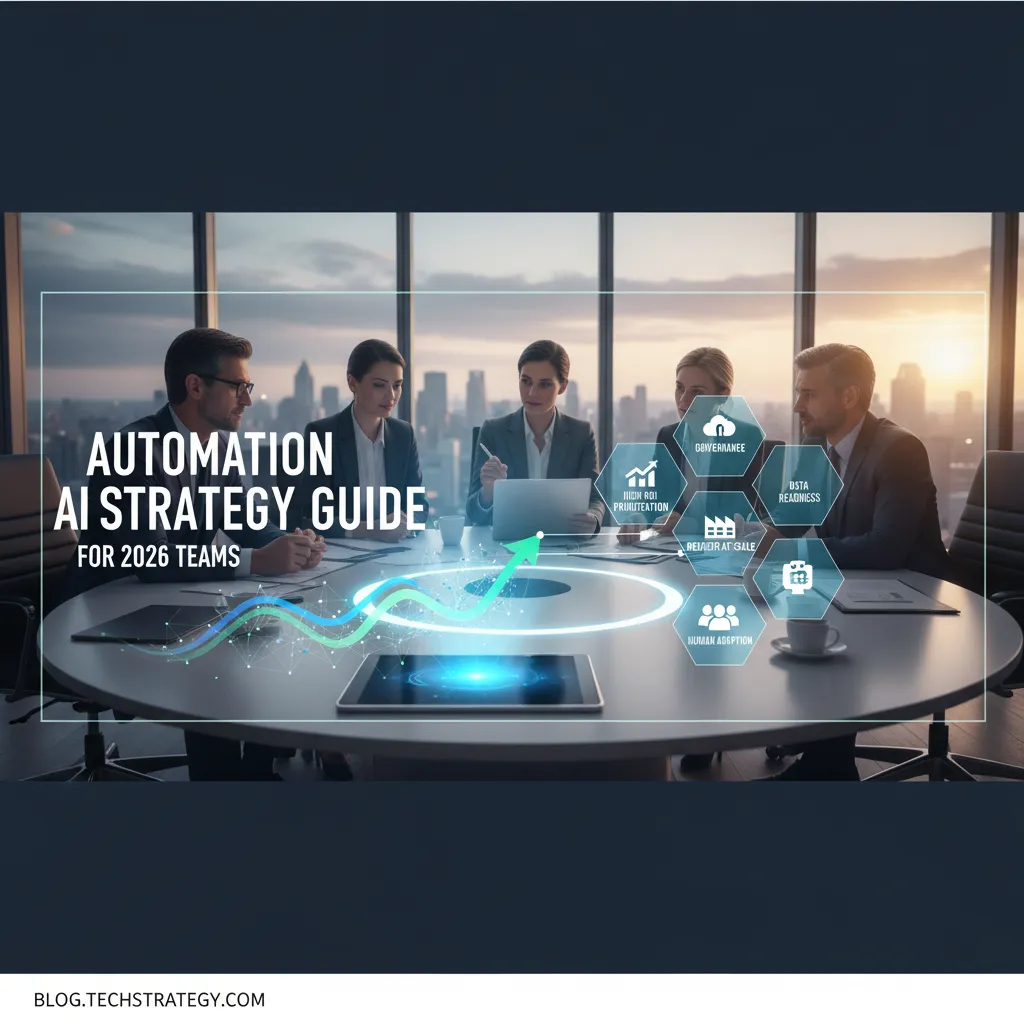
If I were starting today: I’d draw an Automation Landscape Map, rank High ROI Use Cases, set a federated governance model, build Security By Design + MLOps guardrails, then scale with an AI workforce model (humans + Enterprise AI Agents).
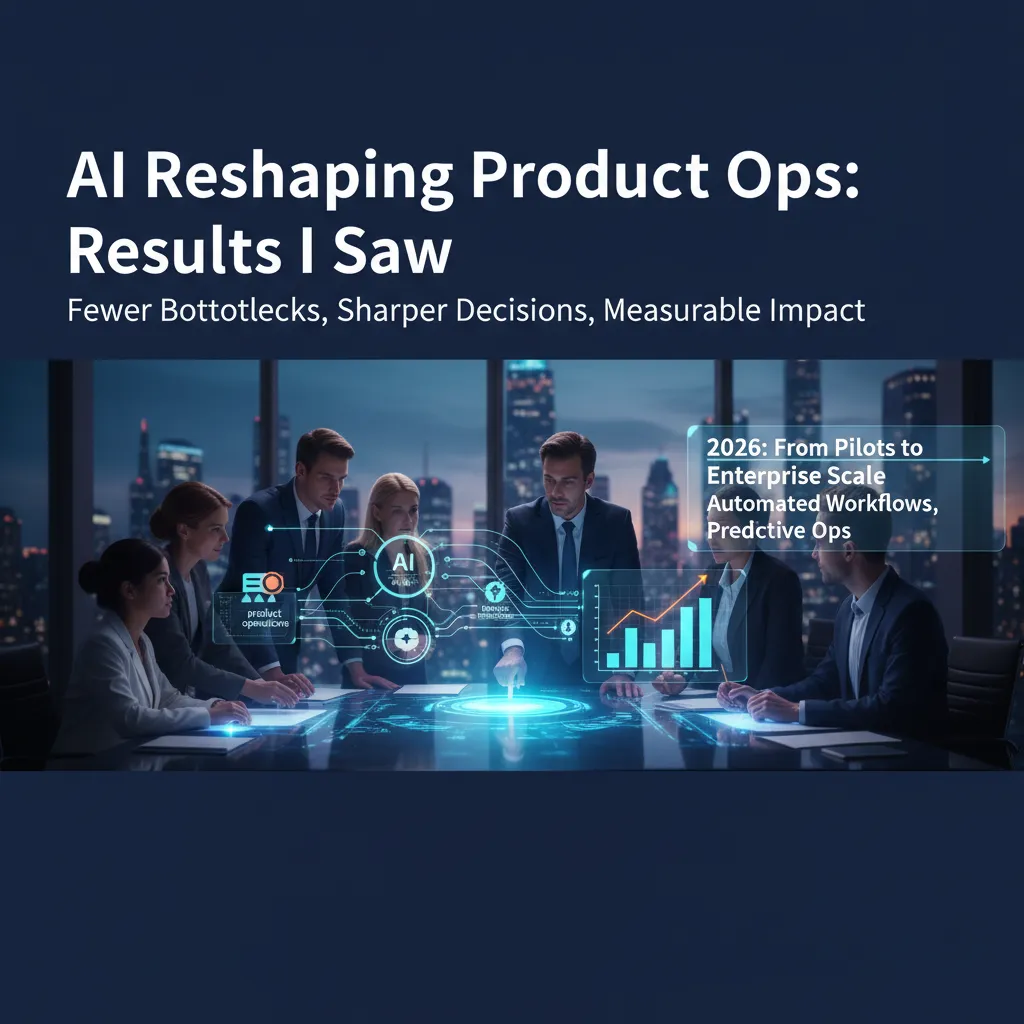
AI transformed product ops most when it shifted us from reactive firefighting to proactive decision making: automated workflows cut bottlenecks, predictive operations improved forecasting and risk detection, and scaled deployments drove cost savings and revenue increases. The catch: most teams still don’t see real impact because they stop at pilots, don’t redesign roles, and skip change fitness.
Top AI Trends 2026: A Practical Product Strategy
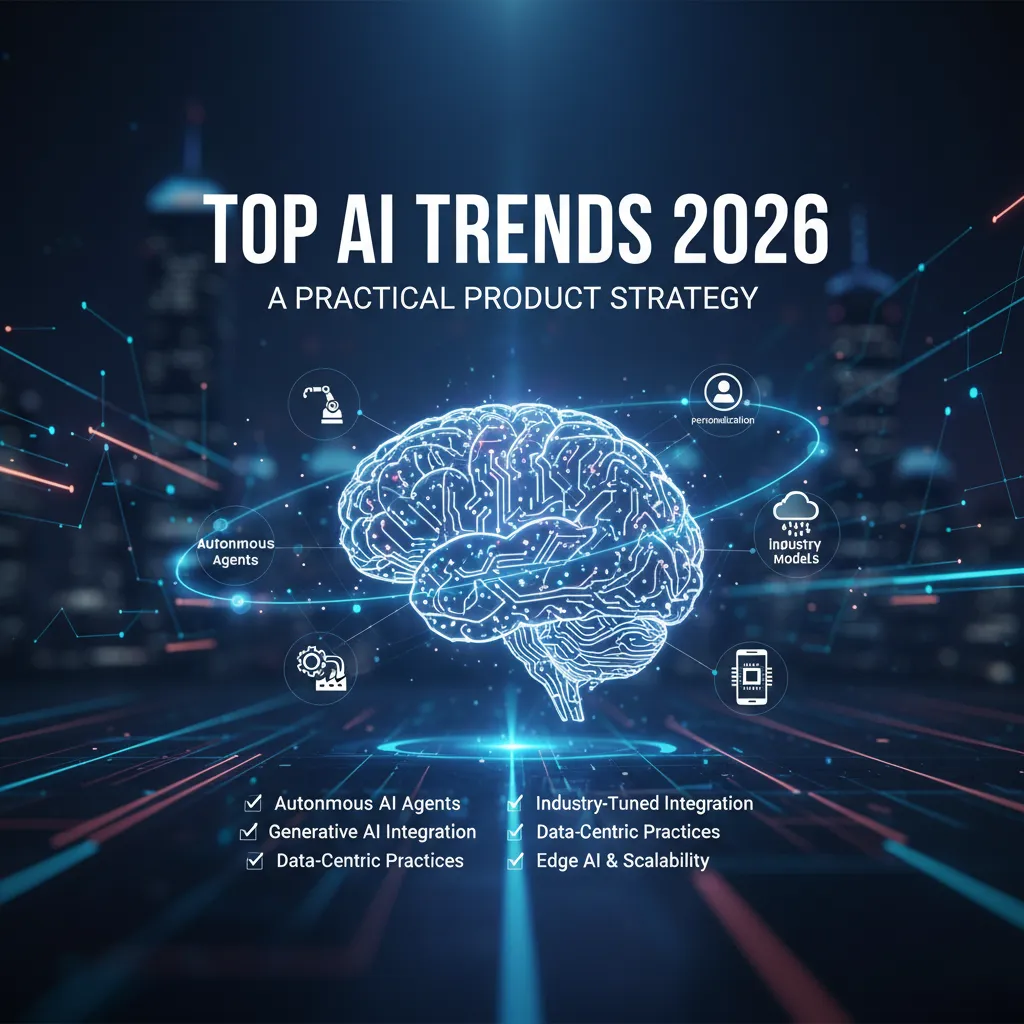
In 2026, AI strategy shifts from “which model?” to “which system?” Build around autonomous AI agents, personalization as a baseline expectation (over 70% expect it), industry-tuned models, edge AI for speed/privacy, and a data-centric practice with synthetic data—wrapped in human-AI collaboration workflows and strong governance.
Marketing AI Strategy Guide (Without the Hype)
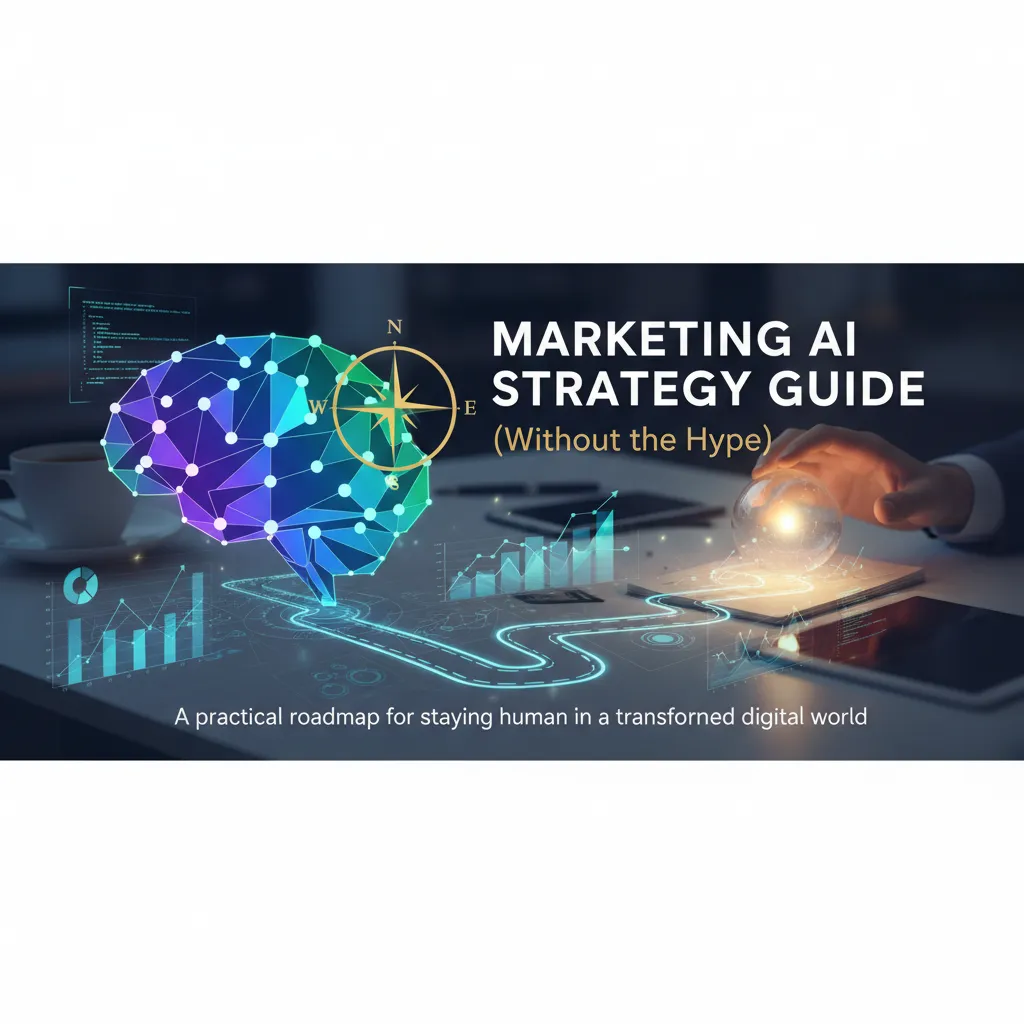
Marketing AI works best when you treat it like a system: pick the right use cases (content production, personalization, analytics), deploy AI agents carefully, prepare for conversational search and Generative Engine Optimisation, and protect trust with transparent data practices and synthetic data testing.