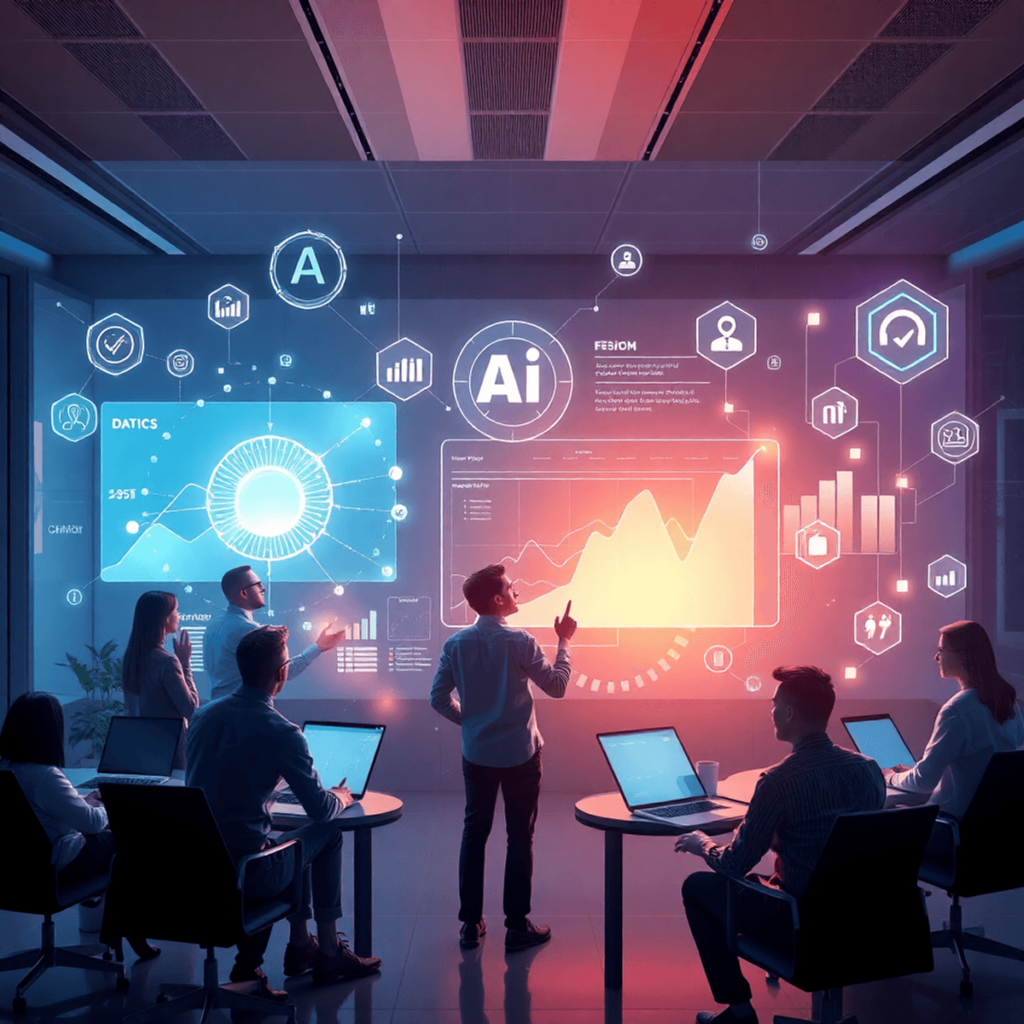
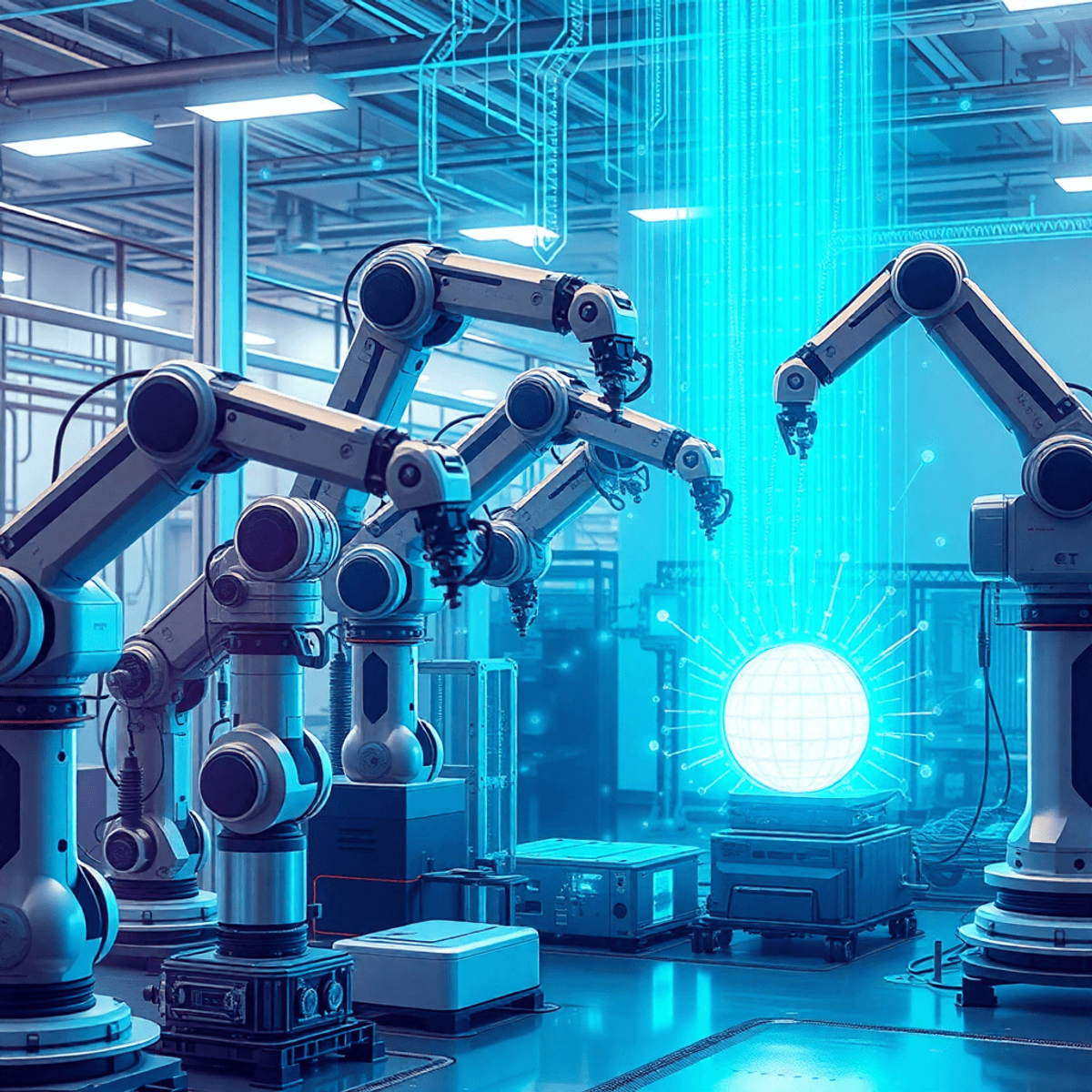
Automation refers to the use of technology to perform tasks with minimal human intervention. Traditionally focused on mechanizing repetitive manual activities, automation has significantly evolved through the integration of artificial intelligence (AI). This evolution has introduced intelligent automation systems that not only execute predefined rules but also learn, adapt, and make data-driven decisions.
AI integration has become a critical driver of industry transformation, enabling businesses to enhance operational efficiency, improve accuracy, and unlock new insights. Intelligent automation systems now combine technologies such as robotic process automation (RPA), natural language processing (NLP), and machine learning to automate complex workflows previously reliant on human judgment.
The importance of AI-driven automation lies in its ability to accelerate processes while maintaining high quality standards. Industries ranging from finance and construction to government defense agencies are leveraging these advancements to optimize performance and foster innovation.
This article presents insights from leading experts in automation who discuss:
- The expanding role of AI components in modern automation frameworks
- Real-world applications transforming diverse sectors
- Critical success factors for adopting intelligent automation
- Ethical considerations and workforce impacts amid rapid technological change
- Visions for future workplaces enhanced by AI-assisted systems
Readers will gain an in-depth understanding of how intelligent automation is reshaping industries and what it takes to implement these powerful tools responsibly.
The Role of AI in Modern Automation
Artificial intelligence (AI) has become a cornerstone of modern automation, transforming routine processes into intelligent workflows that adapt and improve over time. Key AI components such as robotic process automation (RPA), machine learning, and natural language processing (NLP) work together to elevate automation beyond simple task execution.
Enhancing Automation Processes with AI
- Robotic Process Automation (RPA): Automates repetitive, rule-based tasks by mimicking human actions on digital systems. RPA bots excel at high-volume, structured data activities like invoice processing or data entry.
- Natural Language Processing (NLP): Enables machines to understand and interpret human language, facilitating automation of customer service interactions, document analysis, and sentiment detection.
- Machine Learning: Provides systems with the ability to learn from data patterns and improve decisions without explicit programming. This capability introduces adaptability and predictive power into automated processes.
Synergy Between RPA, NLP, and Machine Learning
The combination of these AI technologies creates a robust ecosystem for automating complex workflows:
- RPA handles transactional tasks such as moving data between applications or executing predefined rules.
- NLP adds contextual understanding, allowing systems to interpret unstructured text or voice commands.
- Machine learning analyzes historical data to optimize decision-making, identify anomalies, and predict outcomes.
This integration allows organizations to automate not only straightforward activities but also dynamic processes that require interpretation and judgment.
Benefits Brought by AI in Automation
- Increased Efficiency: AI-driven automation accelerates operations by performing tasks faster than manual methods while working continuously without fatigue.
- Improved Accuracy: Reduction in human errors results from precise rule enforcement and intelligent validation mechanisms embedded within automated workflows.
- Data-Driven Decision-Making: Machine learning models extract insights from vast datasets, enabling smarter business decisions and proactive risk management.
“By combining RPA’s speed with the cognitive capabilities of NLP and machine learning, companies unlock new levels of operational excellence,” notes an automation leader focusing on enterprise digital transformation.
AI-enhanced automation shifts the role of human workers toward exception handling, strategic planning, and creative problem-solving—areas where machines augment rather than replace human judgment.
This fusion of technologies sets the stage for industry-specific applications where tailored AI solutions address unique challenges while maximizing efficiency gains.
Industry Applications of AI-Powered Automation
1. Accounting and Finance
AI in automation industry applications has reshaped accounting and finance by introducing unprecedented speed and accuracy to processes traditionally reliant on manual effort. Complex tasks like audit planning and risk analysis now benefit from intelligent automation, which streamlines workflows and enhances decision-making precision.
Accelerating Audits and Risk Assessments
AI-powered tools analyze vast amounts of financial data faster than humanly possible, identifying anomalies, potential fraud, or compliance issues during audits. Machine learning models adapt over time to recognize new patterns of risk, enabling proactive responses rather than reactive corrections.
Enhancing Quality and Speed
Automation reduces human error by standardizing repetitive tasks such as data entry, reconciliation, and report generation. Natural language processing (NLP) helps interpret unstructured data such as contracts or emails, extracting relevant information seamlessly. This combination results in both faster turnaround times and higher-quality outputs.
Managing Risks Related to Control Integrity and Data Quality
Incorporating AI into financial controls introduces new challenges around maintaining system integrity. Continuous monitoring systems detect deviations from established control parameters, alerting teams before small discrepancies escalate. Ensuring data quality is paramount; advanced algorithms validate inputs against multiple sources to prevent faulty conclusions or misguided strategies.
Experts emphasize that successful deployment requires careful balancing—leveraging AI’s strengths while reinforcing oversight mechanisms. This dual approach safeguards against potential pitfalls in automated decision-making, bolstering confidence among stakeholders.
This dynamic integration of AI-driven automation transforms traditional accounting functions into strategic assets that deliver timely insights with reduced operational risks.
2. Construction Sector
AI is transforming the construction industry by changing how projects are designed, executed, and managed. Here’s how:
1. Improving Design Processes
AI-driven tools are making the design process faster and more efficient:
- Design Optioneering: With AI, architects can quickly generate and evaluate multiple design alternatives based on factors like cost, materials, and sustainability. This significantly reduces the time spent on design iterations and improves decision-making.
- 3D Model Checking: AI-powered software can automatically detect errors in complex structural designs, minimizing the risk of human oversight. This ensures that potential issues are identified early on, saving time and money during construction.
2. Enhancing Construction Operations
AI is also streamlining various aspects of construction operations:
- Robotics Applications: Autonomous drones equipped with sensors are being used to monitor construction sites for safety hazards. These drones can continuously scan the area, ensuring compliance with safety standards and alerting workers in real-time about any potential dangers.
- Contract Management: AI technologies are being employed to analyze contracts and extract important information such as deadlines and milestones. This helps project managers stay on top of their obligations without having to manually review every document.
3. Predicting Risks and Streamlining Processes
AI’s predictive capabilities are proving valuable in mitigating risks associated with construction projects:
- Risk Analysis: By analyzing historical data trends, AI can forecast potential delays or budget overruns. This allows project teams to proactively address issues before they escalate.
- Process Automation: Tasks like scheduling material deliveries or ensuring regulatory compliance can be automated using AI algorithms. This frees up time for project managers to focus on more critical aspects of their work.
While these advancements bring numerous benefits, there are also challenges that need to be addressed:
- Ethical Concerns: The use of surveillance technologies for site monitoring raises questions about worker privacy and consent.
- Workforce Impacts: As certain roles become automated, there is a risk of job displacement for some workers. It will be essential to implement retraining programs to help them transition into new positions.
- Balancing Technology Adoption with Skilled Craftsmanship: While automation can improve efficiency, it’s crucial not to undermine the expertise and craftsmanship that skilled workers bring to construction projects.
The integration of AI in the construction sector holds great promise for enhancing productivity and safety while reducing costs. However, it is vital for industry leaders to approach these changes thoughtfully, considering both the benefits and potential drawbacks involved.
3. Government Defense Agencies
AI-powered automation is transforming government defense agencies by streamlining complex processes, reducing operational costs, and accelerating approval timelines. Defense organizations face unique challenges involving high-stakes decision-making, stringent regulatory compliance, and vast volumes of sensitive information. Intelligent automation addresses these demands by:
- Automating software authorization reviews: Rather than relying solely on manual audits, AI systems evaluate software compliance with security policies rapidly and accurately. This accelerates the approval cycle for deploying critical defense applications while maintaining rigorous oversight.
- Enhancing cybersecurity risk assessments: Within established regulatory frameworks such as the Risk Management Framework (RMF), AI tools analyze threat data and system vulnerabilities more comprehensively than traditional methods. This leads to proactive identification of risks, enabling agencies to implement defenses before breaches occur.
- Improving operational efficiency: Routine administrative tasks, including documentation, reporting, and data validation, are automated to free personnel for higher-value strategic work. Automation reduces human error and ensures consistency across multi-layered defense workflows.
- Supporting real-time decision-making: AI-driven analytics synthesize intelligence inputs from diverse sources to assist commanders in mission planning and threat evaluation. The ability to process large datasets quickly enhances situational awareness under dynamic conditions.
- Facilitating compliance with evolving regulations: Automated monitoring systems track changes in defense policies and standards, ensuring that processes adapt promptly without extensive manual intervention.
Benefits realized through AI integration:
- Cost savings by minimizing labor-intensive reviews
- Faster turnaround times for critical software deployments
- Strengthened cybersecurity posture through continuous automated assessments
- Enhanced accuracy and consistency in documentation and reporting
- Improved agility in responding to emerging threats
Government defense agencies exemplify how AI in automation industry applications reshapes traditional workflows by embedding intelligent capabilities into core operational functions. This evolution supports mission readiness while managing risks inherent in highly regulated environments.
Key Factors for Successful Automation Implementation
Implementing automation effectively goes beyond technology; it requires a strong focus on people-centric change management strategies. These strategies ensure smooth adoption and minimize resistance by addressing human factors throughout the transformation.
Key elements to consider include:
- Change Management Strategies Focused on People: Successful automation initiatives prioritize communication, training, and involvement of employees at every stage. Engaging teams early helps build trust and eases anxiety about new workflows. Tailored training programs enable workers to understand not just how to use new tools but why these changes benefit their roles and the organization.
- Leadership Involvement as a Critical Success Factor: Active sponsorship and visible support from senior leadership drive momentum for AI adoption. Leaders set the tone by championing automation projects, allocating resources, and modeling openness to innovation. Their commitment signals organizational priorities and encourages cross-department collaboration essential for scaling automation efforts.
- Accessibility of Advanced Automation Tools for Non-Coders: Democratizing automation technology expands participation beyond IT specialists. Low-code or no-code platforms empower business users to create, modify, or manage automated processes without writing complex code. This approach accelerates deployment cycles and fosters continuous improvement driven by those closest to the work.
- Preparing Employees for Workforce Transitions: Workforce planning anticipates shifts in roles caused by automation. Organizations must provide reskilling opportunities and career development pathways that align with evolving job functions. Transparent dialogue about changing responsibilities mitigates fear of displacement and encourages acceptance of augmented roles supported by AI.
Emphasizing these factors creates an environment where automation can thrive as a collaborative tool that complements human capabilities rather than replacing them. The balance between technology and people-centered strategies is crucial to unlocking sustainable value from intelligent automation solutions.
Future Outlook: The Next Frontier of Work with AI-Assisted Systems
Artificial intelligence is set to redefine the landscape of work by embedding itself deeply into every phase of industrial processes — from planning and execution through to maintenance. This integration will transform traditional workflows, creating environments where human expertise is amplified by intelligent systems designed to anticipate needs, optimize resources, and enhance decision-making accuracy.
AI Empowering the Entire Work Lifecycle
- Planning: AI algorithms analyze vast data sets to generate optimized project plans, predict potential bottlenecks, and suggest resource allocations. This allows organizations to approach complex projects with a higher degree of confidence and agility.
- Execution: Robotics technologies take center stage on the operational floor. Automated machines equipped with AI capabilities perform repetitive or hazardous tasks with precision, consistency, and speed beyond human ability.
- Maintenance: Predictive analytics enable proactive maintenance schedules that reduce downtime and extend equipment life cycles, enhancing operational continuity.
Voice activation emerges as a pivotal technology in this future ecosystem. By enabling hands-free control over machinery and information systems, voice commands facilitate real-time interaction between humans and automated systems without interrupting workflow. This is particularly valuable in environments where manual dexterity or visual focus must remain undisturbed.
Enhancing Quality Outcomes
AI-driven automation fosters higher-quality outputs by reducing human error and standardizing procedures. For example:
- In manufacturing settings, robots equipped with sensors can detect minute defects during production far earlier than manual inspections.
- In healthcare facilities, voice-activated documentation tools improve the accuracy of patient records while allowing clinicians to maintain focus on care delivery.
Workplace Safety Through Intelligent Solutions
Workplace safety benefits immensely from the deployment of robotics technologies combined with AI:
- Autonomous robots can operate in dangerous zones such as chemical plants or construction sites, minimizing human exposure.
- Voice-controlled emergency systems provide workers rapid access to help without needing physical interaction with devices.
- Continuous monitoring via smart sensors detects environmental hazards proactively, triggering alerts before incidents occur.
The trajectory points toward a future where AI-assisted systems are not mere tools but collaborative partners that seamlessly integrate into daily work routines—elevating productivity, safeguarding personnel, and expanding possibilities for innovation across all industries.
Challenges Ethical Considerations in the Age of Automation
Automation’s rapid integration into workplaces raises significant concerns about job displacement. As AI-driven systems take over repetitive and rule-based tasks, many roles traditionally performed by humans face transformation or obsolescence. Workforce displacement is not only an economic issue but also a social one, requiring organizations and policymakers to address:
- Reskilling and upskilling programs for affected employees
- Strategies for equitable workforce transition
- Support mechanisms to help displaced workers find new opportunities
Ethical implications extend beyond employment. Autonomous technologies introduce complex questions related to fairness, transparency, accountability, and privacy across critical sectors such as healthcare, finance, and public administration. Some notable ethical challenges include:
- Bias and discrimination embedded in AI algorithms that can impact decision-making processes like loan approvals or medical diagnoses
- Data privacy risks resulting from extensive data collection and analysis required for automation
- Accountability dilemmas where it becomes unclear who is responsible when automated systems cause harm or errors
The healthcare sector illustrates these concerns vividly; AI tools aiding diagnosis or treatment recommendations must be rigorously validated to avoid potentially life-threatening mistakes influenced by flawed training data. In finance, automated trading systems and credit scoring models demand oversight to prevent unfair market manipulation or exclusion of vulnerable populations.
These complexities highlight a pressing need for thoughtful policies and effective regulations that promote responsible automation growth while safeguarding human rights and societal values. Essential regulatory measures involve:
- Establishing clear standards for AI transparency and explainability
- Creating frameworks for ethical AI design incorporating fairness audits
- Enforcing robust data protection laws tailored to automated environments
- Implementing continuous monitoring mechanisms to detect unintended consequences
Regulatory bodies are increasingly exploring collaborative approaches involving industry leaders, ethicists, technologists, and labor representatives to craft balanced guidelines that foster innovation without compromising public trust.
Automation’s ethical landscape demands ongoing vigilance to ensure technology serves humanity equitably—not just efficiency or profit motives. The challenge lies in harmonizing technological potential with moral responsibility through proactive governance strategies that anticipate risks before they materialize.
Conclusion
To fully embrace the future of automation, we need to be intentional and thoughtful in our approach. This means combining insights from AI leaders with a focus on innovation. Intelligent automation has the power to transform industries, bringing about significant improvements in productivity, accuracy, and decision-making on a scale we’ve never seen before.
Here are some key points to keep in mind as we move forward with our automation initiatives:
- Balance innovation with responsibility: Use AI-driven automation not only to become more efficient but also to promote ethical and sustainable development.
- Foster inclusive leadership: Involve diverse stakeholders in guiding technology adoption, ensuring that workforce transitions are handled with compassion and effectiveness.
- Prioritize continuous learning: Provide teams with the skills and tools they need to thrive alongside automated systems, reducing resistance and maximizing collaboration between humans and AI.
- Implement robust governance: Create policies and regulatory frameworks that protect data integrity, privacy, and fairness while encouraging experimentation and growth.
The insights shared by automation leaders highlight a future where intelligent systems work alongside humans instead of replacing them. This vision calls for a thoughtful embrace of technological advancements across industries — creating environments where innovation can thrive alongside responsible implementation.
By applying these lessons, organizations can fully realize the benefits of AI-powered automation, creating lasting value while upholding social and ethical standards. The path towards this balanced future begins with leaders who are committed to integrating cutting-edge tools with strategies that prioritize humanity.