
A Practical Data + AI Strategy Guide for 2026
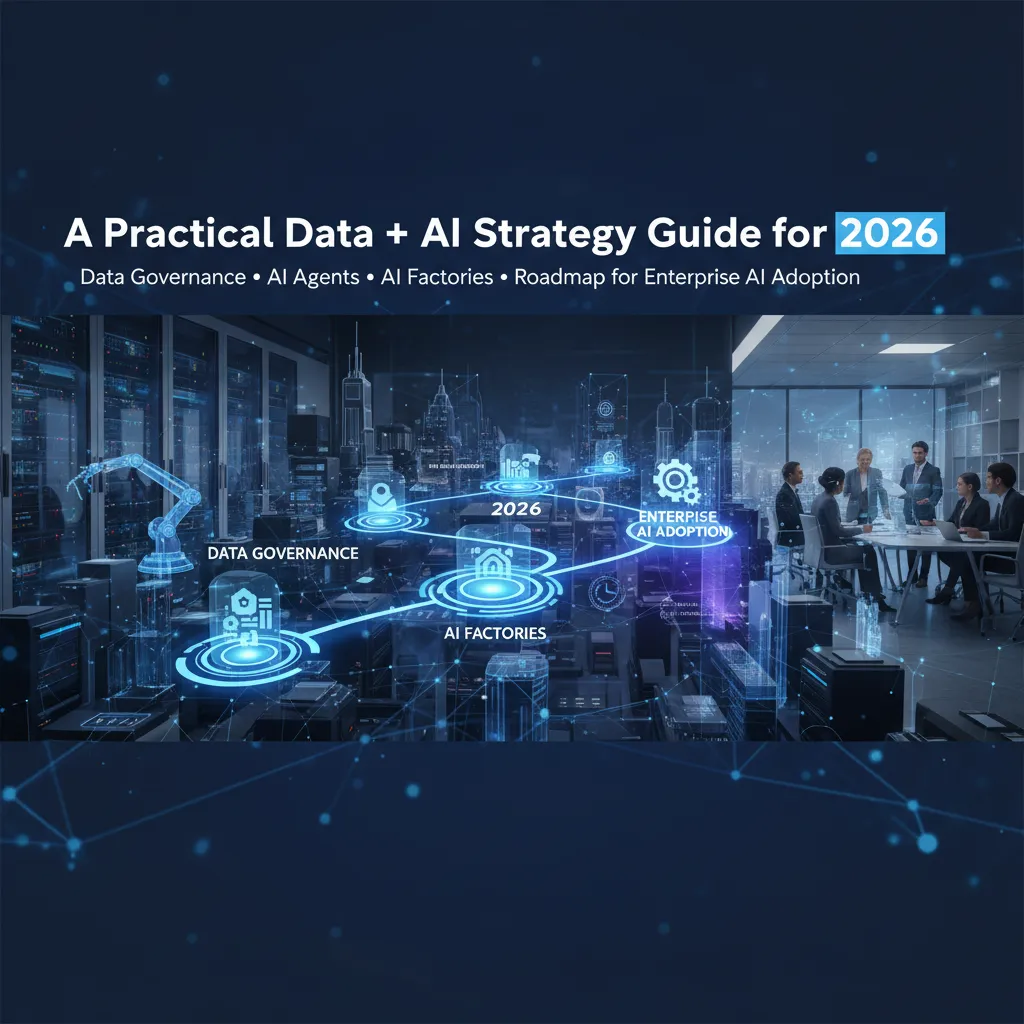
In 2026, I build AI Strategy around governed data estates, flexible LLM choices, and a people-first approach: tighten governance (lineage, policies, zero-trust), scale high-quality AI agents, and invest in “AI factories” so use cases move from pilot to production without chaos.
AI Trends 2026: Agentic Systems In Data Ops
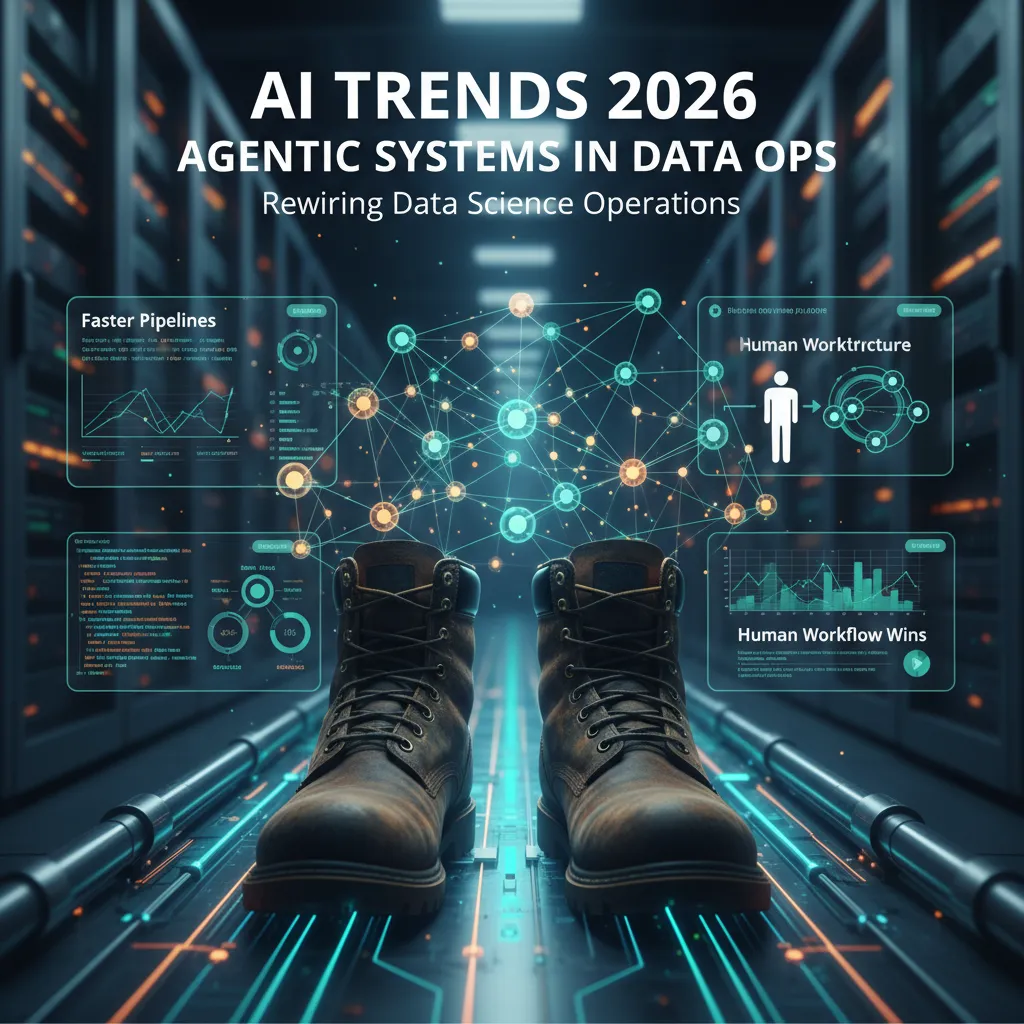
AI transformed data science operations when we stopped chasing one giant model and started building systems: smaller efficient models + model routing systems, RAG for accuracy, edge AI deployment for latency, and agentic AI systems for end-to-end workflow automation—backed by a growing open source AI ecosystem and more infrastructure efficiency.
AI Finance Transformation 2026: Real Ops Wins

AI is moving from experiments to regulated, enterprise capability in finance ops. Agentic AI and digital employees are driving measurable efficiency and productivity, fraud detection is a breakout use case, voice AI is rising fast, and responsible AI governance + cloud maturity + real-time connectivity are now table stakes for scaling safely in 2026.
HR Trends 2026: AI in Human Resources, Up Close
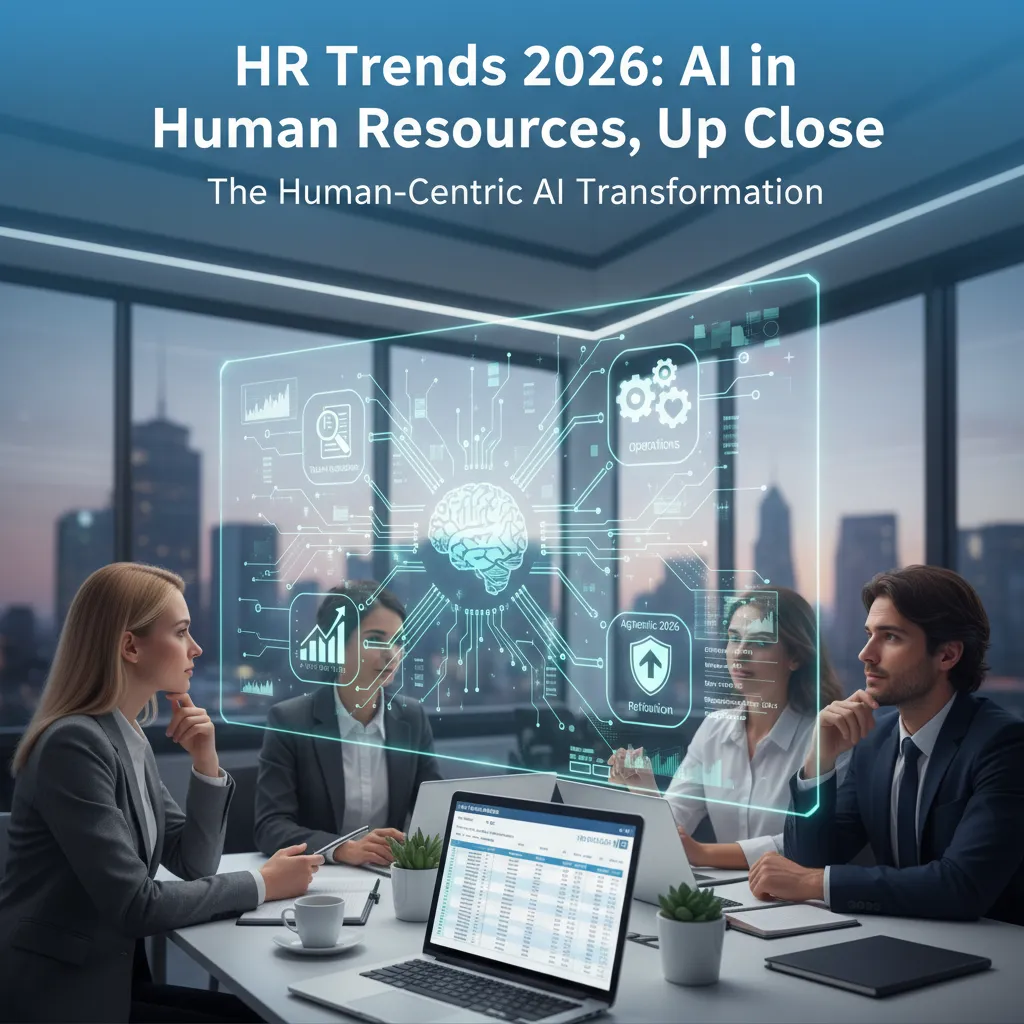
AI in HR is no longer a pilot toy: it’s cutting hours, sharpening recruiting, and improving retention—if you rebuild workflows, lock down data, and run responsible AI governance with HR–IT collaboration.
Finance AI Strategy: What I’d Do Differently
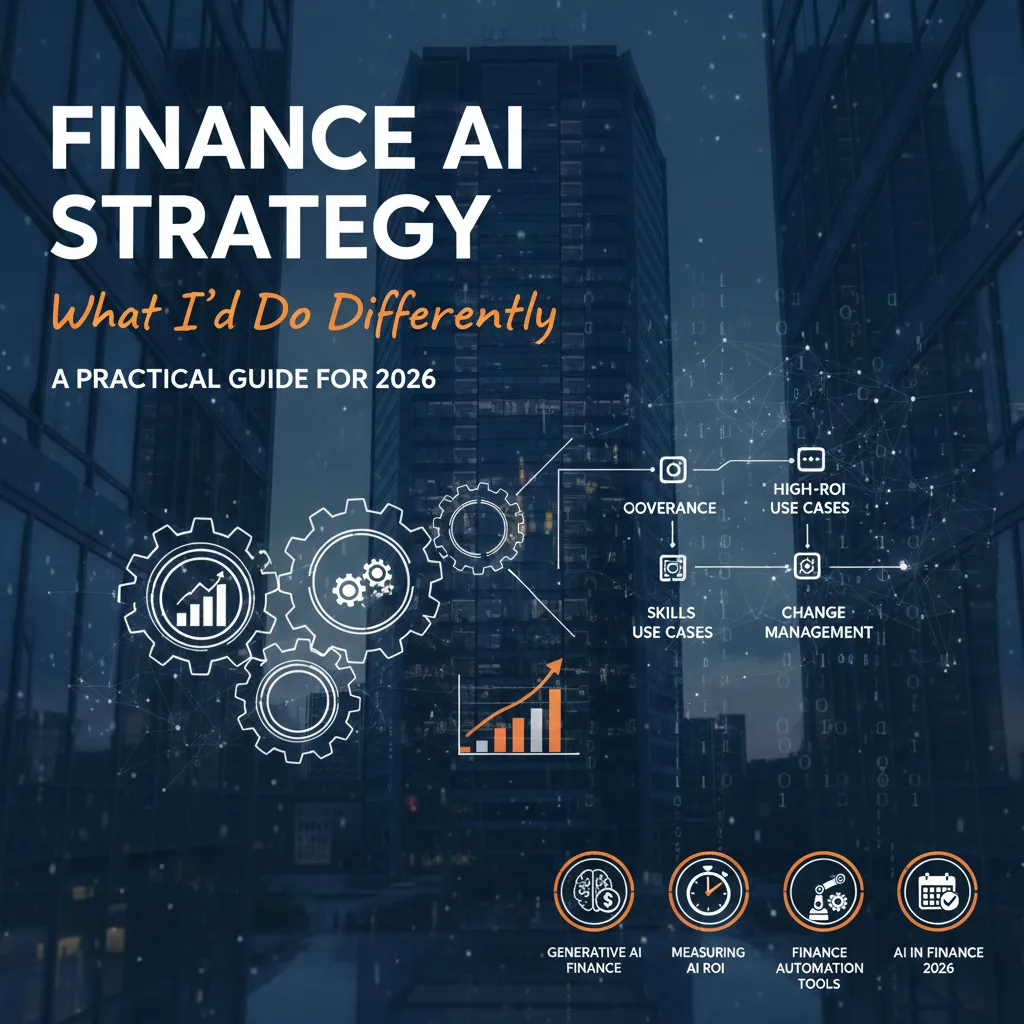
In 2026, finance AI strategy isn’t about owning the coolest model—it’s about measurable business outcomes. Start with governance and data readiness, pick high-ROI workflows (AP, fraud, forecasting, reporting), combine Generative AI (the “brain”) with RPA (the “muscle”), and measure ROI with outcome metrics (not vanity metrics). Expect skills gaps; many teams will use outsourced services to move faster, but you still need change management to make AI adoption stick.
HR AI Strategy Guide: Trends, Tools & 2026 Playbook
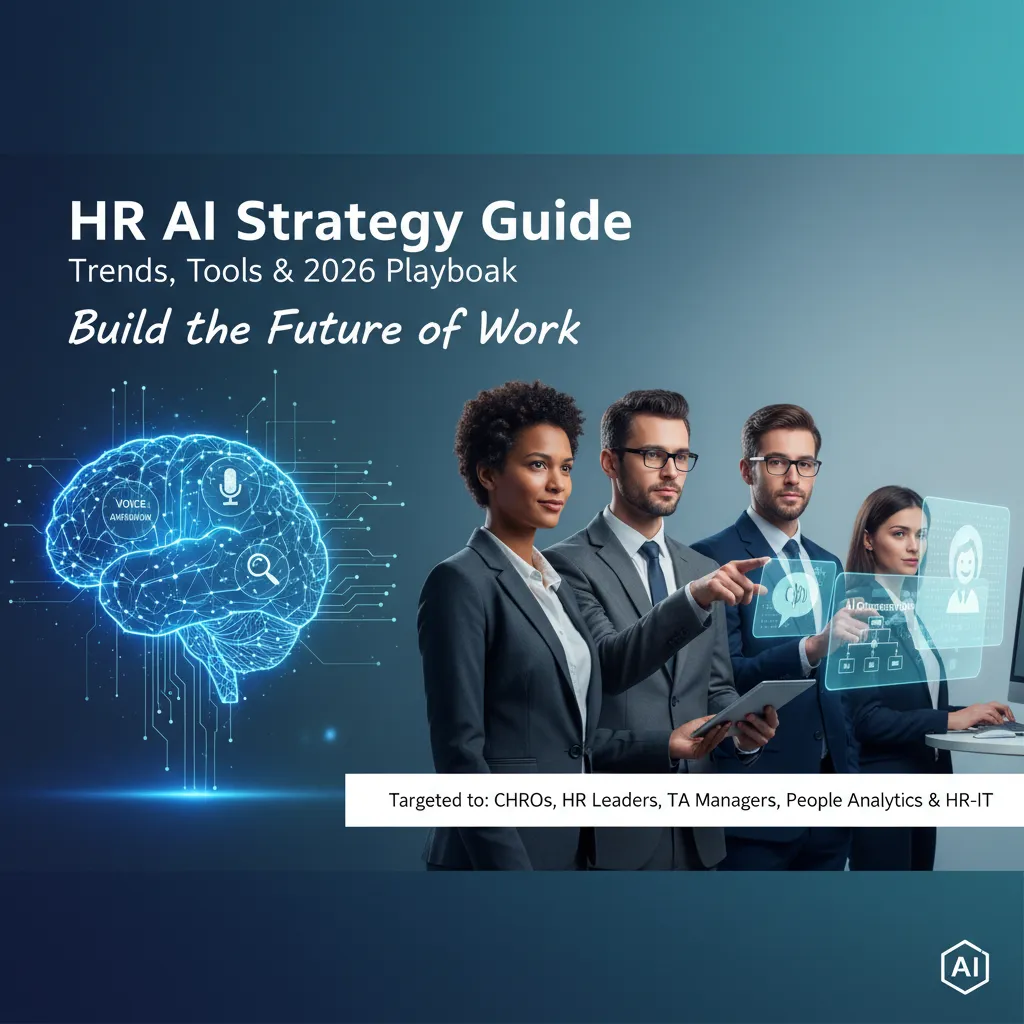
In 2026, HR AI winners will treat AI like an operating model: orchestrate workflows, tame unstructured workforce data, deploy AI voice agents carefully, personalize journeys responsibly, and lock HR-IT collaboration plus governance early—then prove ROI with hiring speed, retention forecasting AI, and productivity lift.
Sales AI Strategy Guide I Actually Use
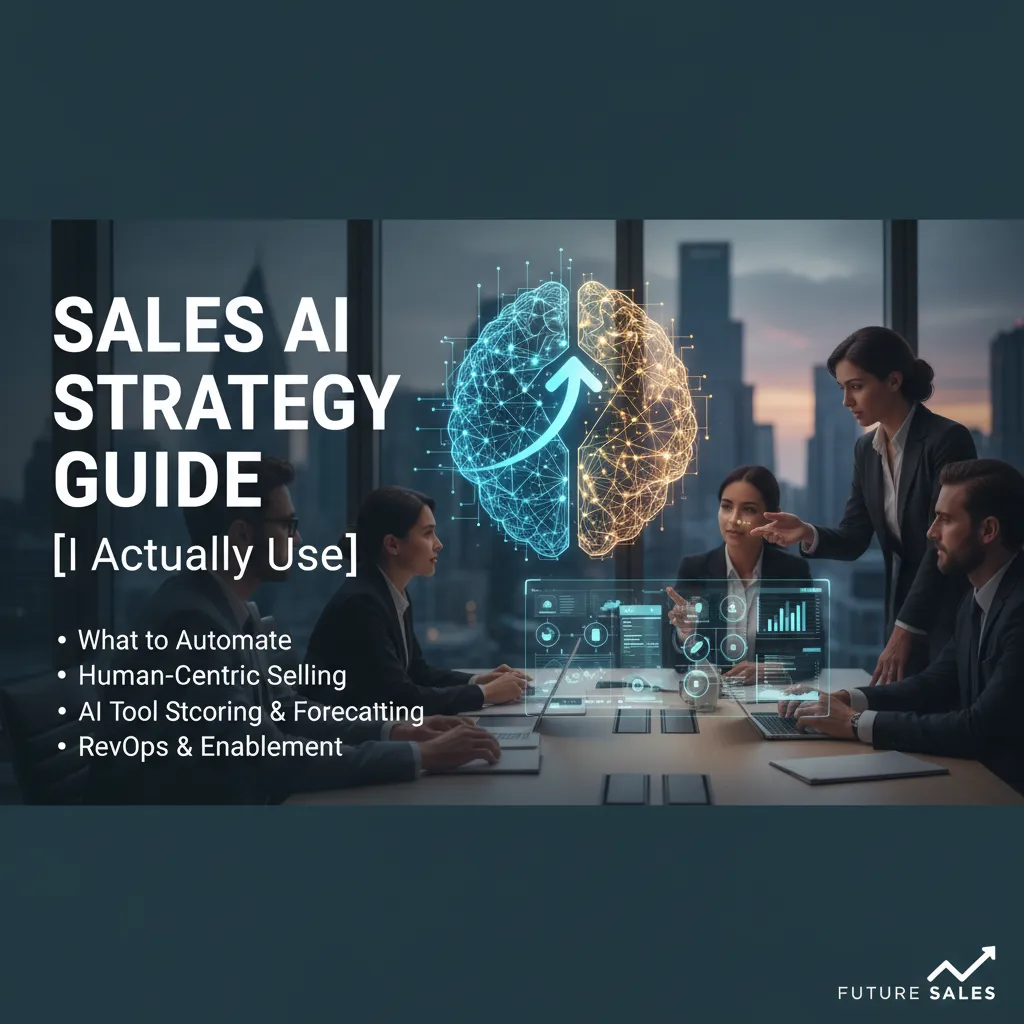
If I had to boil it down: start with clean, unified data; deploy AI sales tools where they shorten cycles (prospecting, qualification, follow-up, forecasting); measure impact on conversion and variance; and keep humans in charge of judgment, ethics, and relationships.
Operations AI Strategy: From Chaos to Shipped Wins
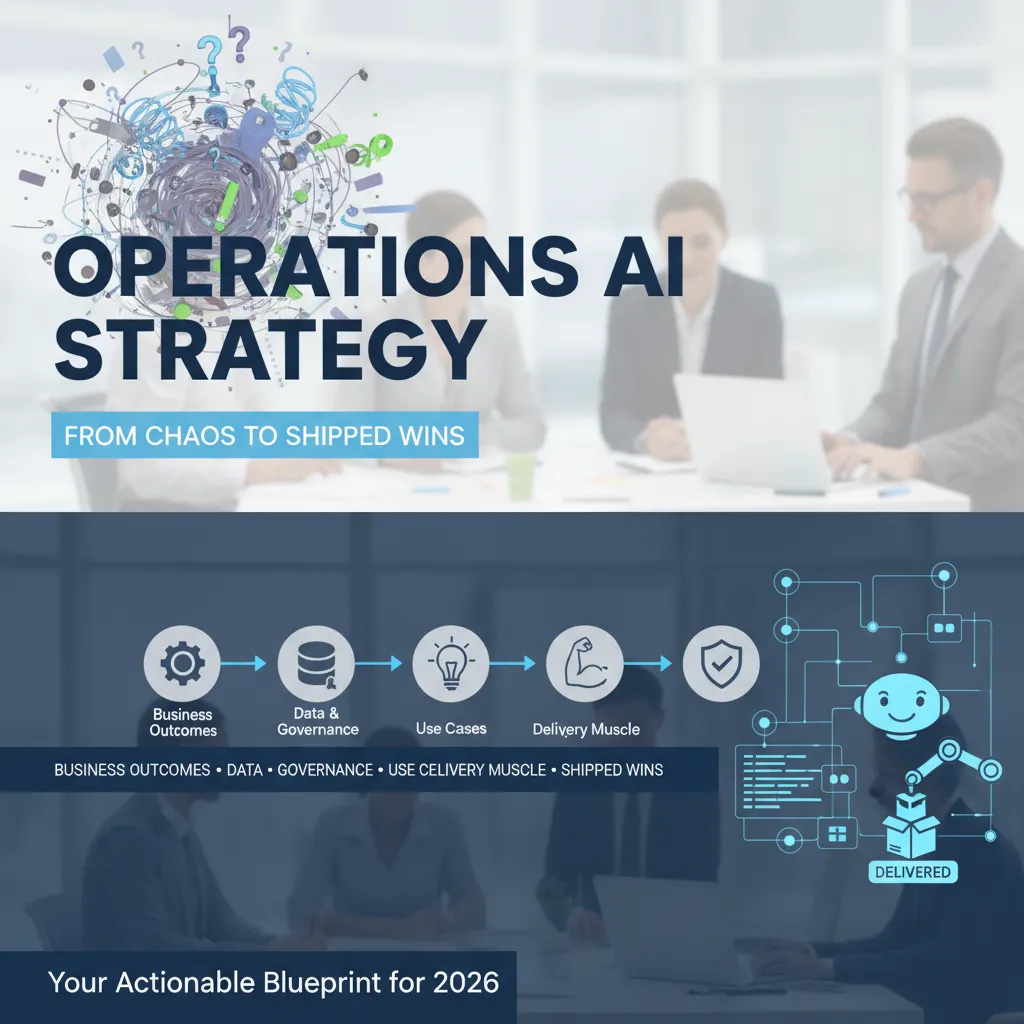
Operations is leading AI adoption in 2026 because it’s packed with repeatable work. Start with measurable business outcomes (not vanity metrics), build a unified data foundation, prioritize high-ROI use cases, set up an AI governance framework, and ship AI workers through disciplined delivery (MLOps + security) that plugs into ERP/CRM/workflows.
AI Operations Priority 2026: Leadership Results
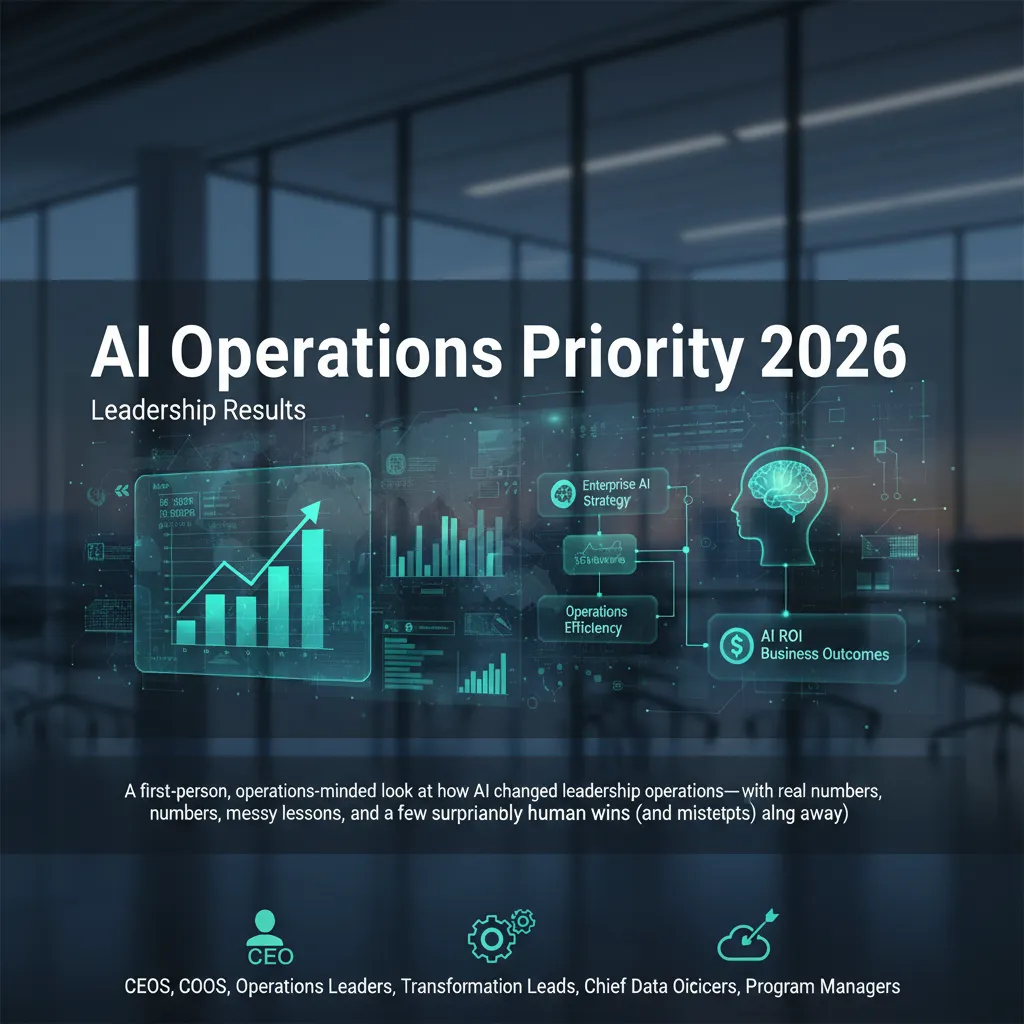
AI is becoming an operations priority in 2026 because leaders are chasing measurable returns: spending is expected to rise from 0.8% to ~1.7% of revenue, adoption is up to 72%, and 92.1% report results. The winners treat AI as an operating system—clear KPIs, governance, strong data quality, and workforce adoption—not a side project.
AI Operations Priority 2026: AI News, Real Results

AI transformed AI news operations when we treated it like an operations program: AI-ready data + context engineering + AI observability governance. The wins were real (speed, consistency), but so were the bottlenecks (unstructured data, governance, agentic workflow drift).