
Finance AI News: AI Trends Shaping 2026 Banking
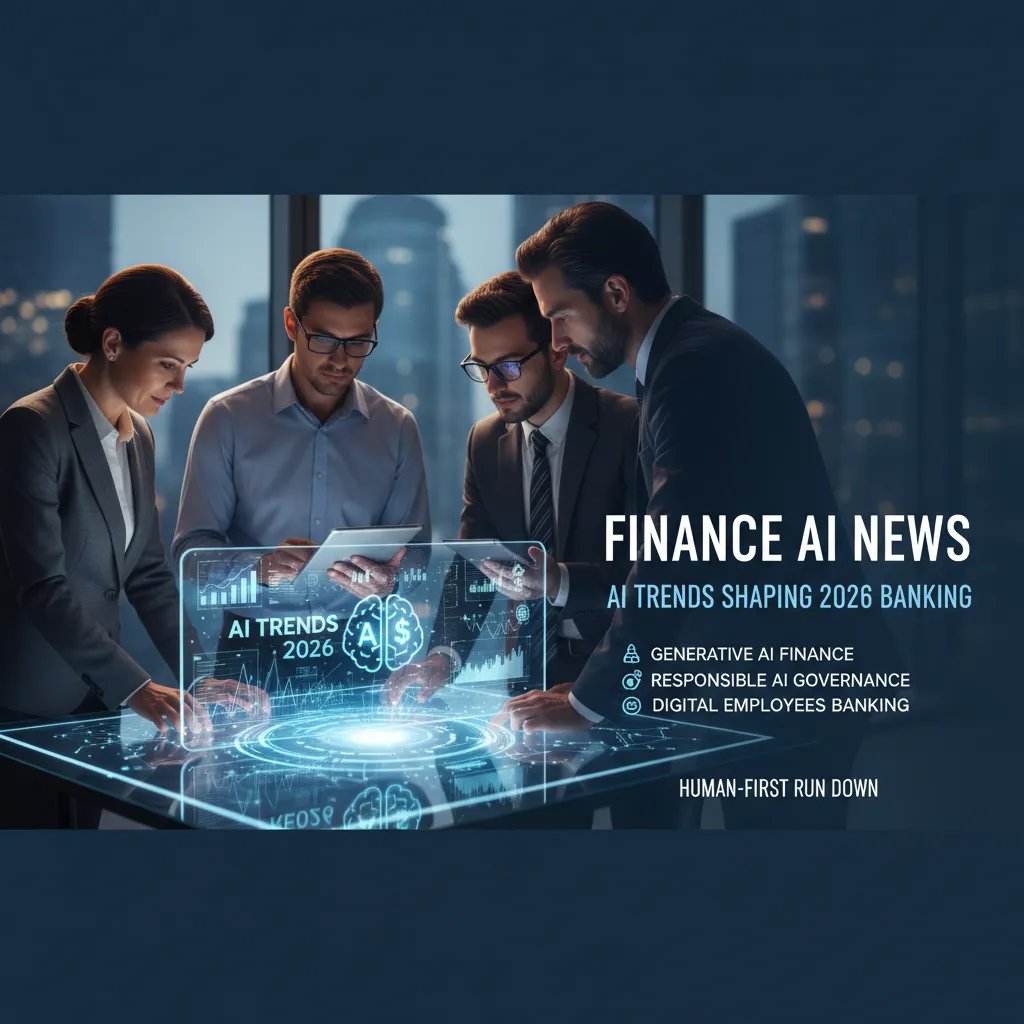
2026 trends in financial services point to GenAI embedded in workflows, digital employees doing regulated tasks, voice AI reshaping customer support, and tougher AI governance. The winners will rebuild data foundations, automate compliance responsibly, and measure risk management as carefully as ROI.
HR Tech 2026: The HR AI News I’m Tracking
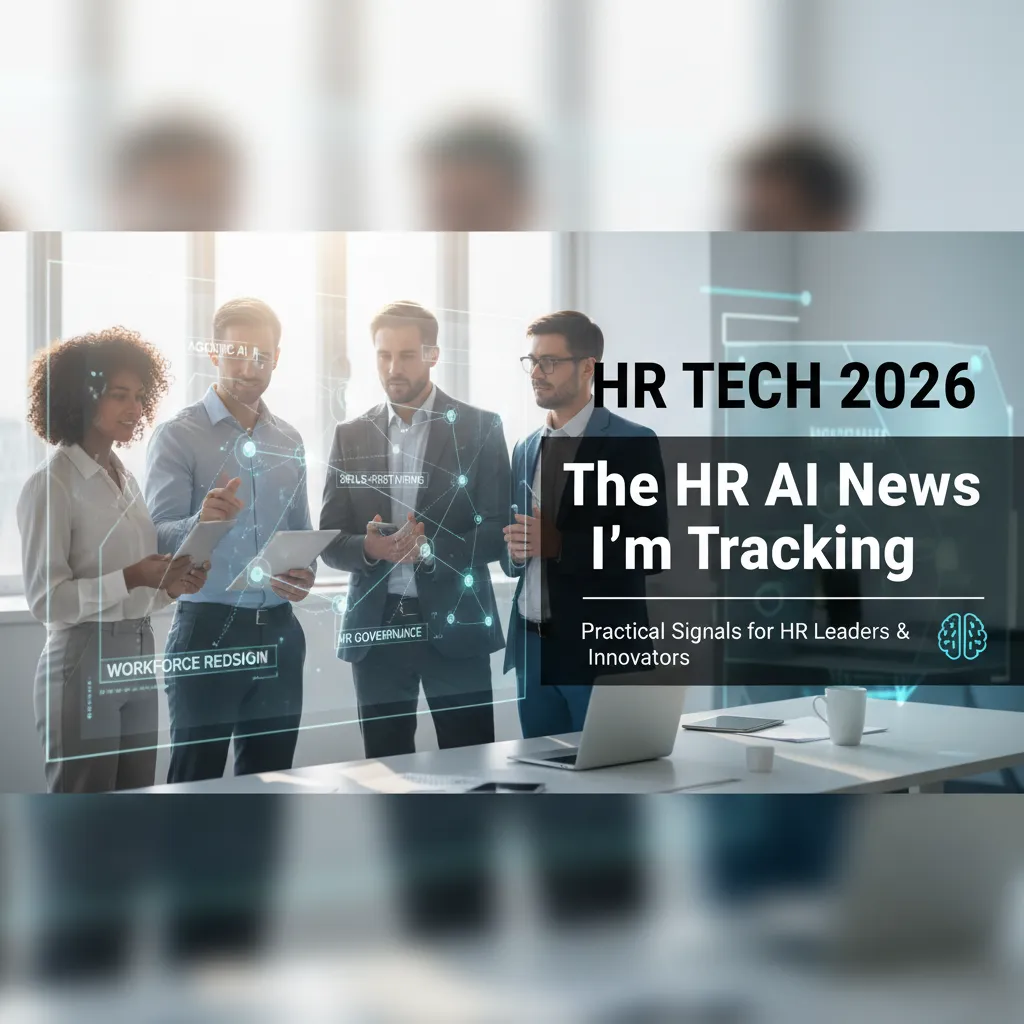
HR AI news in 2026 is less “cool features” and more “new operating models.” Expect agentic AI inside HCM systems, workforce redesign via task decomposition, skills-first hiring with AI interviewing ROI, predictive analytics becoming standard, and stronger HR governance—especially with regulations like the EU AI Act.
Sales Tools 2026: AI Sales Tools News I Track
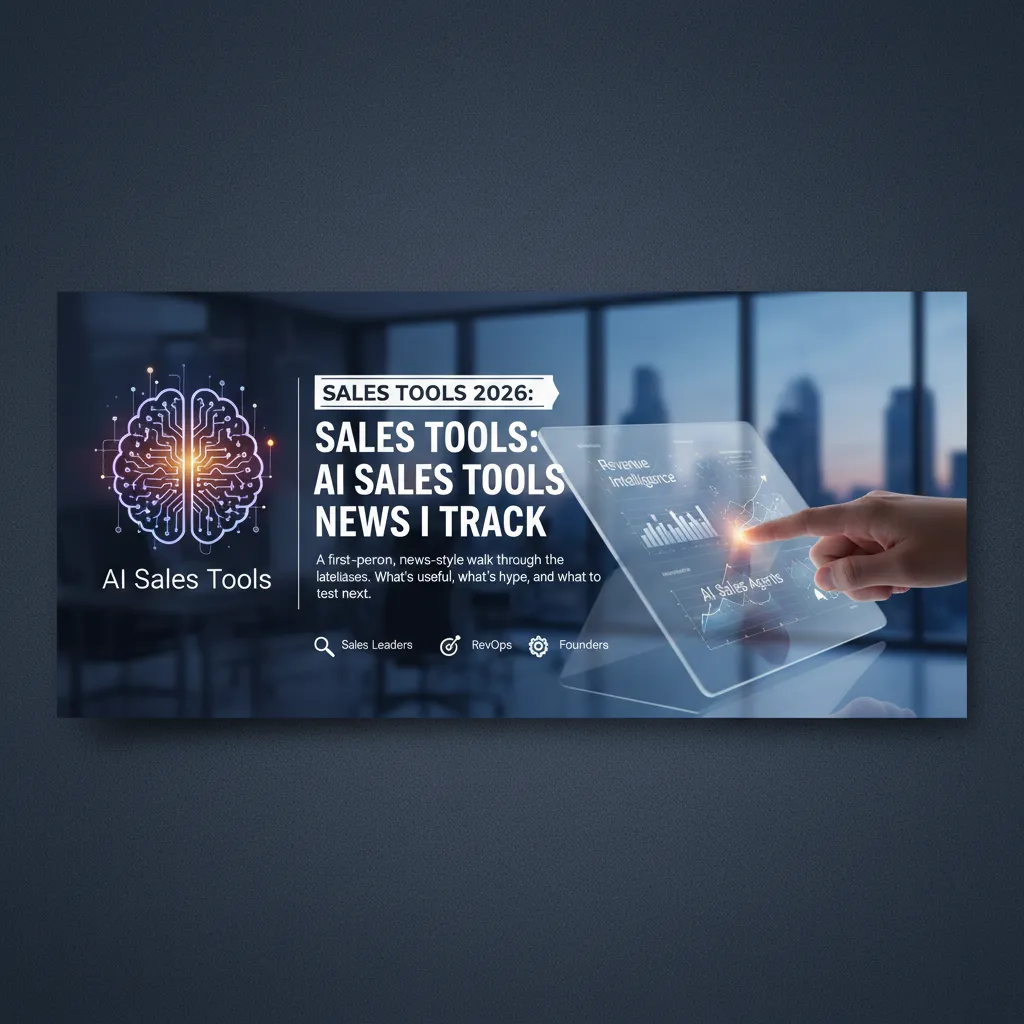
I follow Sales AI News to spot the few updates that matter: stronger revenue intelligence (Gong, Clari), better AI powered CRM (Salesforce Einstein, HubSpot), faster lead generation (Apollo.io, ZoomInfo, Cognism), and more capable AI sales agents (Thunai, Agentforce). Use ratings, pricing, and one-week tests to separate real gains from demo magic.
Operations AI News: Agentic AI, Twins & 2026 Ops
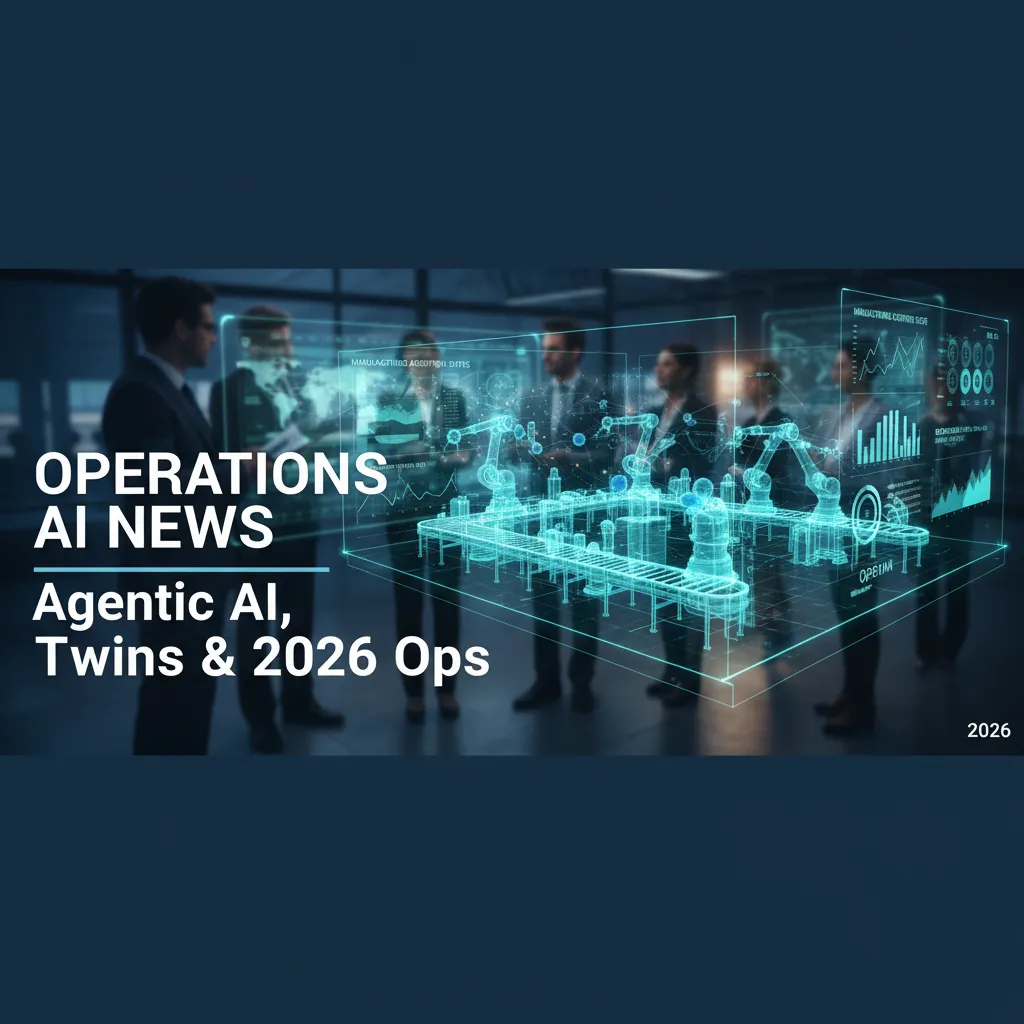
Operations AI is moving from pilots to production in 2026, led by operations teams chasing productivity gains and operational efficiency. Agentic AI and AI agents are becoming the coordination layer for complex operational workflows (especially in energy systems and manufacturing operations), while digital twins mature into everyday predictive analytics tools. With 94% of manufacturers already using AI—and measurable focus areas like predictive AI (48%), process optimization (36%), and supply chain planning (35%)—the question is less “Should we adopt?” and more “How do we deploy responsibly, measure performance gains, and keep system stability?”
Leadership Trends 2025–2026: The New Rules
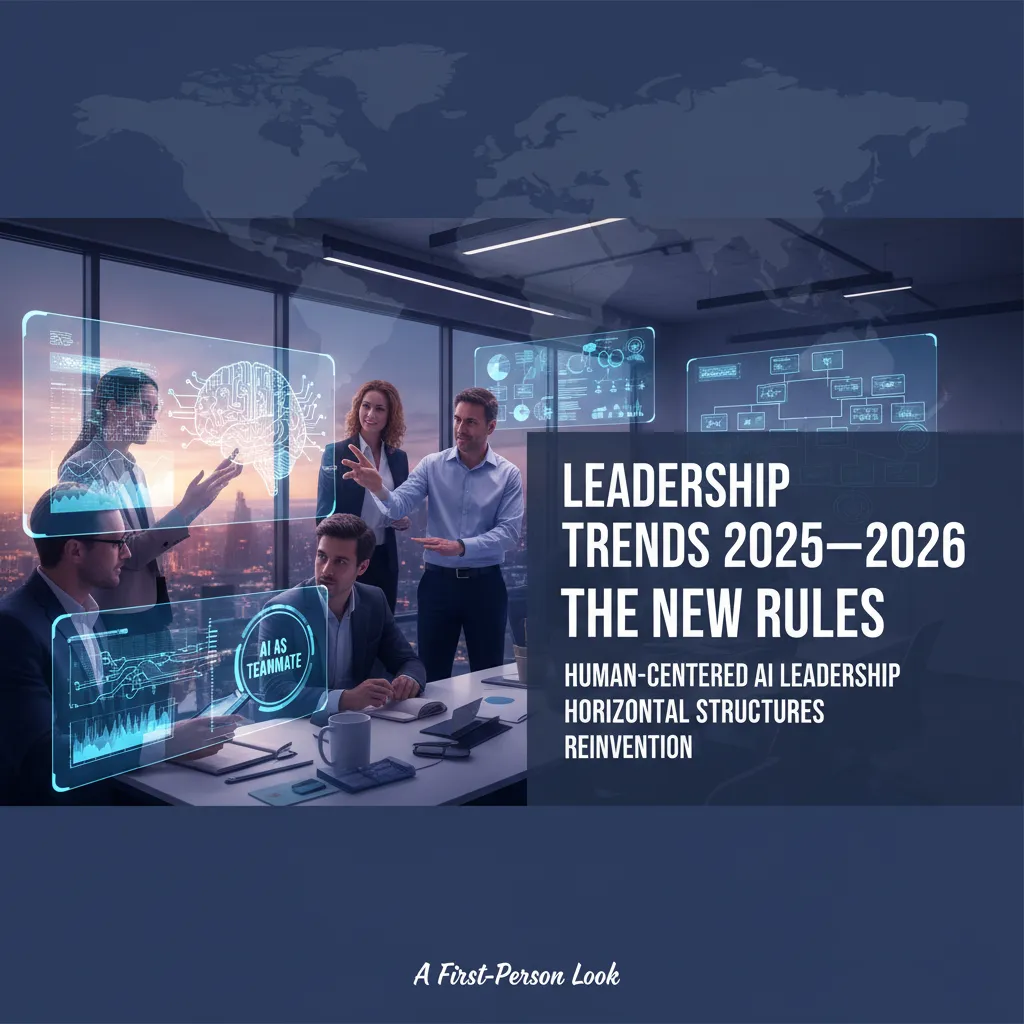
Leadership Trends 2026 aren’t about louder charisma—they’re about Human AI Leadership, the Great Flattening, and protecting leaders from burnout while building leadership pipelines that work in leaner organizations. Expect wider spans of influence, more horizontal leadership, and continuous upskilling as table stakes.
Automation Trends 2026: My 39 Tips Playbook
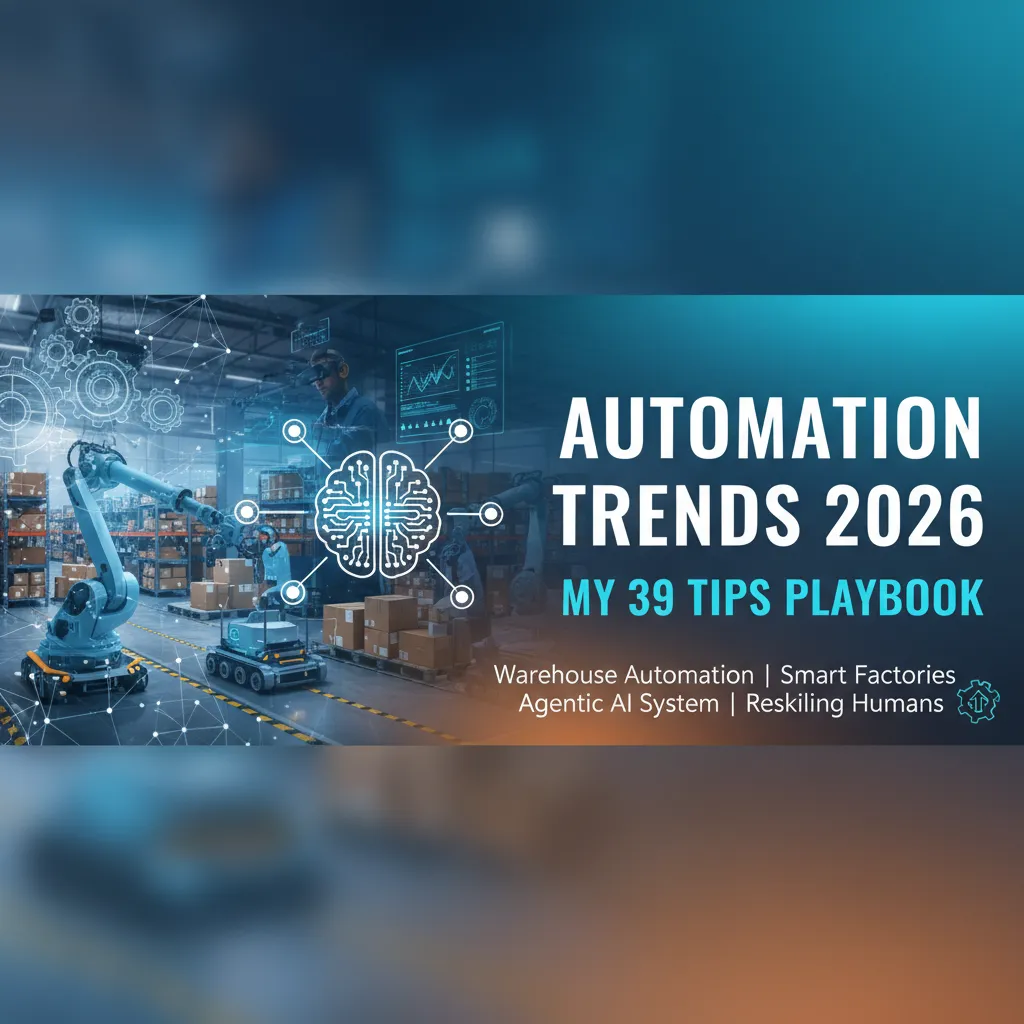
Automation in 2026 is less about flashy robots and more about repeatable systems: task specific AI, agentic AI systems, hybrid automation (AMRs + AS/RS), predictive maintenance, and reskilling workers—measured with simple KPIs.
Marketing Strategy 2026: 39 Tips I actually Use
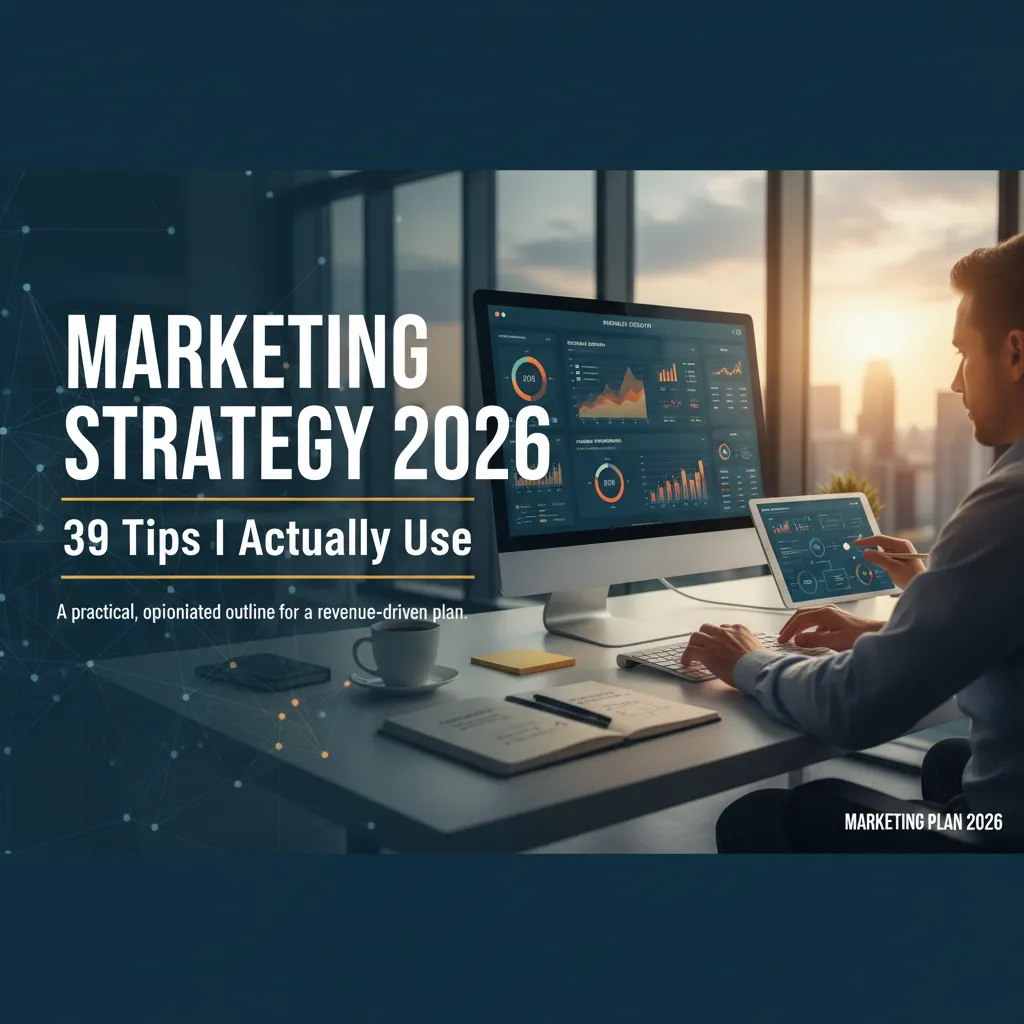
If you’re building a Marketing strategy 2026, start with market understanding strategy and target segments identification, pick integrated marketing channels that reinforce each other, personalize every customer touchpoint, use AI optimization marketing to move faster, and measure marketing strategy results with revenue-driven goals—not vanity metrics.
AI News Trends 2025–2026: Agents, Edge, Reality
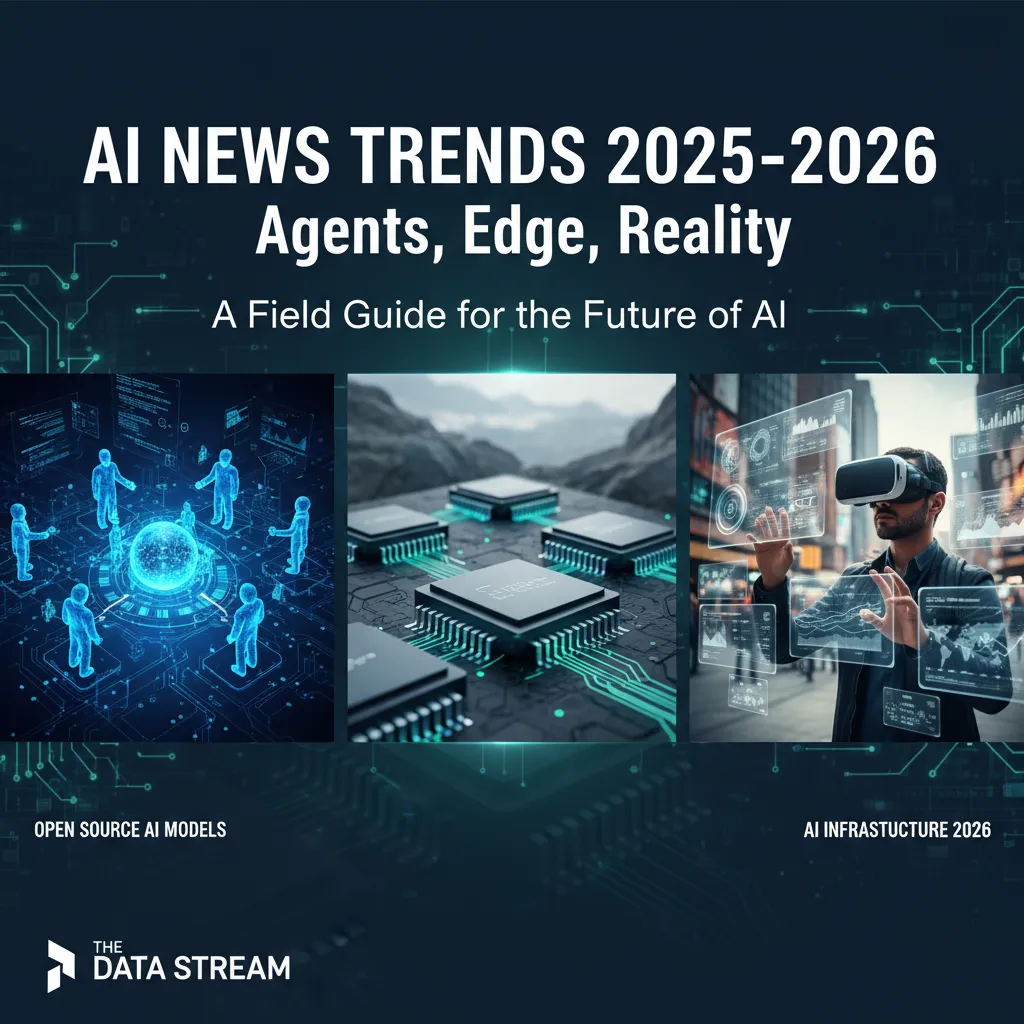
AI news in 2025–2026 shifts from bigger models to better systems: team-based AI agents, practical edge AI, open-source domain multimodal reasoning models (e.g., IBM Granite), and denser AI infrastructure (“AI factories”). Expect hype to cool, governance to harden, and physical AI/robotics to rise as LLM scaling hits diminishing returns.
Automation Trends 2025–2026: The Shift Is Real
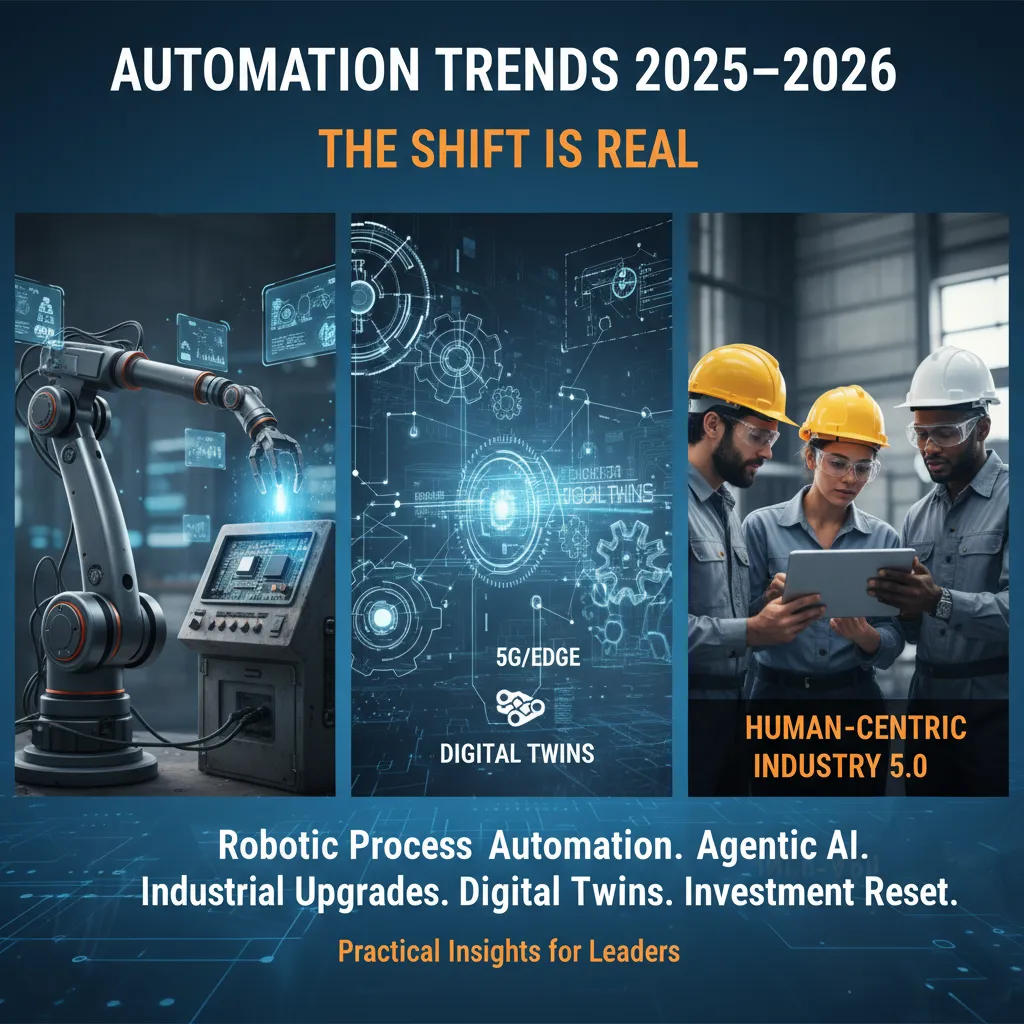
2025–2026 Automation Trends are shifting from “automate a task” to “orchestrate a system.” Expect heavier use of Robotic Process Automation + Artificial Intelligence + Machine Learning, a surge in agentic AI, more retrofit projects, and Industrial Internet + 5G Technology + edge computing enabling real-time operations. 2026 looks like the integration year: digital twins, software-defined automation, collaborative robots, stronger cybersecurity compliance, and investment pressure to prove ROI—fast.
Product Trends 2025–2026: What’s Really Changing
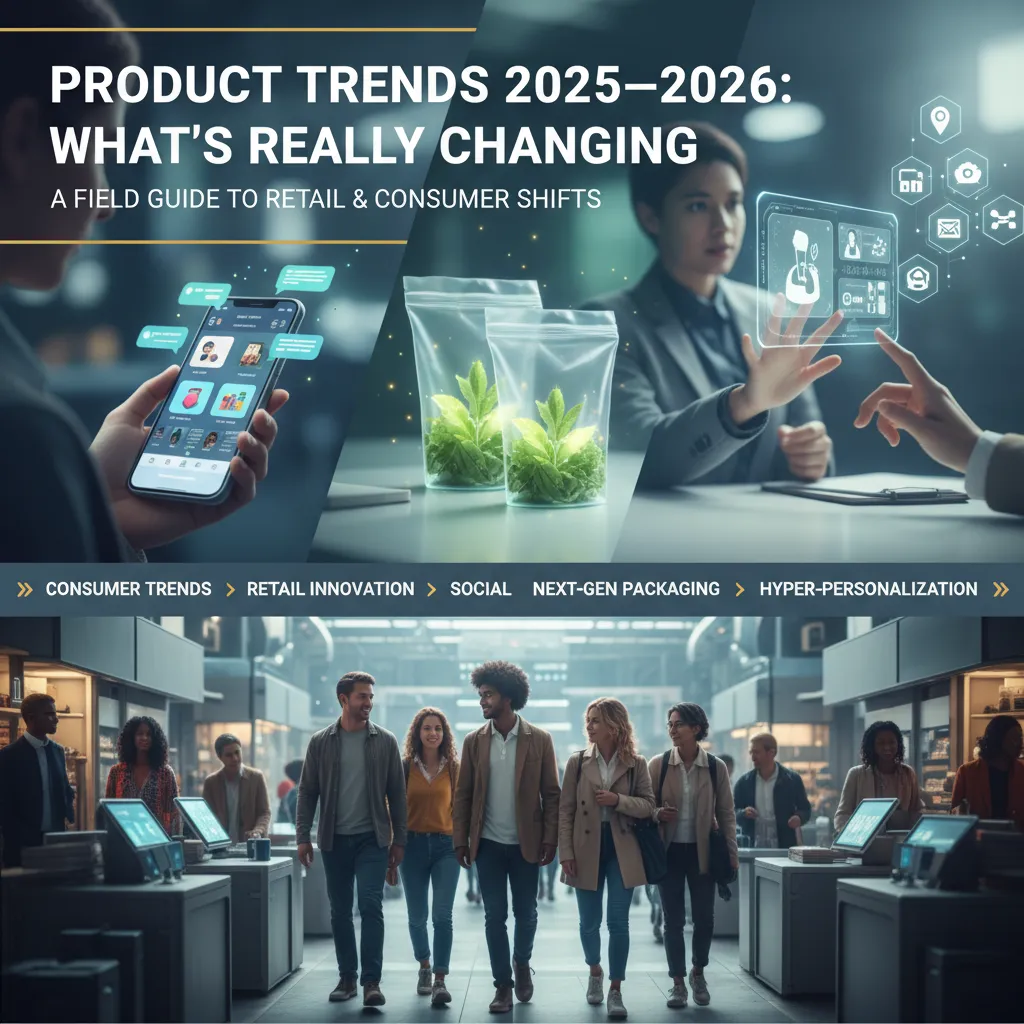
Product trends 2025–2026 are being shaped by economic pressures, collapsing brand loyalty, and shoppers who expect both affordability and meaning. Social commerce and shoppable formats expand fast (17% of online sales via social by 2026; U.S. livestream shopping ~$70B), while retailers lean into data-driven differentiation and frictionless shopping. Packaging goes “next generation” (compostable, dissolvable, even edible), and brands experiment with circular commerce and service-based products to stay relevant.