
Finance Teams’ Playbook for AI Finance Tools
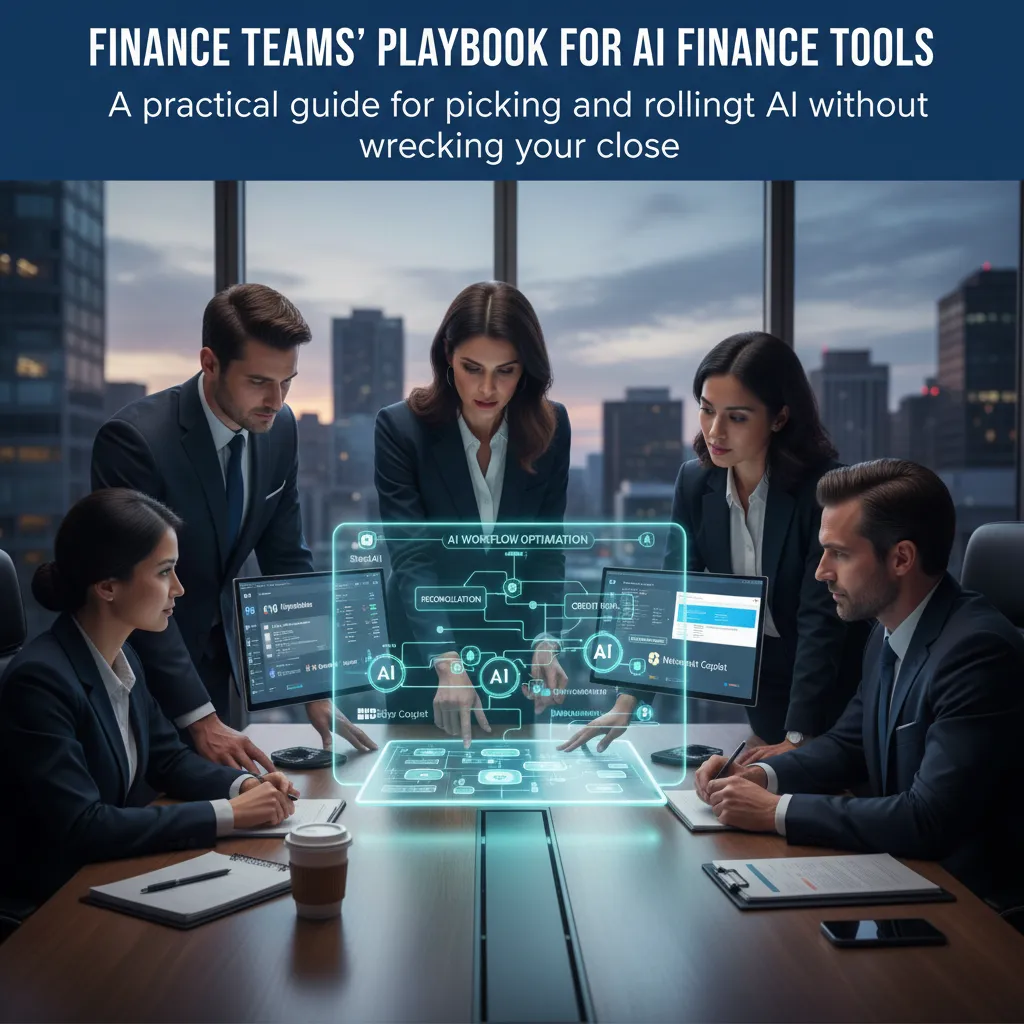
If you want AI that helps finance teams (not just demos), start with 3 workflows: real-time forecasting, AI reconciliation for the financial close, and credit risk modeling. Choose tools that are explainable, integrated (Excel/ERP/Salesforce), and auditable. Measure impact with cycle time, forecast accuracy, and error rate—then scale via no-code automation and AI agents with compliance workflows baked in.
HR AI Strategy Guide for 2026 Planning
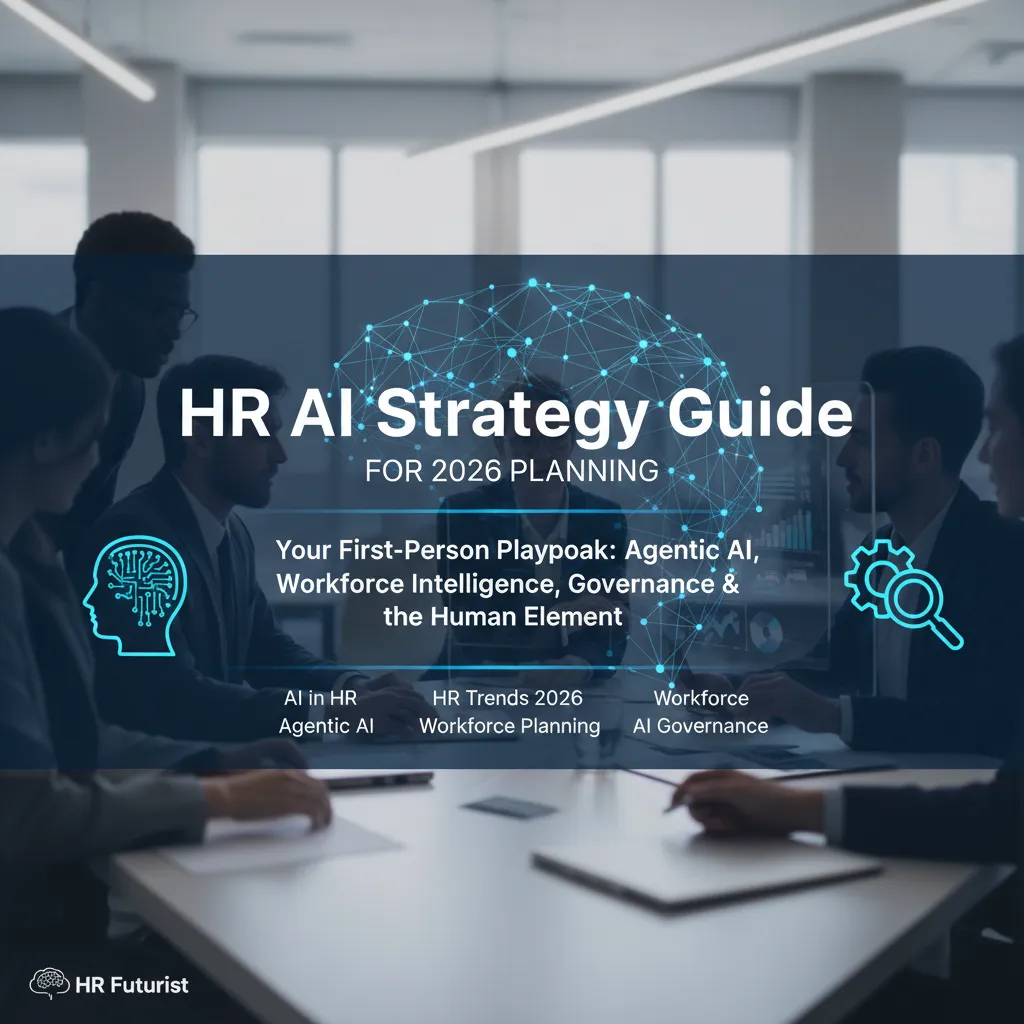
If I had to boil it down: I’d start with a skills-based approach and workforce planning, pair HR-IT collaboration with an AI architecture I can defend, pilot agentic AI in HR operations where time savings are measurable, and lock in AI governance (privacy + bias mitigation) before scaling. Then I’d use predictive analytics to prove business value—especially in benefits experience and retention improvement—because that’s where employees feel it fastest.
AI Sales Strategies 2026: A Complete Guide
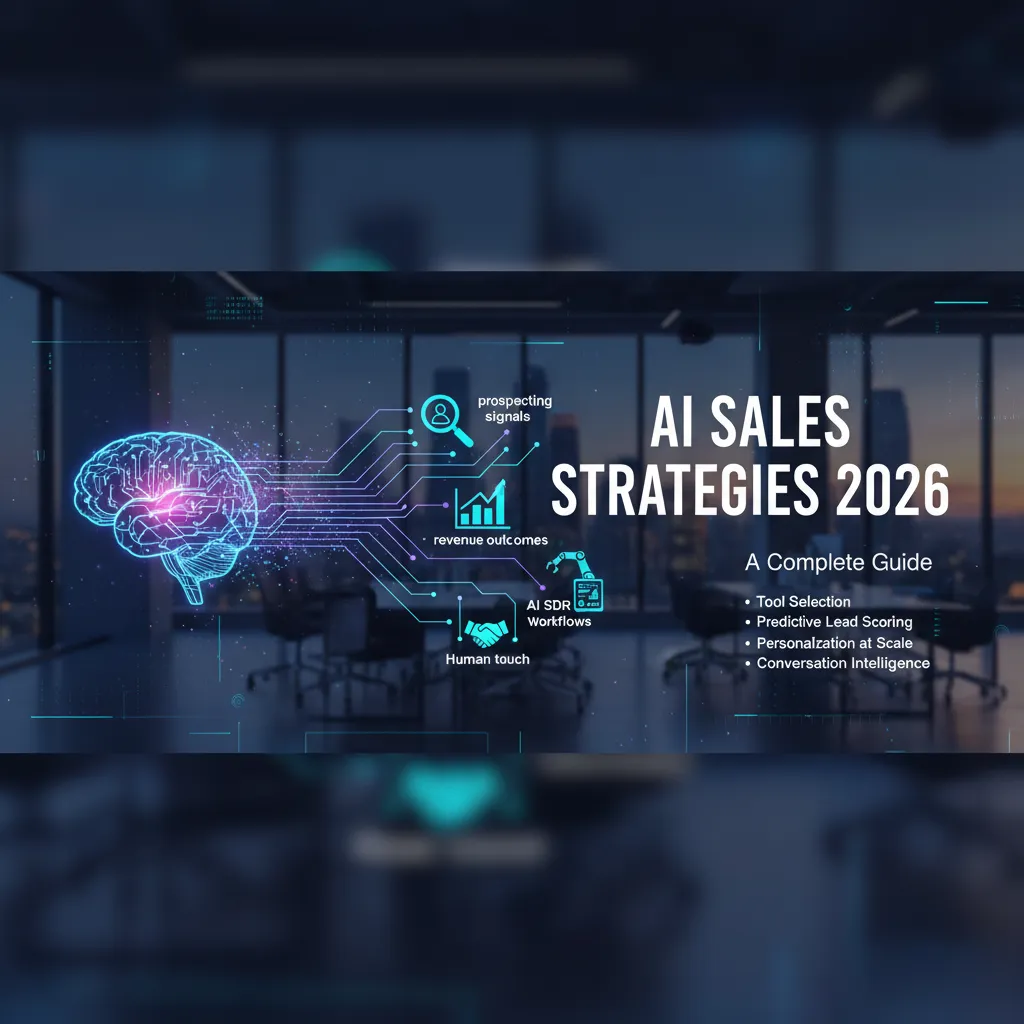
If I had to boil it down: I use AI-driven sales tools to cut research time (up to 90%), score leads with predictive analytics, personalize outreach messaging across channels, and coach with conversation intelligence—while keeping humans in charge of relationships. The teams that win in 2026 will treat AI sales integration like infrastructure, not a hack.
Operations AI Strategy: A Practical 2026 Guide
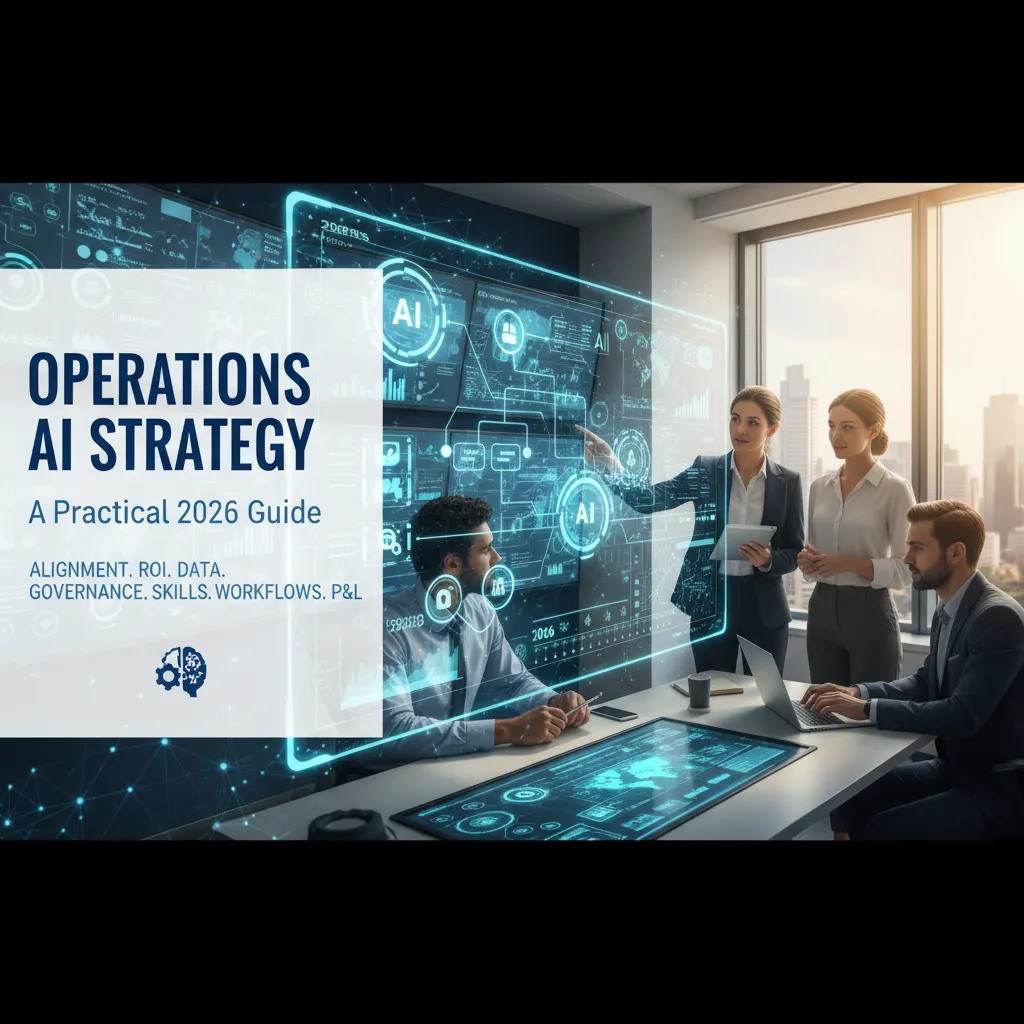
Build an Operations AI Strategy around five pillars: business alignment, ROI use cases, data/platform readiness, AI governance framework, and operating model skills + MLOps/security. Aim for a 70/20/10 portfolio, deliver 90-day quick wins, embed AI into existing tools, and run weekly/monthly/quarterly improvement cycles to scale.
State of AI Leadership: Ops Wins, Real Results
AI is moving from experiments to AI production, especially in operations. The leadership teams seeing real results pair CEO ownership with strong CDO/CAIO roles, centralized governance, and Responsible AI safeguards—then measure value like it’s an ops metric, not a moonshot.
AI Statistics & Trends 2026: Inside AI News Ops
AI didn’t “replace” AI-news work—it reorganized it. The biggest wins came from workflow orchestration, agentic AI for repeatable tasks, and lightweight governance that reduced errors without killing speed. The broader AI market surge (spending, users, investments) matters mainly because it changes audience expectations: faster updates, clearer sourcing, and fewer hallucinations.
AI Automation Examples That Actually Worked
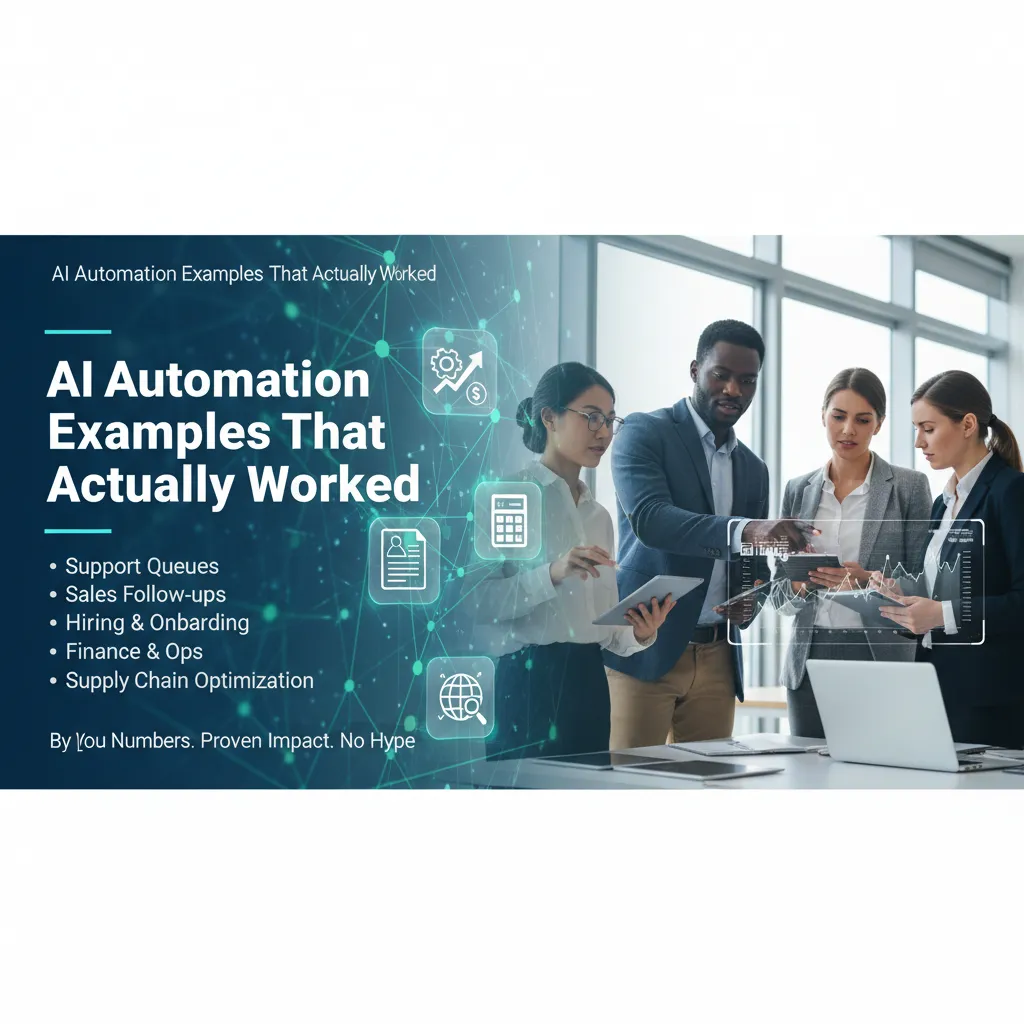
AI Automation Examples that deliver real results tend to share the same bones: a clear handoff to humans, tight feedback loops, and real-time data. Expect up to ~70% support deflection with AI chatbots, 20–35% lift from sales follow-ups, and 40–50% faster time-to-hire when HR hiring is automated—plus big wins in predictive maintenance and supply chain intelligence.
AI in Product Ops: What Changed (and Why)
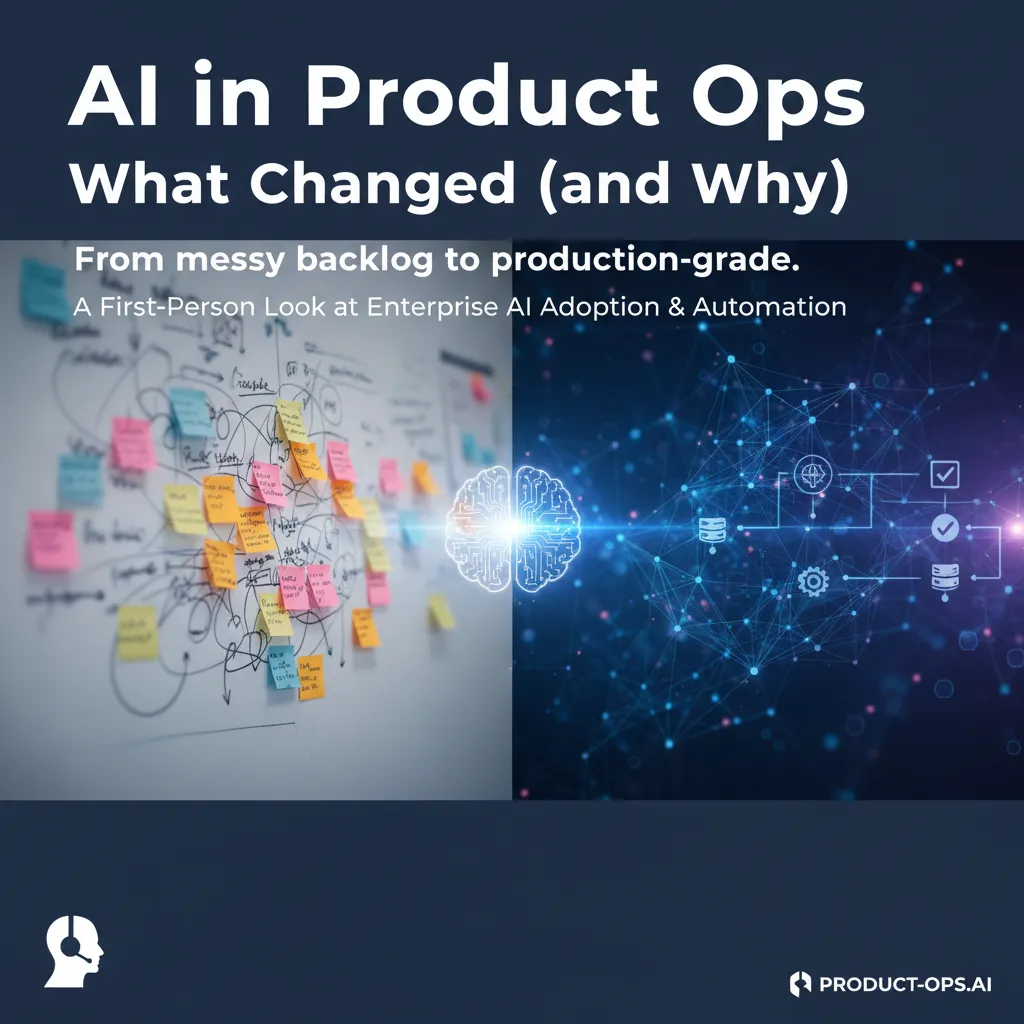
AI transformed my product operations when I treated it like a workflow partner, not a chatbot: automation for repeatable tasks, decision intelligence for trade-offs, agentic AI systems for end-to-end handoffs, and real evaluation to reach production-grade reliability.
AI Marketing Ops: Real Results, Less Chaos
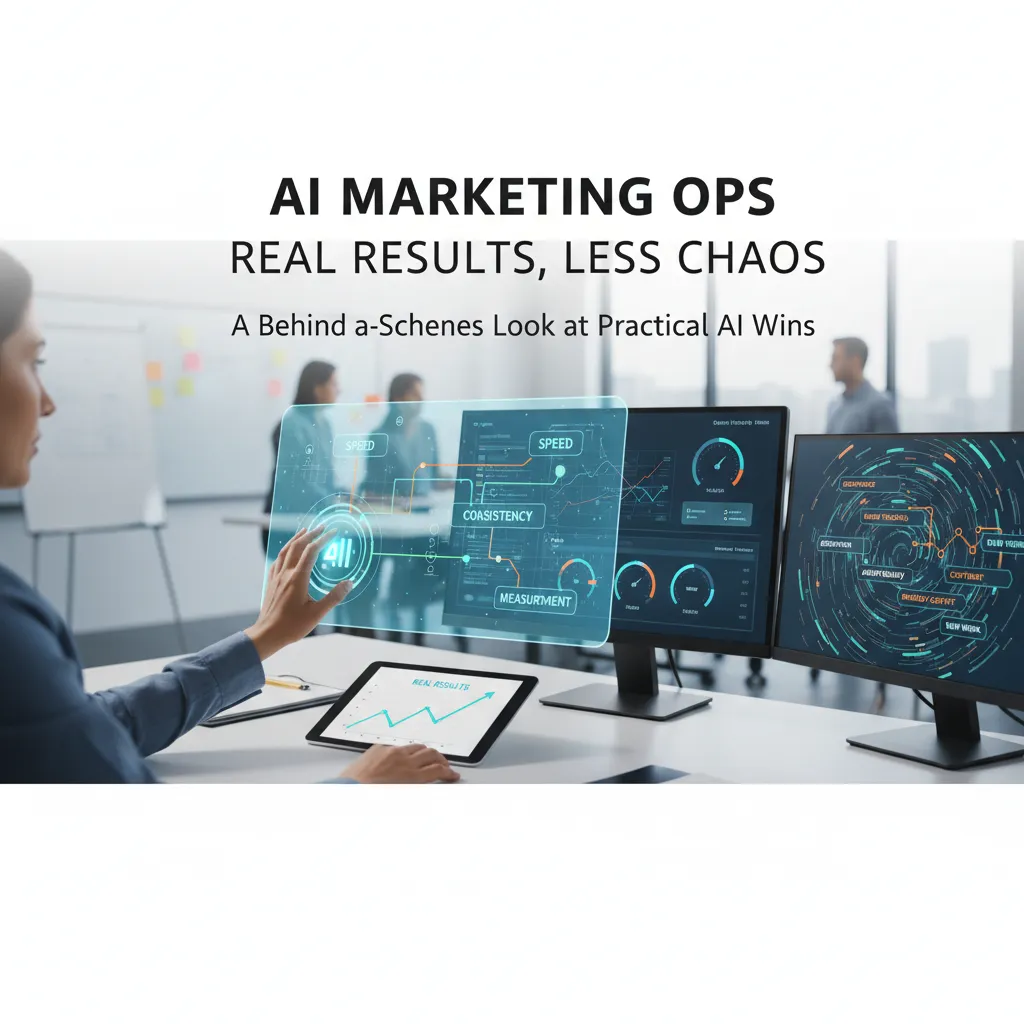
AI transformed my marketing operations when I treated it like a teammate with guardrails: invest where ROI is measurable (faster cycles, less rework, scalable content production), track brand discovery across AI summaries/overviews, and prepare for AI agents as the next gatekeepers—without losing human connections.
AI & Data Science Ops: Real Results, 2026
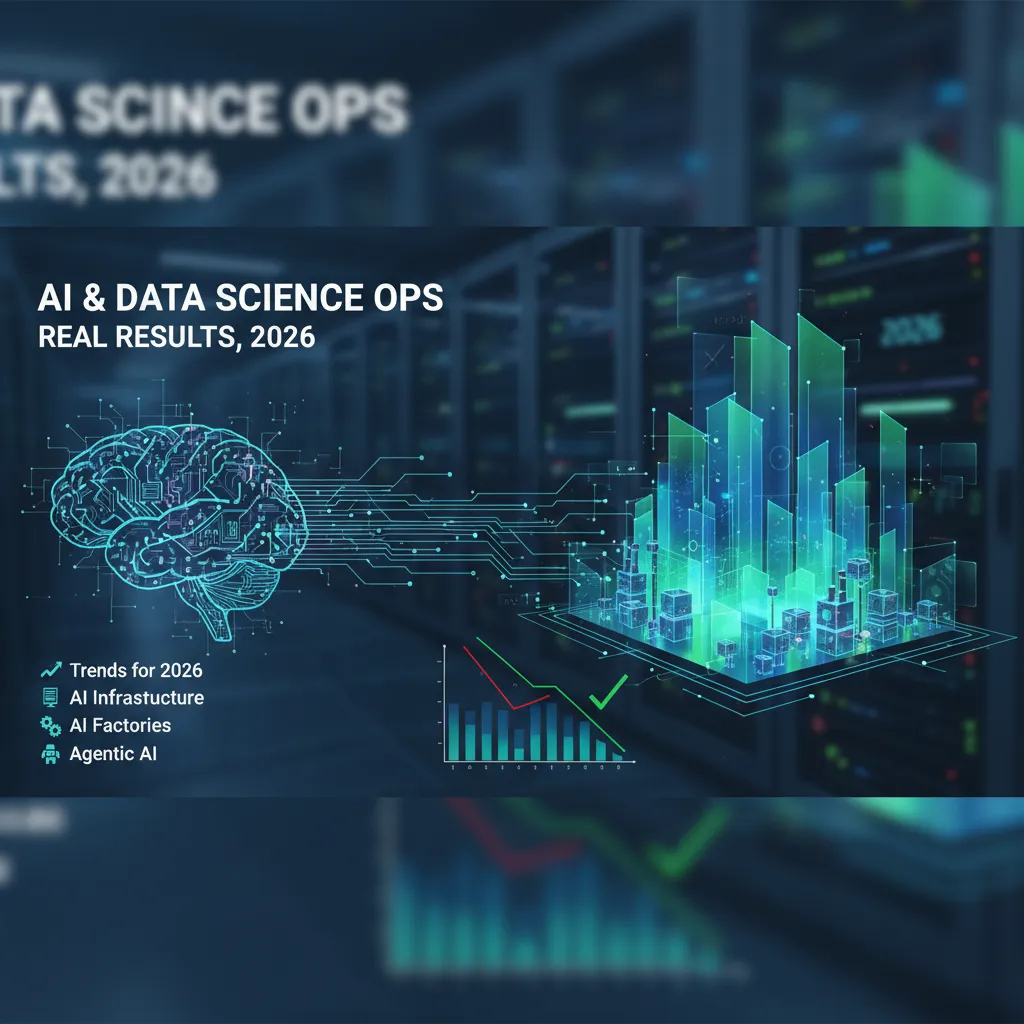
AI and data science ops improved most when we treated generative AI as an organizational resource, built ‘AI factories’ (platform + methods + data + algorithms), invested in AI-ready data, and matured leadership (hello, chief data officer). Agentic AI is real but entering the trough of disillusionment; edge AI and smaller domain optimized models will quietly win on latency, cost, and sovereignty. Open source AI is speeding up governance and capability—if you operationalize it. Plan for denser hybrid computing (even quantum assisted) as AI infrastructure evolves toward 2026.