
Retail Trends 2026: The New Sales Playbook

Sales in 2025–2026 is defined by surging AI investment (and real ROI expectations), a K-shaped consumer economy, tariff-linked price pressure, private label momentum, and a rebound in physical experience—especially when omnichannel execution is tight.
Operations Trends 2025–2026: The Messy Middle
Operations Trends 2026 rewards companies that pair AI-driven transformation with boring fundamentals: data governance, cybersecurity, supply chain resilience, and output-based management. Expect 1–2% growth, persistent uncertainty, and a widening gap between adaptive teams and everyone else.
Battle-Tested Leadership Tips: Calm, Clear, Human
Leadership isn’t vibes—it’s repeatable behaviors: make decisions with a visible process, communicate plainly, build trust in small deposits, and treat conflict like data. Use simple rituals to lead through uncertainty.
AI News Tips Pros Actually Use in 2026
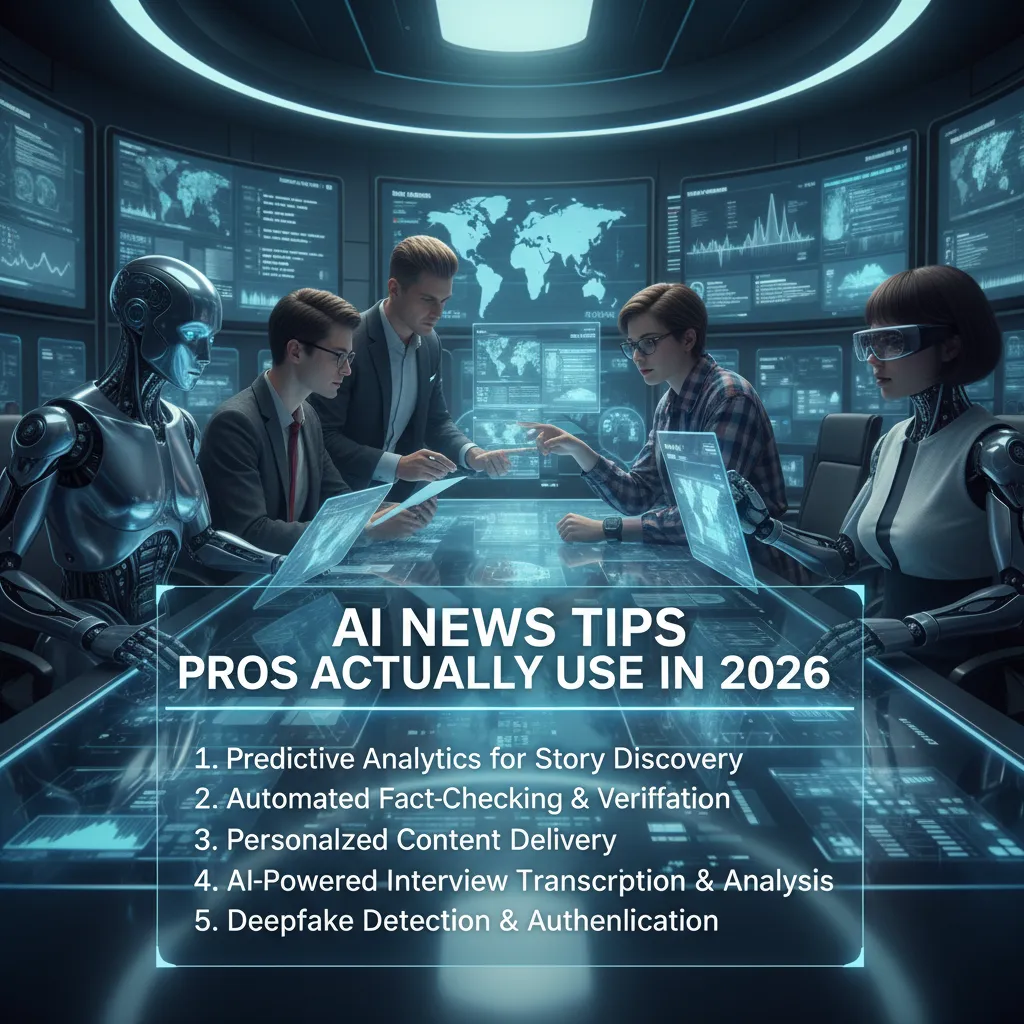
Use AI-powered media monitoring to catch signals early, AI news writing tools to draft faster, and a non-negotiable content verification checklist to stay accurate. Budget realistically for enterprise pricing solutions, and plan for 2026’s shift away from search toward YouTube, newsletters, and direct audiences.
Automation Tips for Pros: Future of Work Wins

Automate tasks, not your judgment. Map your work activities, pick a few trustworthy AI tools, close the AI skills gap with continuous learning, and redesign workflows for hybrid teams. Use data (not hype) to measure productivity gains—and keep humans in the loop.
Must-Know Marketing Tips: Tools, Tests & Truths
My must-know marketing tips: centralize your data, treat keyword research like listening (not guessing), make social media management boring-on-purpose, run A/B testing like a habit, and use CRM lead management to close the loop. The right mix of marketing analytics tools, SEO audit tools, and marketing automation helps you optimize campaigns without burning out.
Data Science Tools Pros Actually Use in 2026
If I had to keep only a few professional data science tips: master Python Core Language + Python Pandas, learn Data Manipulation patterns, use DuckDB for fast local analytics, use Apache Spark for scale and real-time processing, standardize with MLflow MLOps for deployment, and treat Data Reliability + observability as non-negotiable—especially when adding Generative AI and Agentic AI into production.
Money Moves 2026: 15 Finance Tips for Pros

Audit your cash flow, pay yourself first (automate it), build an emergency fund, kill high-interest credit card debt with a clear method, capture the employer match, use the 50/30/20 rule, check your credit report, and build a flexible tax strategy for retirement—then repeat quarterly.
2026 HR Checklist: 15 Tips I Wish I’d Known

My 2026 HR checklist: use 2025 data to set priorities, assess wellbeing, modernize total rewards, implement AI governance, close skills gaps, stay ahead of employment law changes, and build a culture that holds under pressure.
Best Sales Techniques: 15 Tips I Actually Use

Prospect consistently, qualify ruthlessly (BANT/CHAMP), listen like it’s your job (it is), sell outcomes not features, use social proof, measure weekly activity, and close with clear next steps and options.