
AI in Finance 2026: Real Results, Less Chaos

AI in Finance is moving from pilots to operational muscle: agentic AI can cut manual workload 30%–50%, speed PO cycles up to 80%, halve AML case time, and boost credit-risk memo productivity 20%–60%—but only if data infrastructure and AI governance show up early.
AI-Driven HR Ops: Real Results, Messy Lessons
AI in HR is already delivering measurable wins (70% lower admin task load, 30–40% hiring cost savings, better satisfaction), but the real unlock comes from pairing agentic AI with HR analytics, clear governance, and honest communication about headcount shifts.
AI Sales Tools in Sales Ops 2026: Real Results

AI sales tools can materially improve sales efficiency and sales performance: better lead scoring, higher conversion rates, stronger sales forecasting and forecast accuracy, and faster cycles via conversation intelligence. The catch is boring but real: data quality, training, and incremental rollout matter more than the fanciest demo. By 2026, agentic AI and AI agents are expected to be embedded in RevOps, making hybrid human-AI selling a competitive advantage.
AI Operations Priority: Real Results, Real Shifts
Operations is shaping the next wave of AI adoption in 2026: fewer pilots, more execution discipline. Manufacturing is already deep in predictive AI (48%), supply chain planning (35%), and process optimization (36%), with 94% using some AI. Cloud ERP is a practical enabler (49% simplify IT, 49% cut costs, 48% improve agility). The winners will pair AI workflows with leadership shift, team preparedness, and clear performance metrics—while planning for big AI infrastructure spending ($527B) and the rise of physical AI (58% today, 80% soon).
AI Leadership Tools: A Real-World 2026 Compare
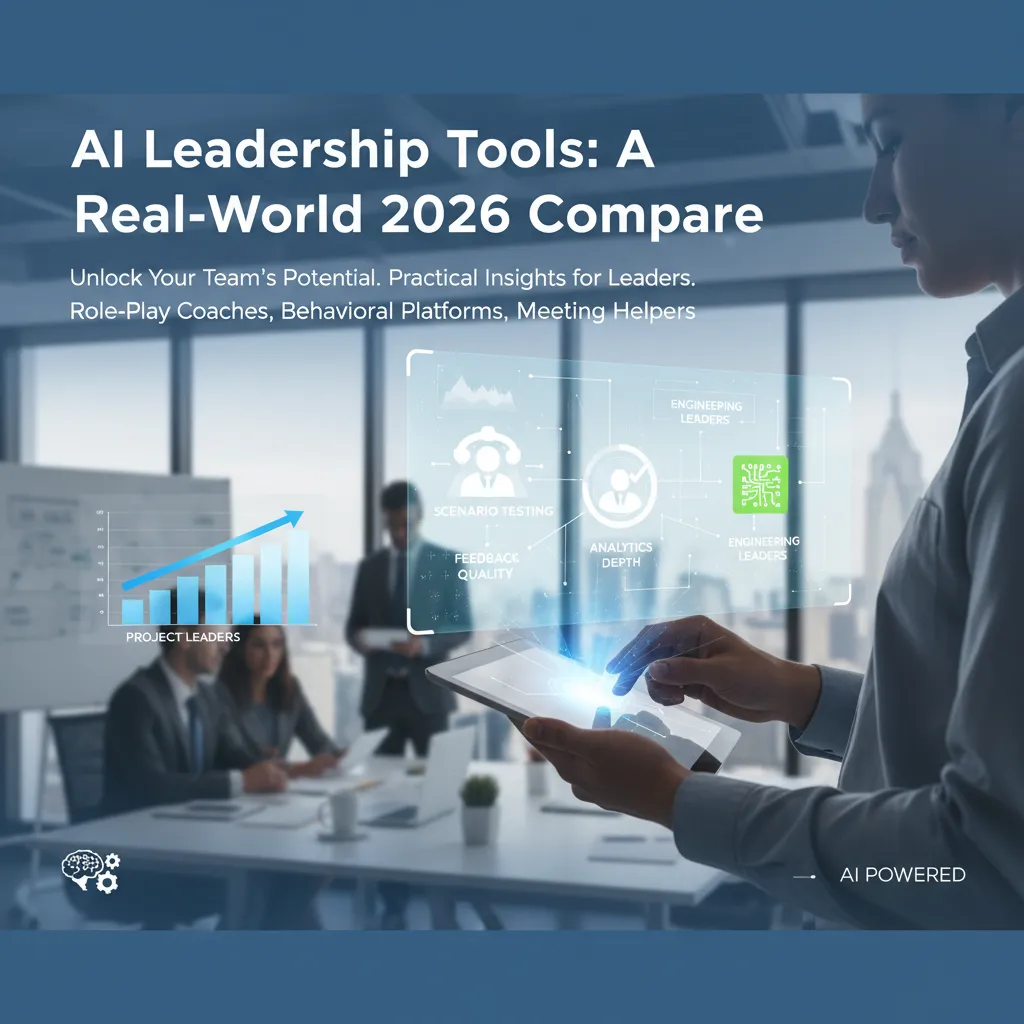
I compare AI leadership tools by use case (practice, feedback, analytics, and meeting support), highlight standout platforms (Careertrainer.ai, Retorio, Tenor, Monark, VirtualSpeech, Oliva Health, Second Nature), and map which tools fit project leaders vs engineering leaders. Pricing spans free to $2,398/user/month; prioritize GDPR compliant options, integration capabilities, and customizable learning paths.
Top AI Tools 2026: News Tools Compared

If you want one stack: use ChatGPT (deep reasoning + multimodal), Perplexity (verification-first, real-time research), Gemini for massive long-context analysis, NotebookLM for document interaction and audio summaries, HeyGen for professional video content, Imagen 3 for image generation models, and Fireflies for transcription and meeting notes. Pick based on your bottleneck (research, writing, meetings, video) and avoid paying for three tools that do the same thing.
AI Automation Tools 2026: A Human Comparison
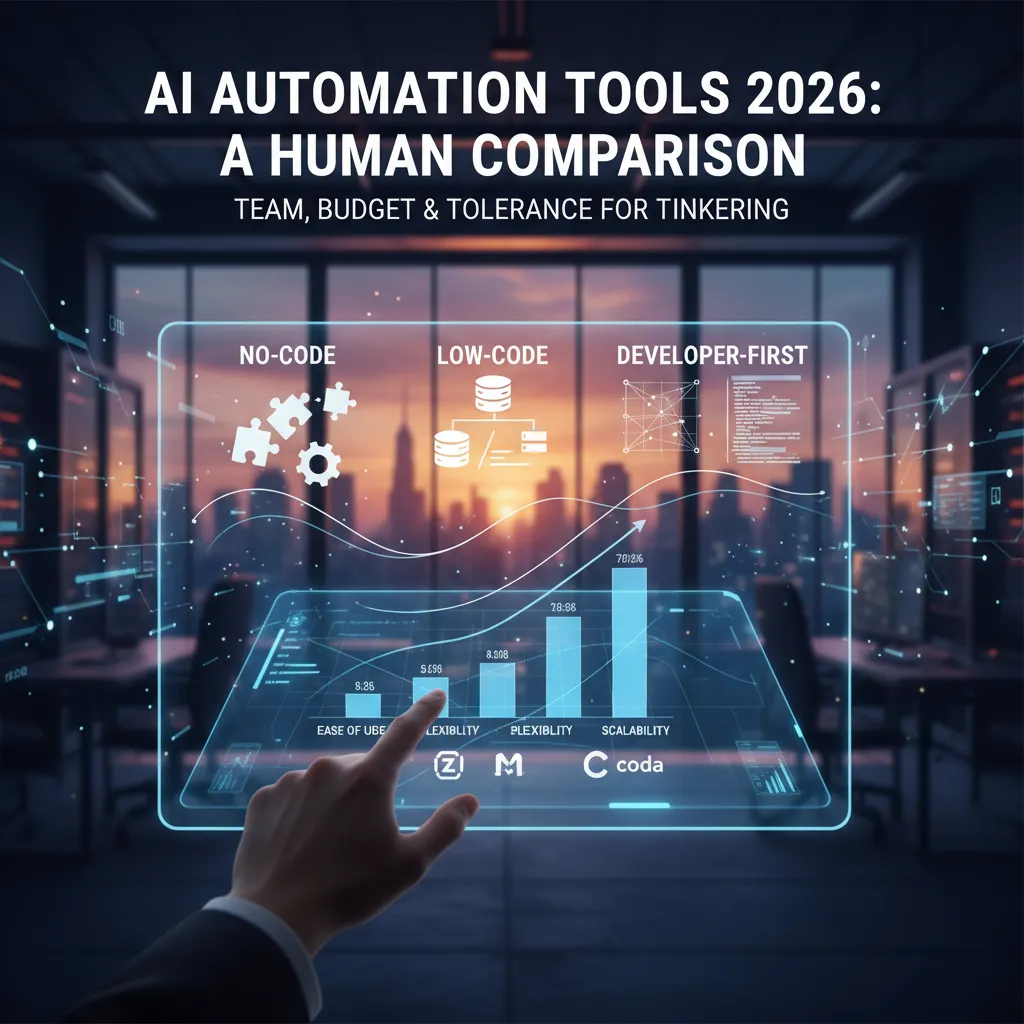
If you want the easiest on-ramp, Zapier’s 8,000+ integrations still make it the best beginner-friendly automation platform. For visual scenario building and data wrangling, Make’s Core plan ($9/month) is hard to beat. For deep customization and self-hosting, n8n is the most flexible. For AI-first, production-grade automations, Vellum AI shines with evaluations, traces, and versioning. Devs who live in APIs often prefer Pipedream; enterprises typically need governance/RBAC like Workato. If you already pay for ChatGPT Plus ($20/month), the Agent Builder can be a surprisingly good “good enough” start.
My Slightly Unhinged Tour of Best AI Tools

If you want one tool: start with ChatGPT as an all-in-one multimodal AI assistant. If you live in Docs/Sheets: Google Gemini. If you want citations fast: Perplexity search. If you want sharp logic: Grok AI reasoning. For real leverage: pair an assistant with Zapier automation (or Gumloop AI automations) and a knowledge hub like Notion AI—then ruthlessly prune anything that doesn’t save you measurable time per week.
AI Marketing Tools Compared for 2026 Wins

If I had to choose: ChatGPT for content creation and ideation, Semrush AI + ContentShake for keyword research and SEO optimization, Ahrefs AI for backlink analysis and brand monitoring, HubSpot AI for CRM-led customer engagement, Zapier workflows for glue, and ManyMoney AI for e-commerce customer journeys and campaign optimization. Pick by workflow, not hype.
AI Finance Tools Compared: My 2026 Shortlist
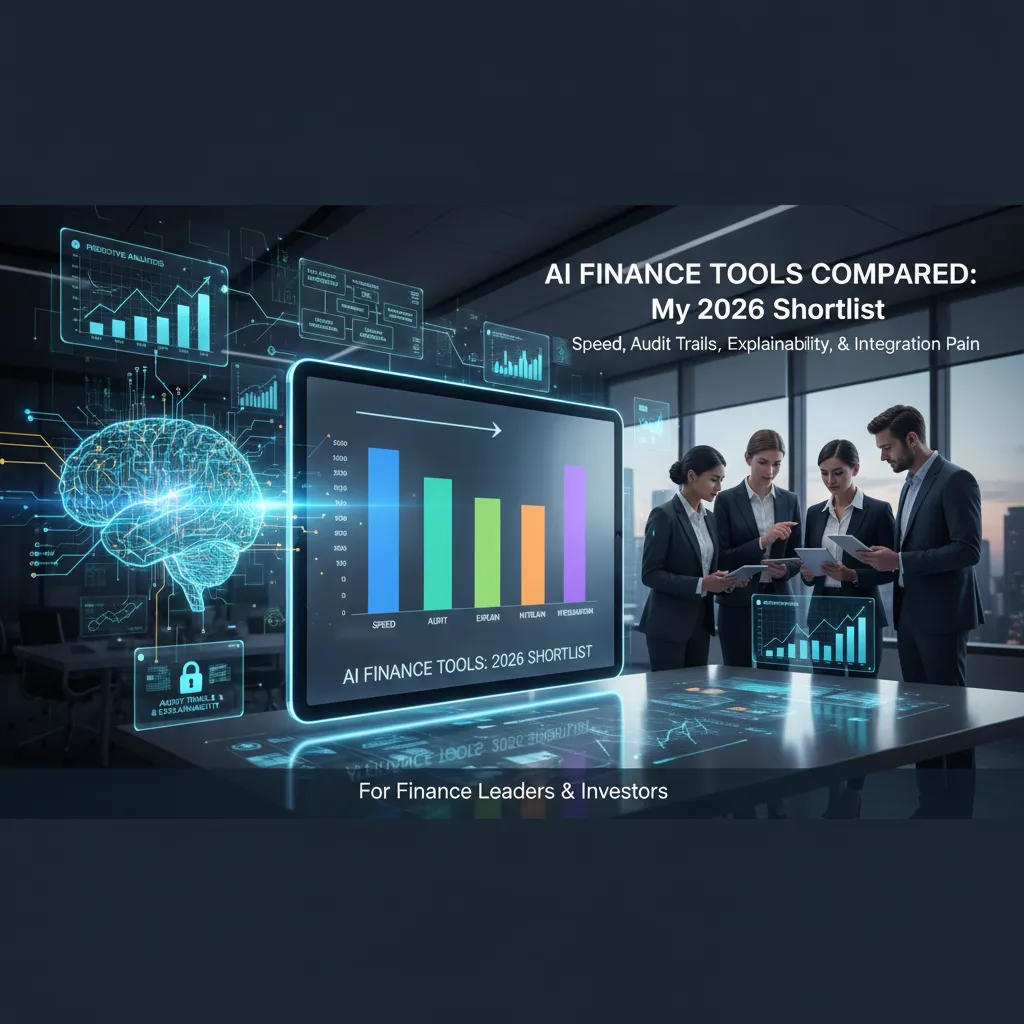
If you need workflow and auditability, start with StackAI. For order-to-cash and treasury, HighRadius stands out. For predictive analytics in a low-code vibe, DataRobot is a workhorse. For credit risk automation, Zest AI and Upstart are the names to know. For financial crime detection and compliance tools, SymphonyAI is built for the job. For AI investing platforms, Kavout, Trade Ideas, and Magnifi cover ranking, scanning, and conversational analysis. For FP&A tools 2026, Planful (plus enterprise CPM leaders like Anaplan and Prophix One) brings explainable AI into forecasting—when your data house is in order.