
Real-Time Dashboards with AI-Powered Analytics

Real-time dashboards become genuinely useful when you combine streaming data architecture with cloud data platforms, semantic data models, and generative AI analytics. Aim for low-latency pipelines (often edge AI processing), build trust through governance and explainability, and ship dashboards as “command centers” with proactive alerts—not just charts. Use natural language querying for adoption, but keep guardrails, monitoring, and cost controls in place.
AI Risk Management Tools & Best Practices

AI Risk Management works best when tools (governance, compliance, security, forecasting) are wired into DevSecOps pipelines, mapped to EU AI Act and NIST AI RMF, and backed by continuous monitoring, red teaming, and drift detection. Choose platforms that produce audit artefacts, quantify impact, and keep humans in the loop.
Culture Amp vs Lattice vs 15Five: AI PM

If you’re optimizing for culture and engagement analytics, Culture Amp is hard to beat. If you need a broad, enterprise-leaning suite with tight goal alignment and realtime feedback, Lattice shines (but can feel heavy). If you want weekly check-ins, fast adoption, and AI-assisted 360 reviews for managers, 15Five is the simplest path—especially for SMB and remote/hybrid teams.
Mid-Year AI Review: 2025 Business Trends

By mid-2025, businesses are moving from AI experiments to scaled enterprise AI: reasoning-focused large language models, agentic AI workflows, and predictive analytics are driving ROI—while cloud migrations, custom silicon, and AI governance determine who can sustain it.
AI Proposal Automation That Actually Wins Deals

Use an AI proposal maker to draft fast, then earn trust with human details: pull CRM facts, choose the right proposal templates, add ROI calculators, and watch real-time analytics to time follow-ups. Automation wins speed; personalization wins deals.
AI ERP Showdown: SAP, Oracle & Dynamics
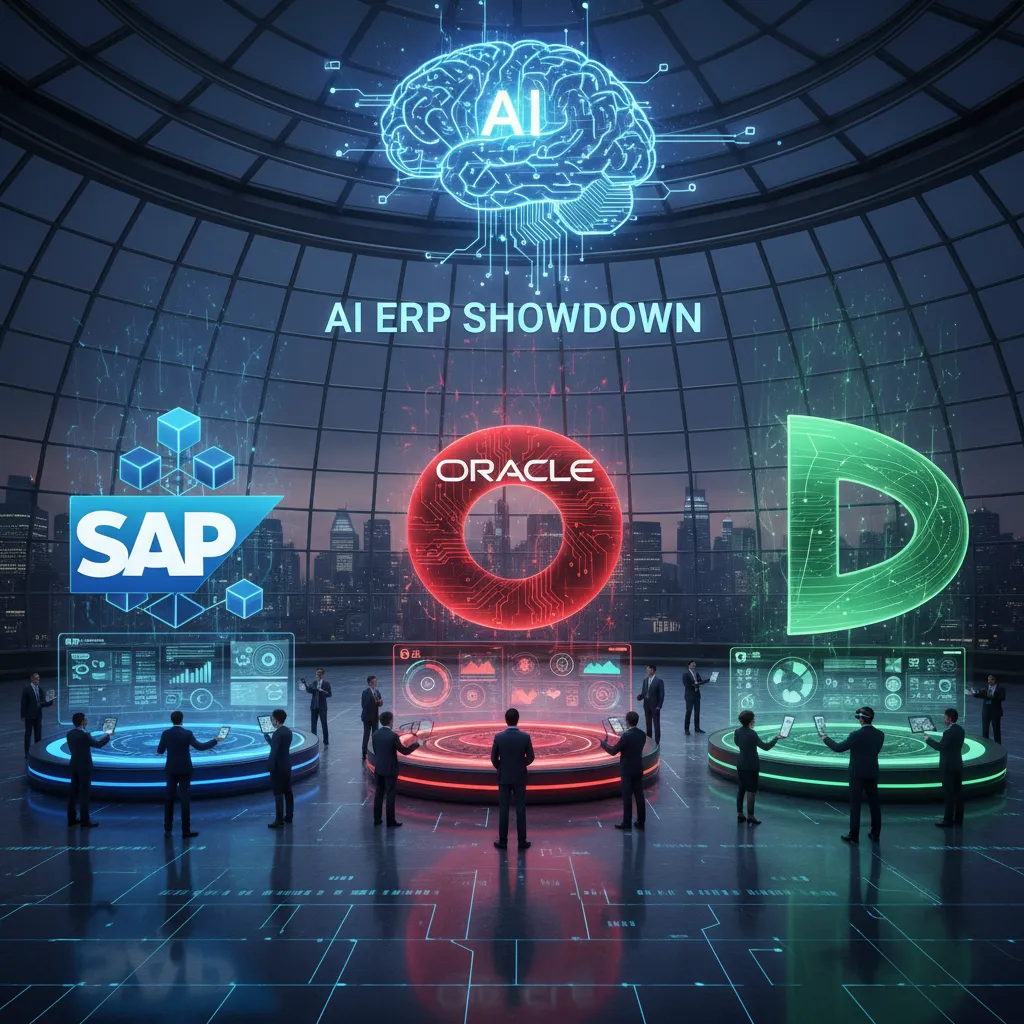
If you want deep global complexity and industry specialization, SAP S/4HANA is the heavyweight (with SAP Leonardo for embedded AI). If you want cloud-native automation with strong financial management, Oracle Cloud ERP is hard to beat (Oracle AI Cloud). If you want the most user-friendly interface, faster implementation (often 3–6 months), and tight Microsoft ecosystem fit, Microsoft Dynamics 365 stands out (Copilot, Power Automate RPA, Azure integration).
30 AI Tasks to Automate This Week (No Regrets)
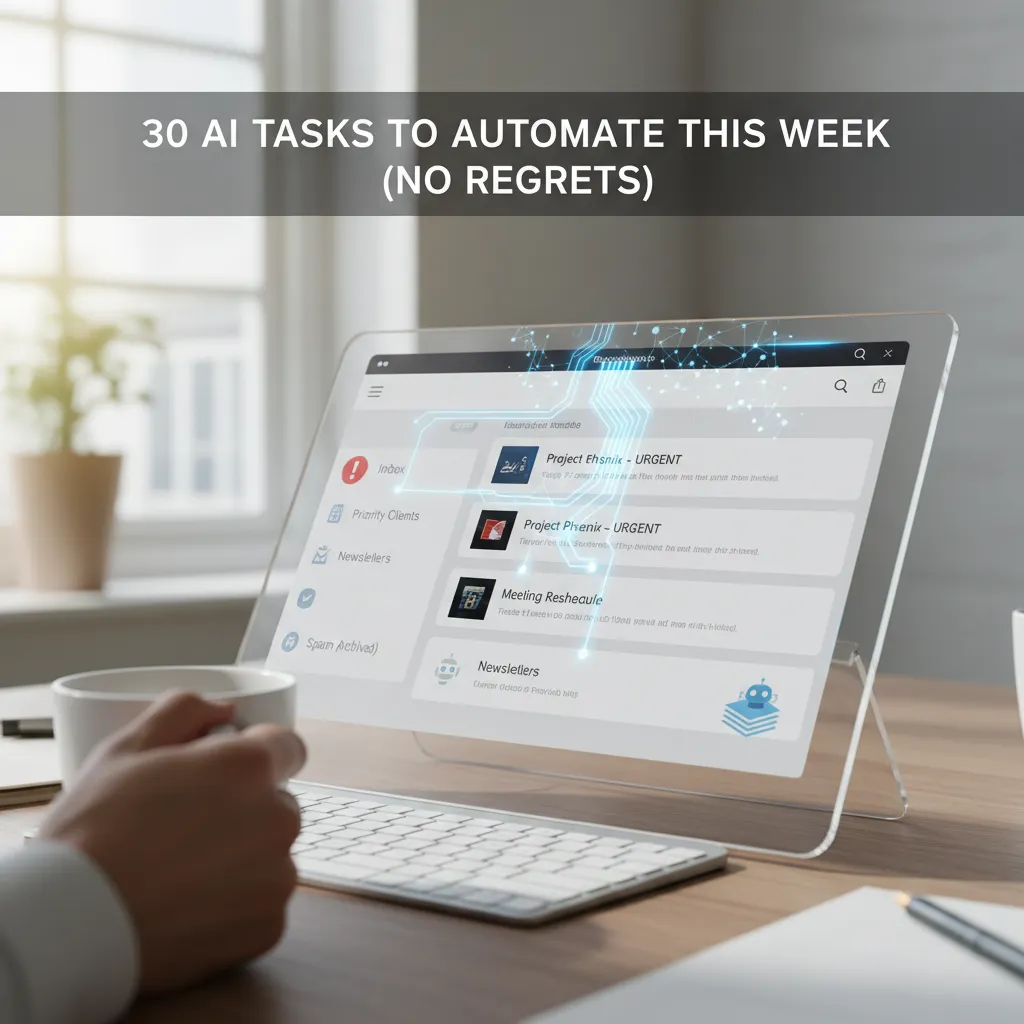
Automate 30 repeatable tasks across communication, meetings, admin, finance, support, and ops. Use task-specific AI agents where stakes are low, add guardrails for high-risk work, and measure ROI in time saved, cost-per-contact, and cycle-time reduction. The adoption curve is steep through 2026—start with small workflows now so you’re ready for agentic scale.
AI-Powered User Research at Scale (2026)

AI can scale user research by automating transcription, recruiting, and pattern recognition across large datasets—while humans stay accountable for context, ethics, and decisions. Pick platforms for workflow fit (Figma/Jira/Slack), validate AI insights with spot checks, and use emotion/sentiment signals as hints—not verdicts.
AI Leads Sprint: 10,000 in 90 Days
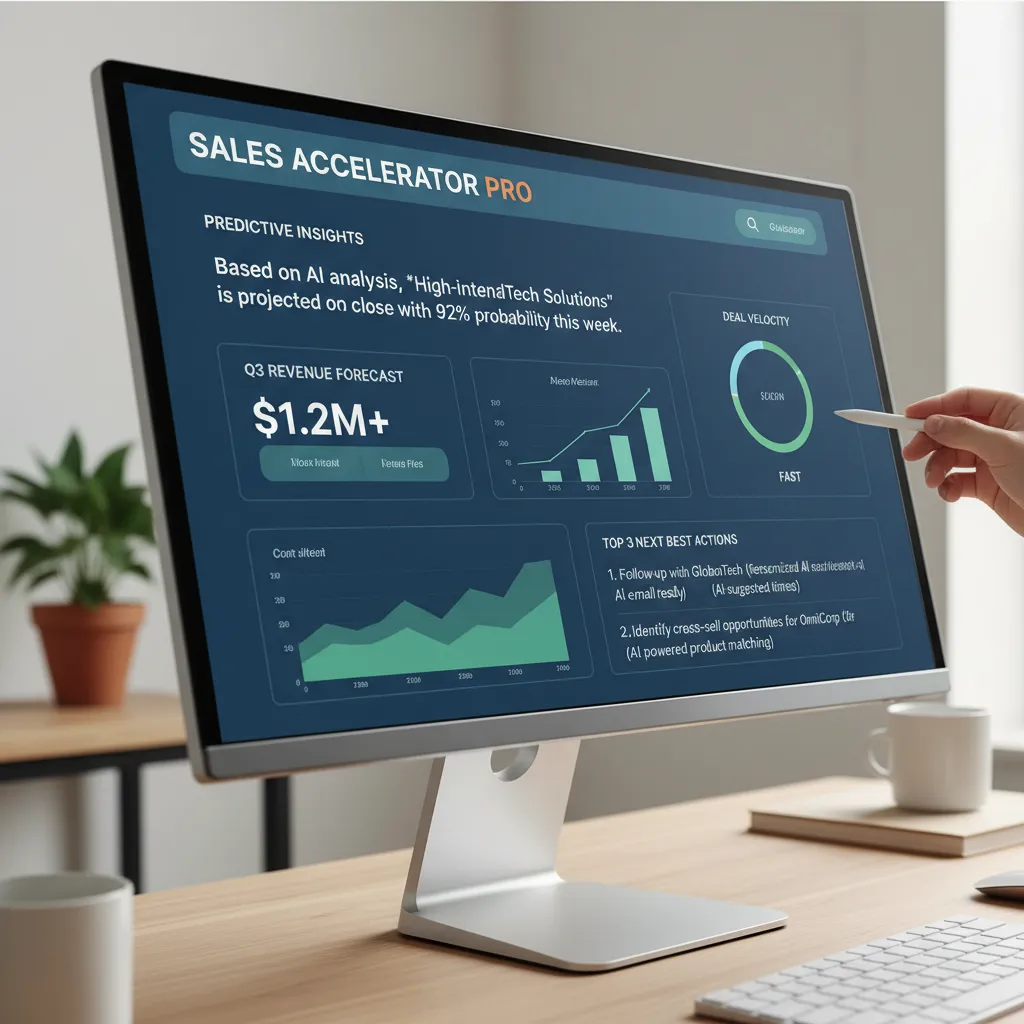
In 90 days, I combined AI powered prospecting, intent signals, lead enrichment personalization, and CRM-native revenue ops to generate 10,000 qualified leads. The secret wasn’t “more automation,” it was better targeting, tighter feedback loops, and conversation intelligence deal coaching to keep quality high.
Snowflake vs Databricks vs BigQuery for AI
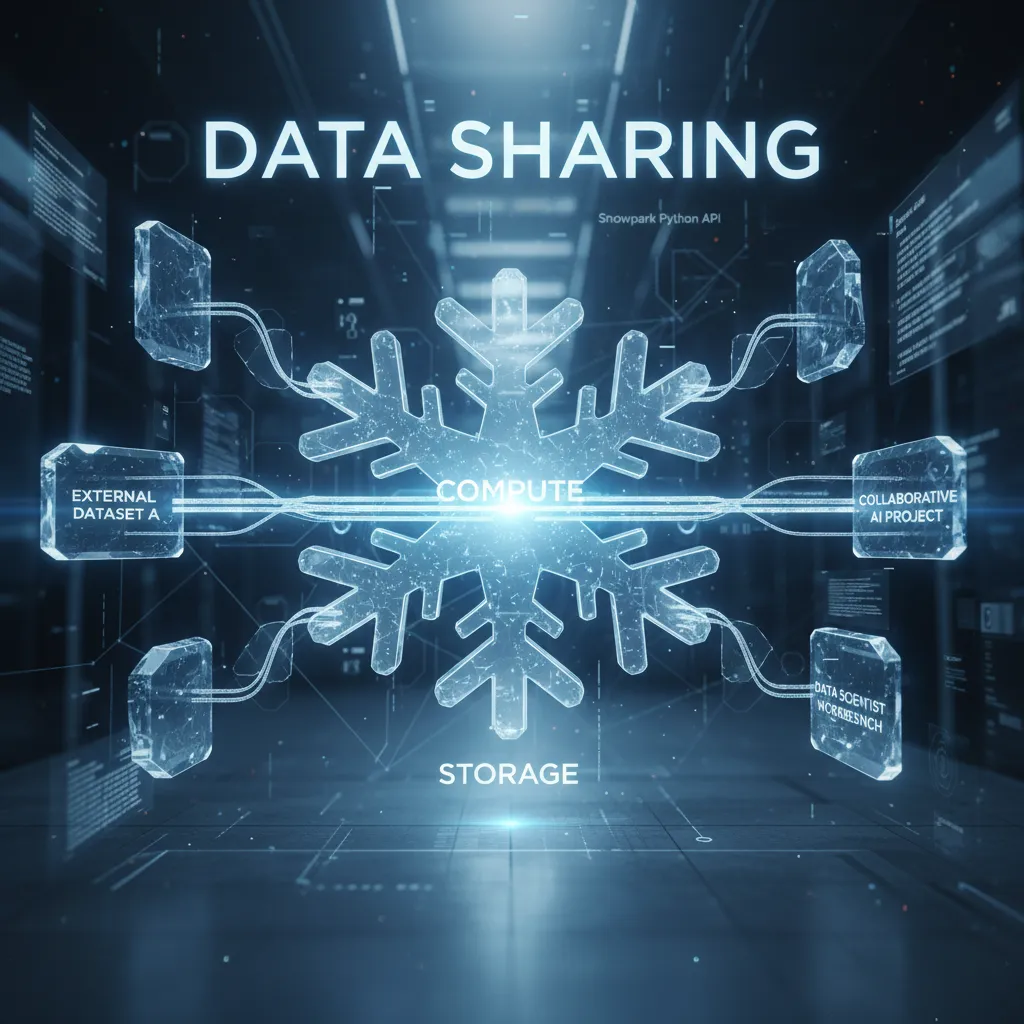
If you want serverless, high-concurrency analytics with minimal tuning, BigQuery often feels frictionless (Dremel + automatic scaling slots). If you want BI-friendly warehousing with strong ANSI SQL, micro-partitions, and predictable “virtual warehouse sizing,” Snowflake is hard to beat. If you’re building an AI/ML-heavy lakehouse with notebooks, streaming, and Spark SQL integration, Databricks (Photon + Delta Lake optimizations) usually wins—just budget time for cluster behavior and DBUs.