
Best HR AI Tools: A Real-World 2026 Rundown
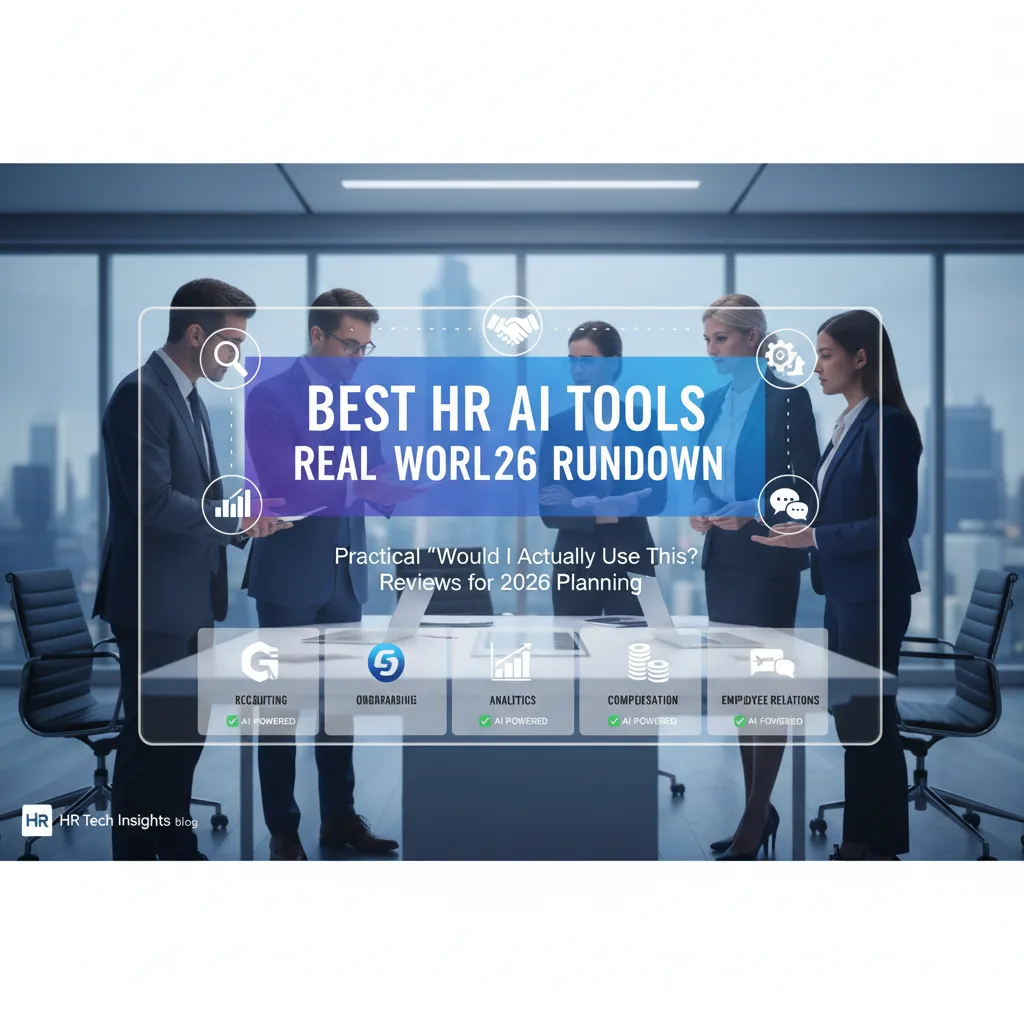
If you’re shopping for AI HR solutions in 2026, pick tools that (1) reduce ticket volume with an AI assistant, (2) improve performance reviews without sounding robotic, (3) tighten applicant tracking and resume screening, (4) make HR analytics and workforce planning visual, and (5) handle employee relations and investigation planning with care. My short list: HiBob, Lattice, BambooHR, Workday HCM, Payscale, HR Acuity (olivER), Leena AI, Gusto, and Microsoft Copilot—each wins in different lanes.
AI Agents for Sales: Tools I’d Actually Use in 2026
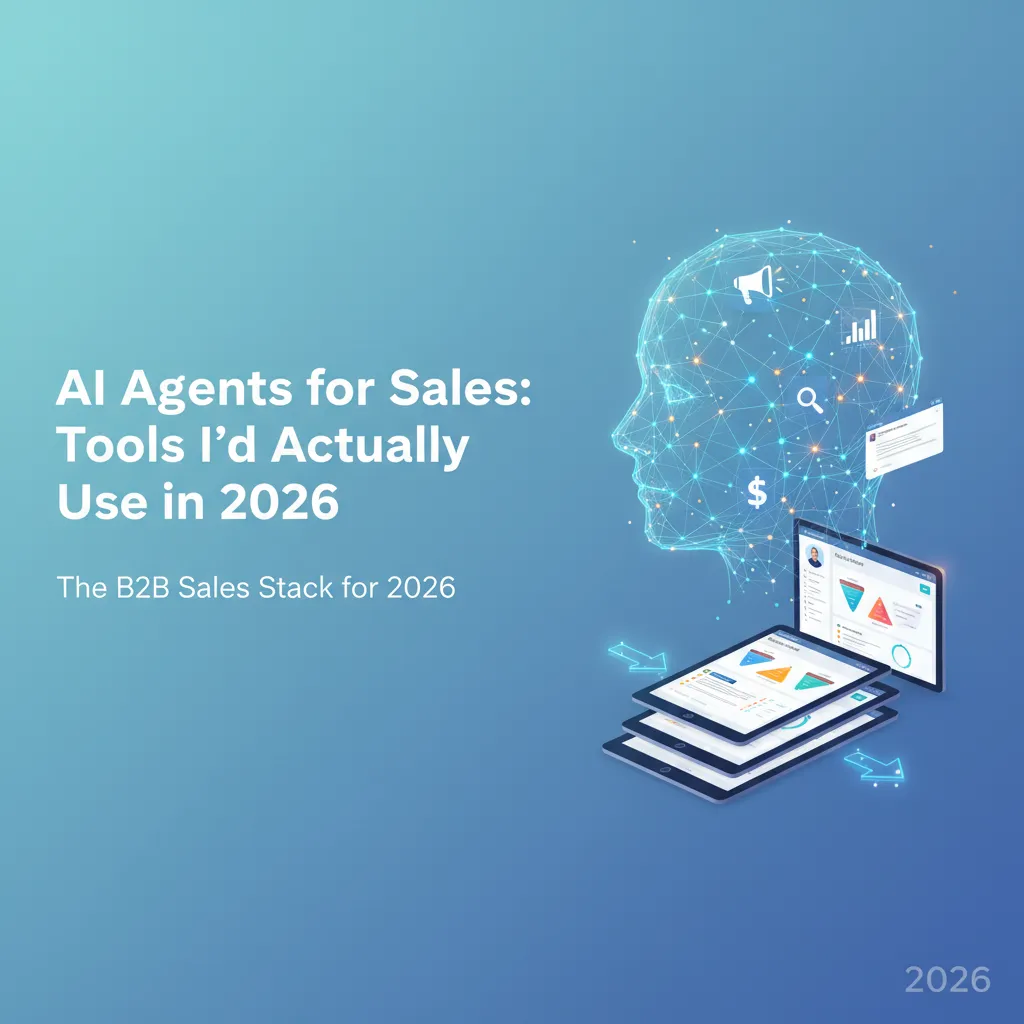
If you want AI that actually moves deals, match the tool to the moment: prospecting (Apollo.io AI / ZoomInfo Copilot), lead qualification + scheduling (Exceed.ai), conversation intelligence (Gong.io / Remberg Copilot), CRM-native scoring & forecasting (Einstein AI, Agentforce Salesforce, Freddy AI, Zia AI). Build around one CRM integration, keep the stack small, and track a few outcomes (reply rate, meetings, forecast accuracy) instead of collecting “features.”
AI Ops Tools 2026: A Real-World Comparison
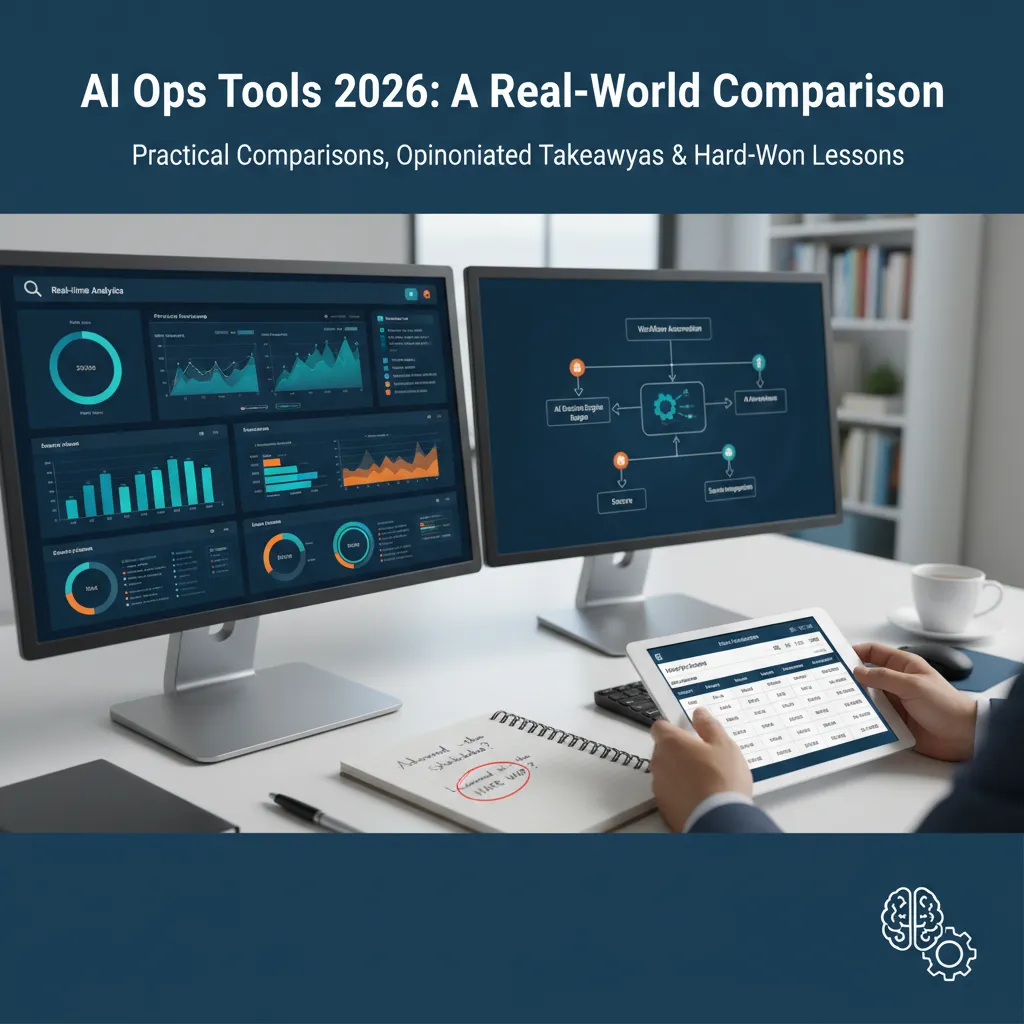
If you want quick wins, start with no-code workflow automation (think Zapier AI’s 8,000+ app connections). If you’re already in Microsoft 365, Copilot at $30/user/month is hard to ignore for secure, everyday ops. For revenue and service teams, Salesforce Einstein starts at $50/user/month. For analytics-heavy orgs, ThoughtSpot and DataRobot stand out for data-driven insights and machine learning automated insights. Whatever you choose, prioritize integration capabilities, security compliance safeguards enterprise, and a clear “pilot-to-production” plan.
Leading AI Adoption: A People-First 2026 Playbook
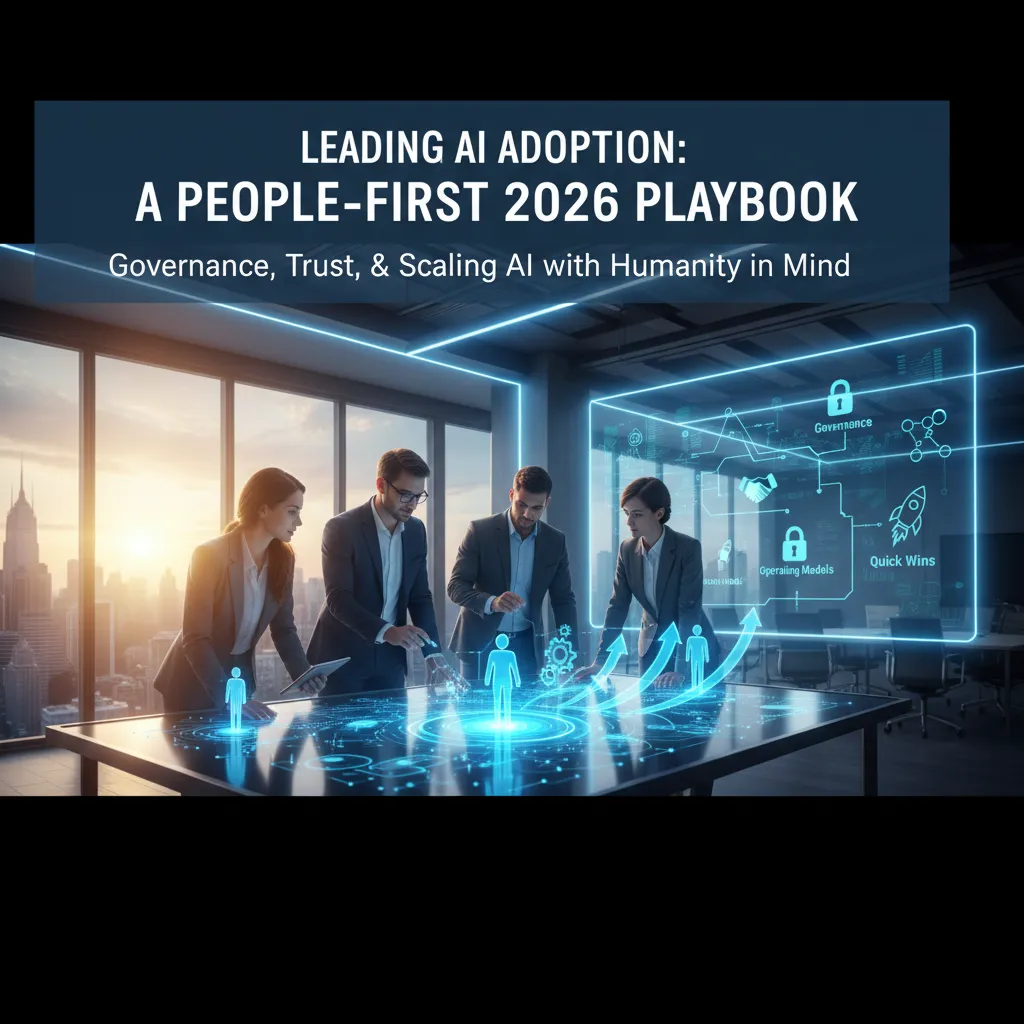
If you’re implementing AI in leadership in 2026, start with a federated AI governance framework and responsible AI principles, get data/platform readiness in order, pick high-ROI use cases for quick wins, design a people-first operating model, then scale with MLOps security and monitoring—using KPIs, training, and culture work to keep trust intact.
AI in Newsrooms: From Chatbots to Infrastructure
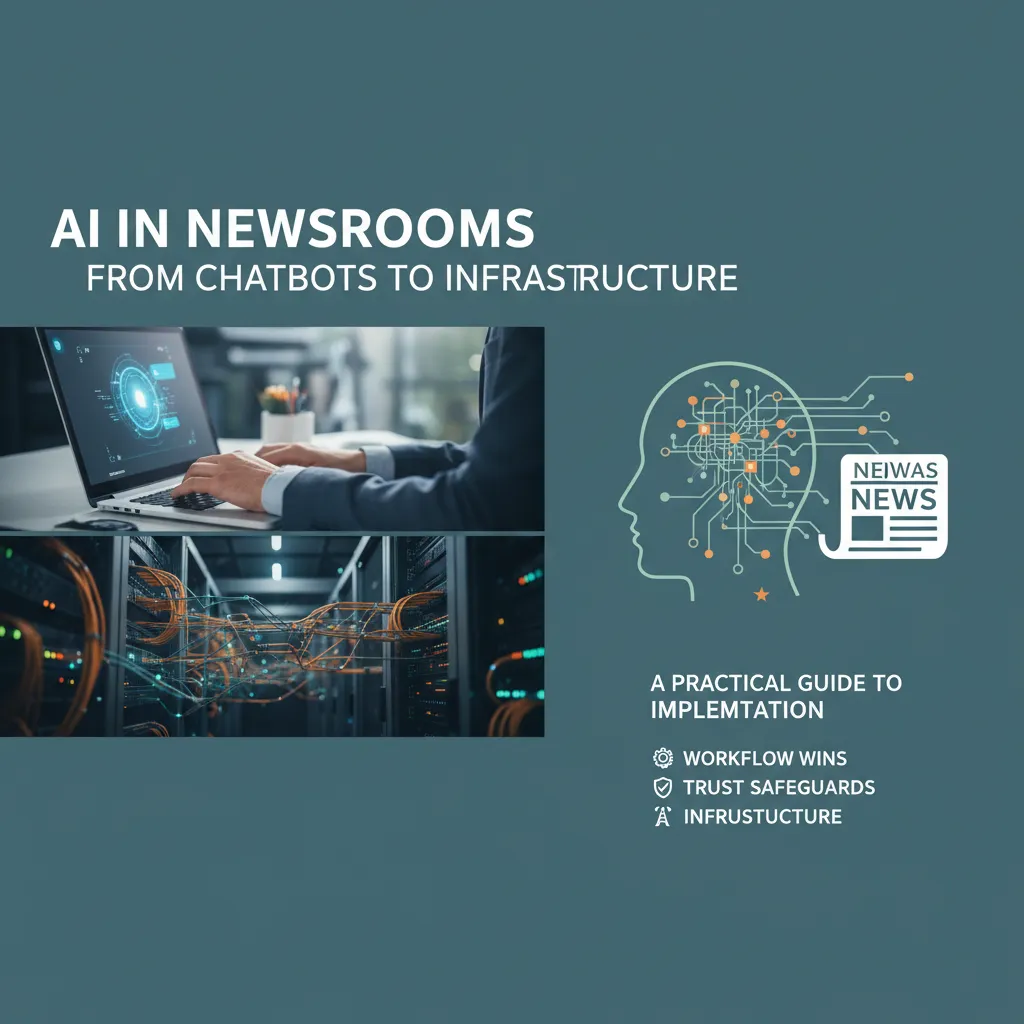
Implement AI in AI news by treating it as infrastructure, prioritizing AI information processing over AI content generation, building guardrails for AI content authenticity, and measuring workflow time saved—not hype.
AI Automation Tools: My Step-by-Step Implementation Guide
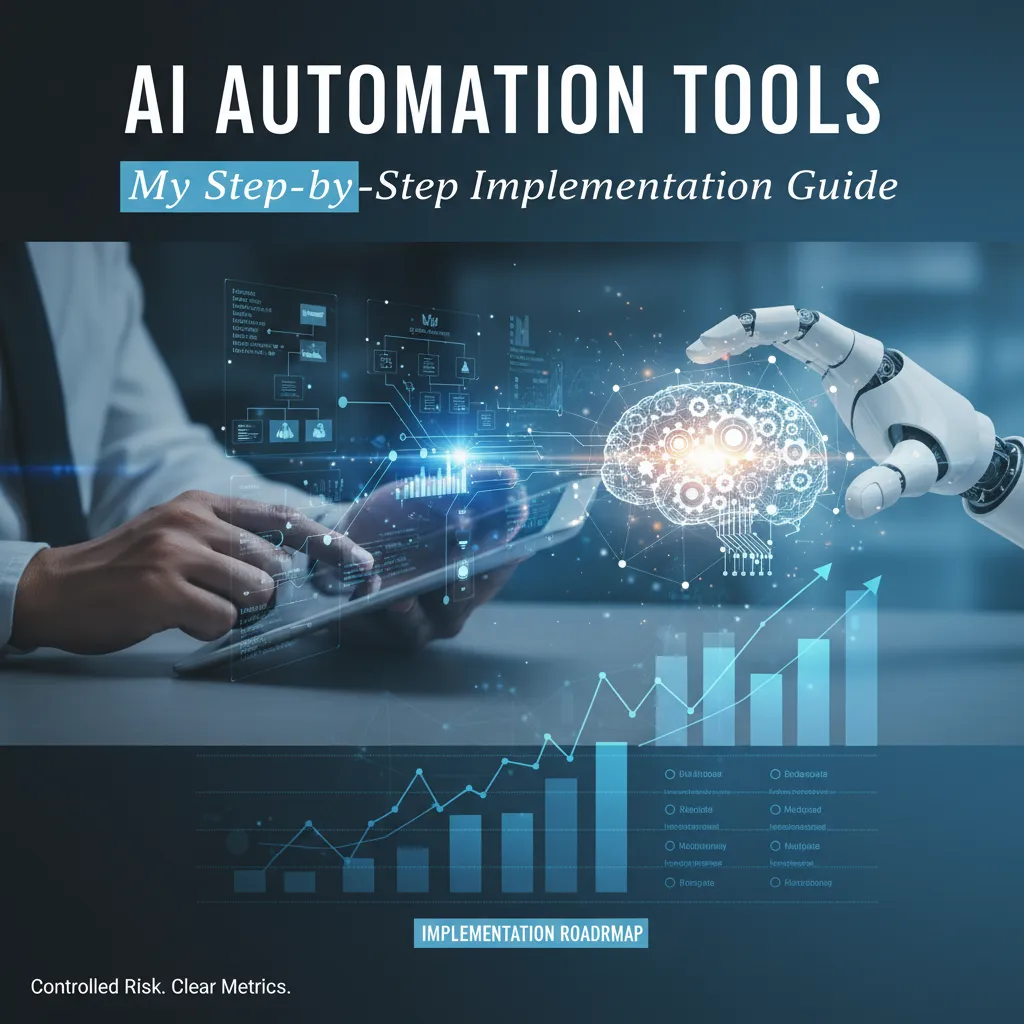
Pick one process. Measure it. Run a 4-week PoC on 100–500 transactions with human-in-loop. Deploy in phases (shadow → 25% → 75% → 100%). Govern it, then continuously improve and expand.
AI Product Implementation Guide for 2026 Teams
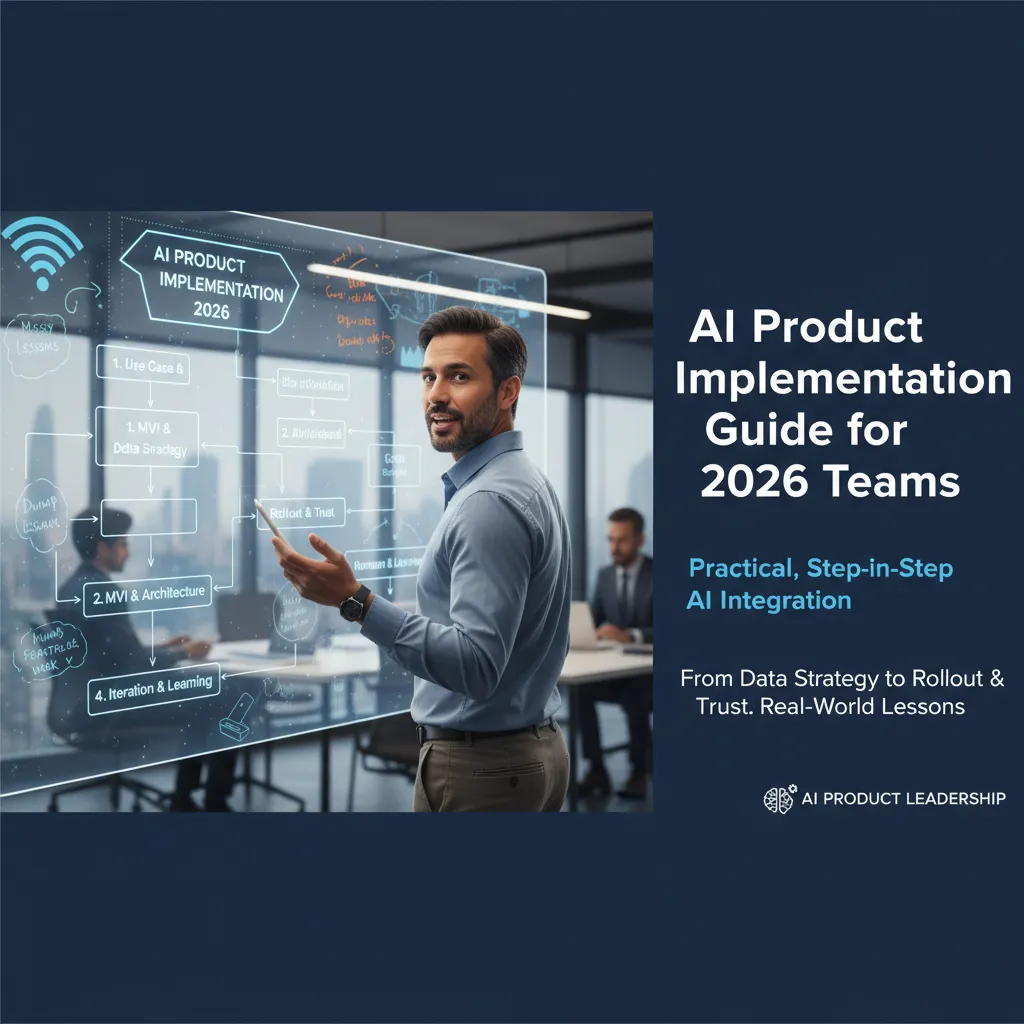
Implementing AI in products in 2026 works best as a structured methodology: assess AI maturity level, pick a customer problem, design your data strategy implementation, choose build/buy/bake, prototype with Minimum Viable Intelligence (not MVP), deploy from lab to production in stages, and run continuous monitoring dashboards with trust architecture layers. Separate “feature stability tracking” from “agentic discovery experimentation” so you can innovate without breaking core UX.
AI Marketing Strategy: A Messy, Practical Rollout
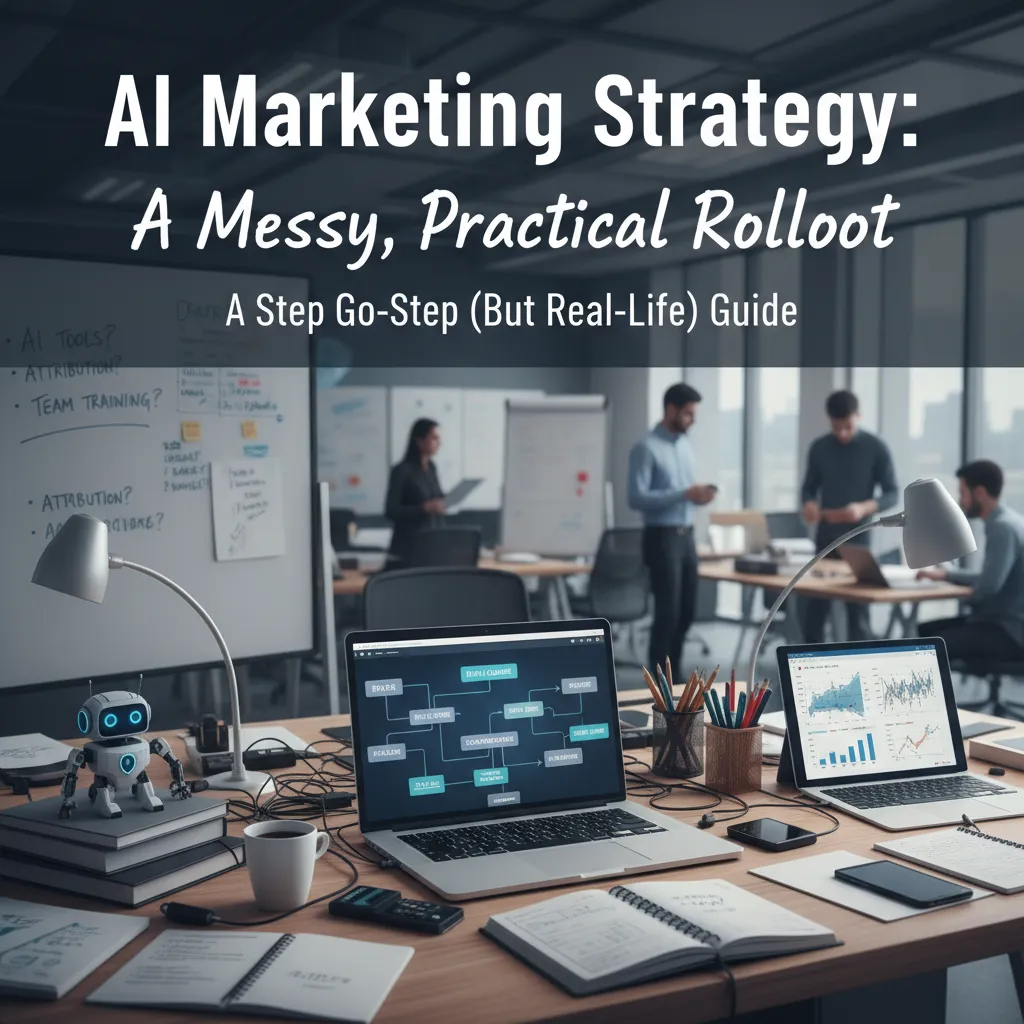
Start with 1–2 low-risk, high-impact AI marketing tools (think lead scoring and content creation). Fix data quality, run a tight pilot, measure ROI over 6–12 months, then scale with governance, human review, and cross-functional support—especially for real-time personalization and autonomous campaign optimization.
Implement AI in Data Science (Without the Hype)
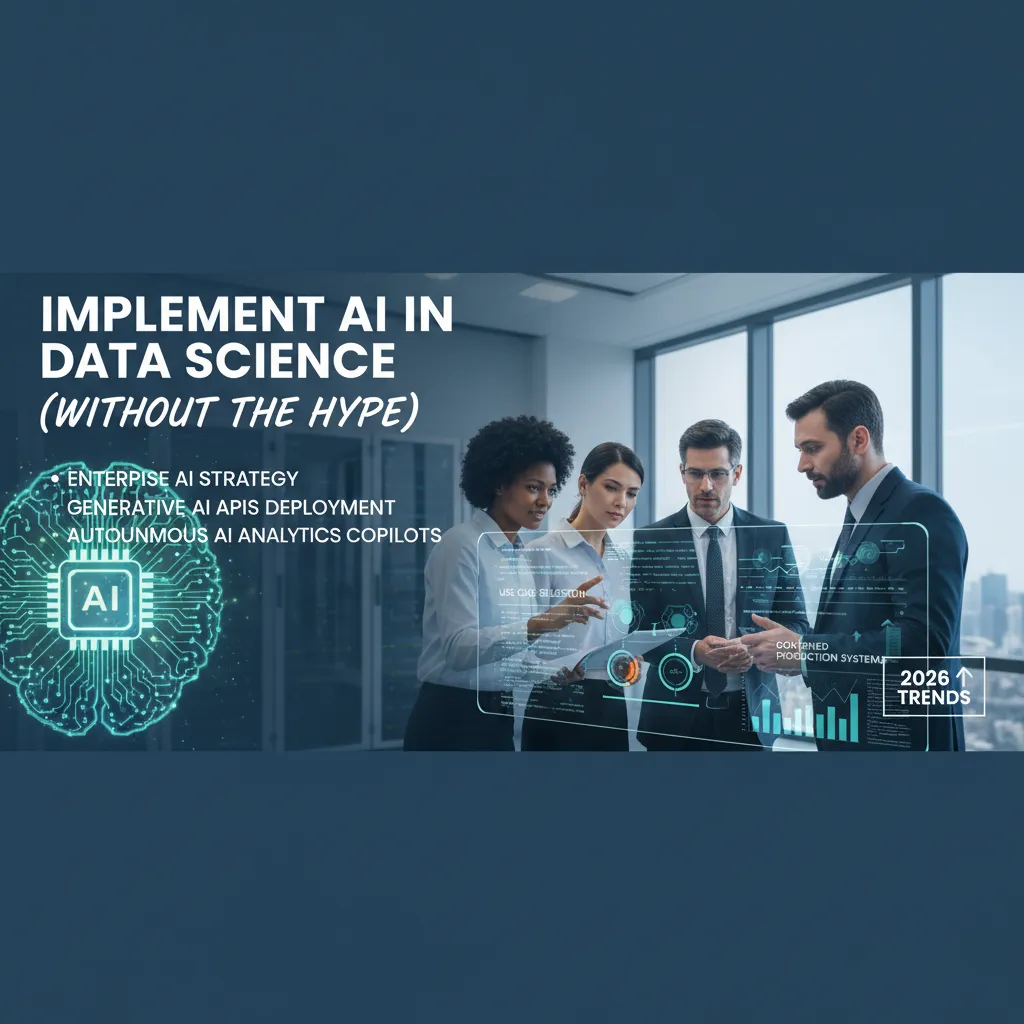
Pick one decision to improve, not a model to deploy. Build a data foundation (often cloud-native), design for privacy and governance, ship in thin slices with monitoring, and use copilots/agents where they actually reduce work. Align with 2026 trends: copilots, data mesh, PETs, real-time anomaly detection, and AI factories.
Implement AI in Finance: A Roadmap Guide
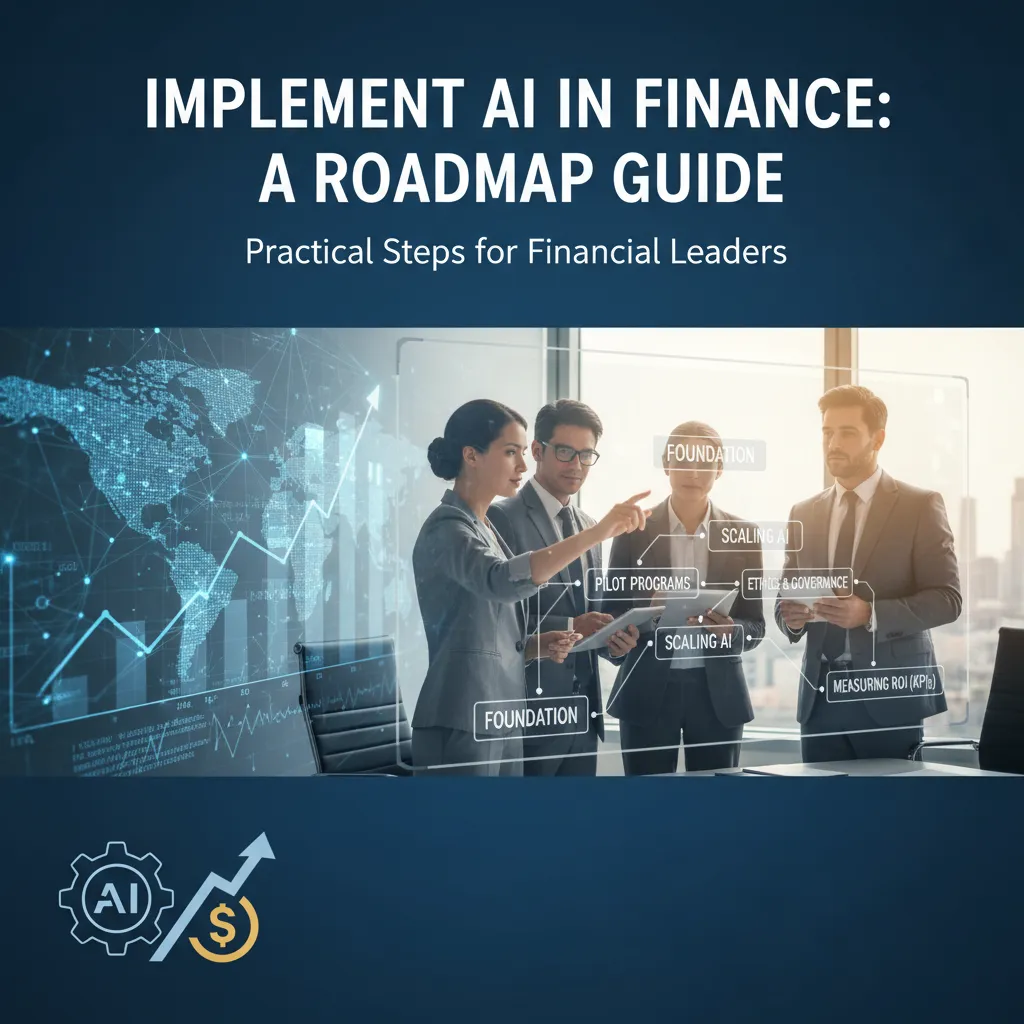
Implement AI in finance in three phases: Foundation (3–6 months), Expansion (6–12 months), and Maturation (12–24 months). Start with data governance + cloud-based ERP readiness, run tight pilot programs (invoice automation is a classic), scale what works with RPA + predictive analytics, and lock in ethical AI and regulatory compliance—tracking ROI with financial KPIs.