
AI in HR, Step by Step (Without Losing the Human)
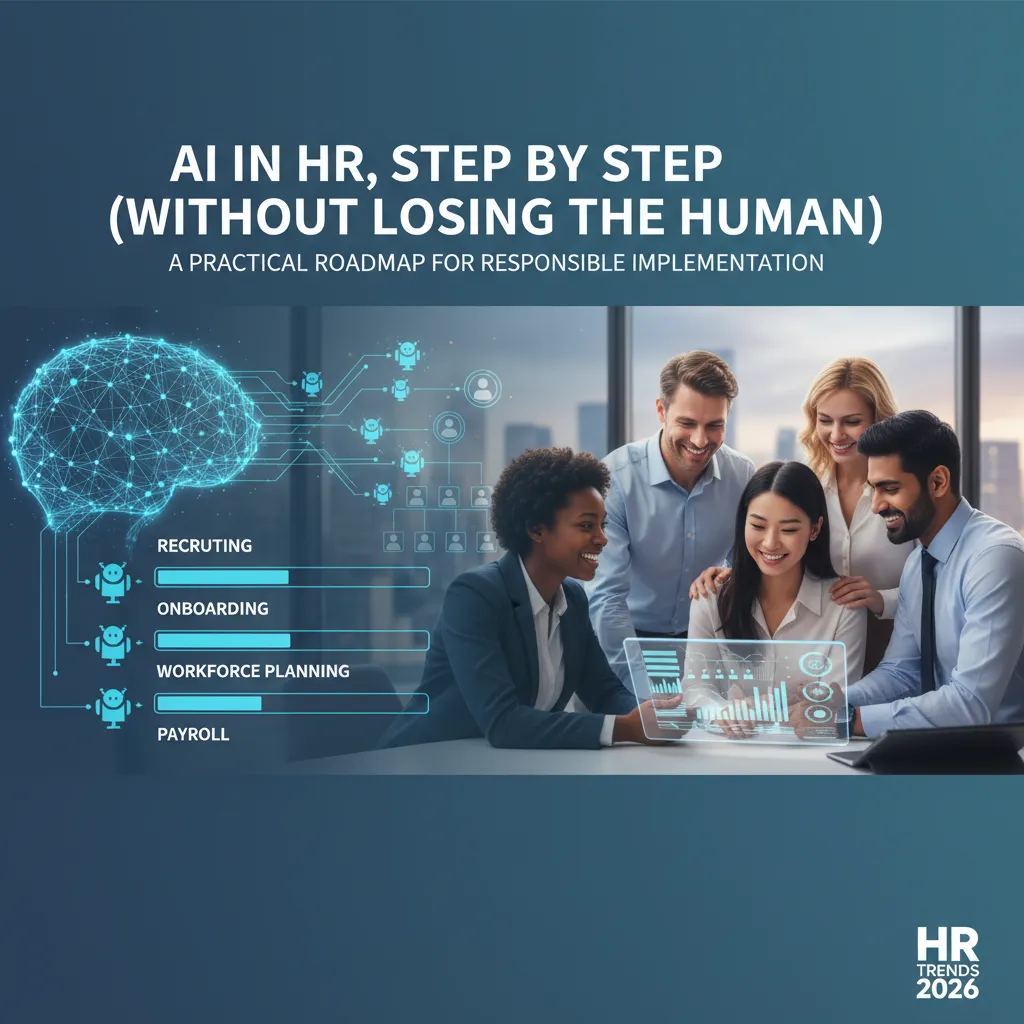
Implement AI in HR by picking one painful workflow, fixing your data pipes, piloting safely, adding governance, and scaling toward AI agents that handle multi-step HR processes—while training managers for human AI synergy.
AI Sales Integration: A Step-by-Step Playbook
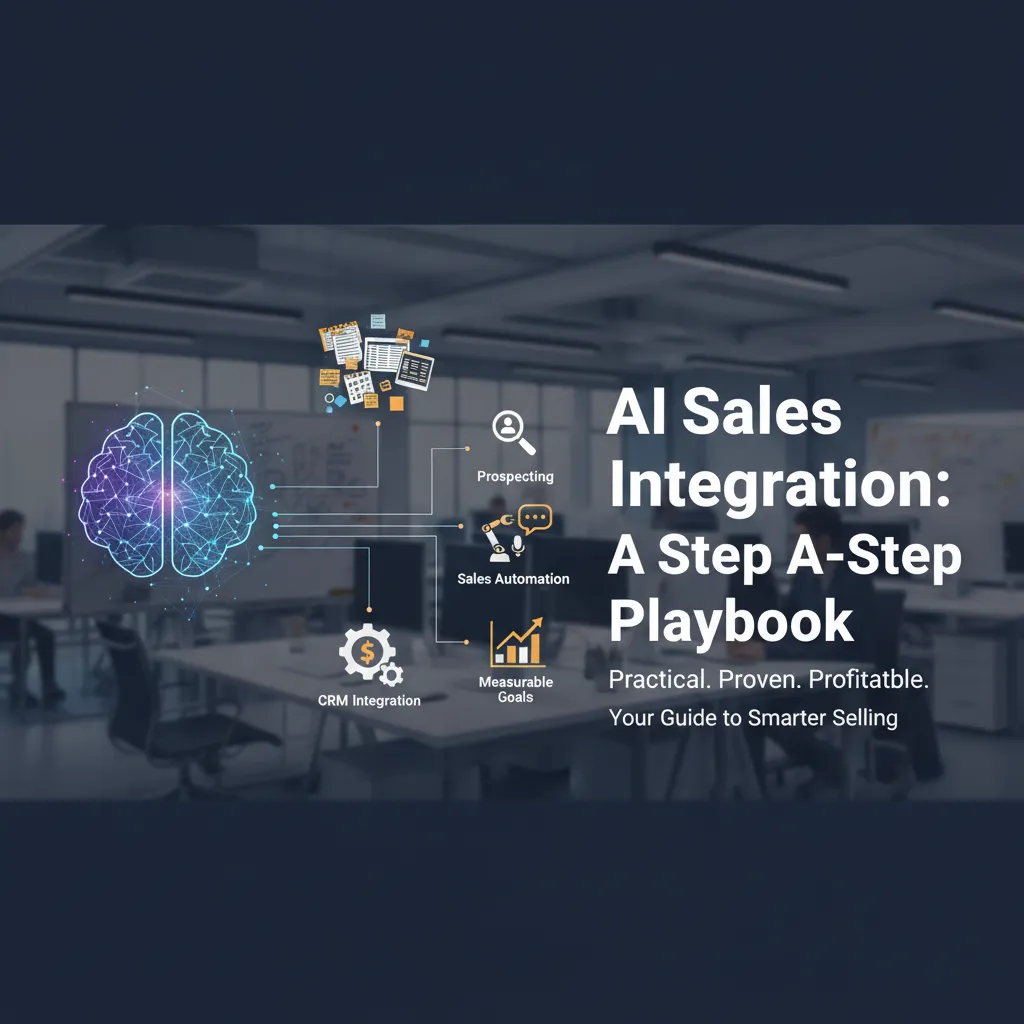
Map your current sales process first, set clear objectives with measurable goals, pick the right sales AI tools, run pilot testing, integrate with your CRM, train the sales team, and monitor/optimize with success metrics tied to revenue growth and conversion rates.
AI stats & generative AI for operations
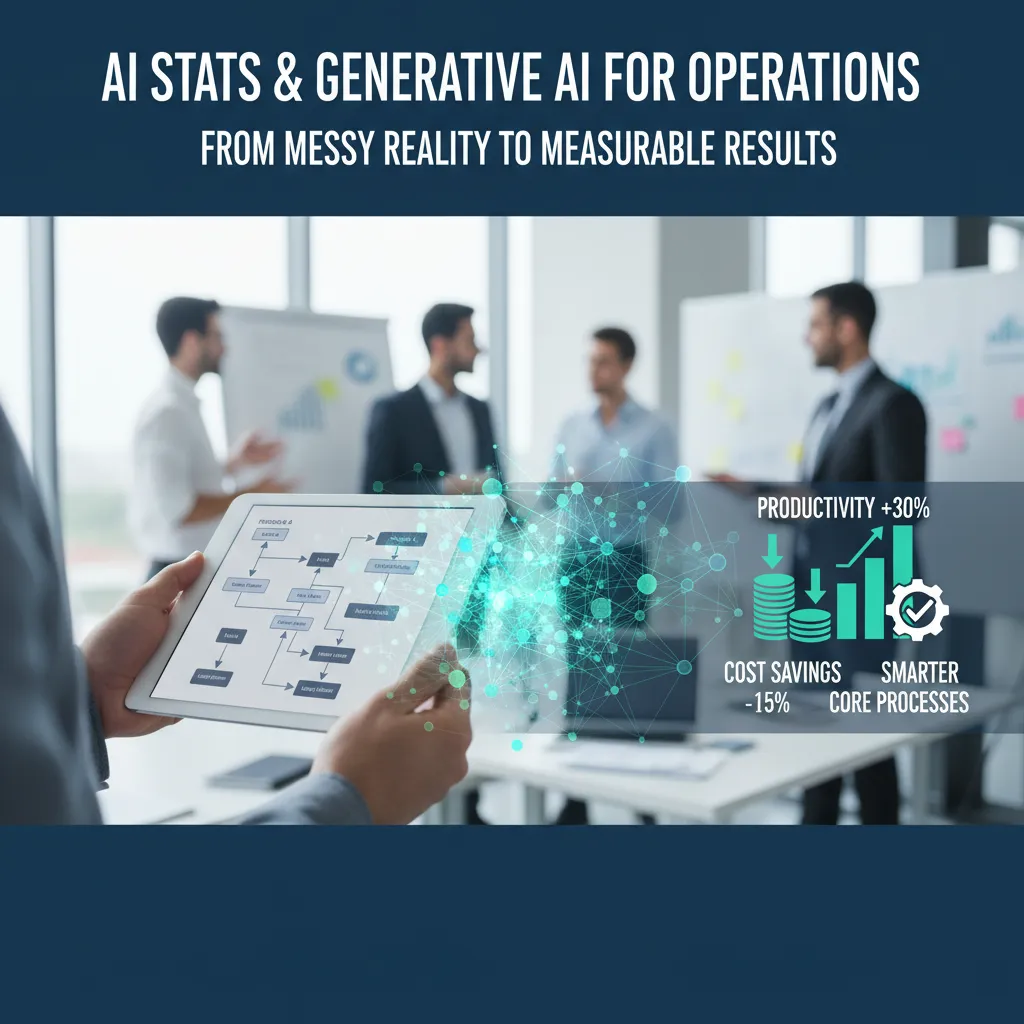
Implementing AI in operations works when you treat it like process improvement: pick high-friction workflows, fix data plumbing, pilot fast, measure operational metrics, and scale with an AI policy. Use generative AI where it truly fits (support, knowledge work), automate where ROI is clear, and plan for workforce impact.
AI News Leaders on Keyword Extraction & AI Search

AI news leaders don’t treat keyword extraction as a magic trick—they treat it as a context-aware, NLP-powered workflow: start with seed keywords, expand with long tail and question keywords, validate with search volume + difficulty, then use content tagging to improve AI search relevance. Tools like Lucidworks AI Boosters, ClickRank, spaCy, and Spark NLP help—but editorial judgment still decides what not to publish.
Physical AI Craze: Automation Trends Leaders See
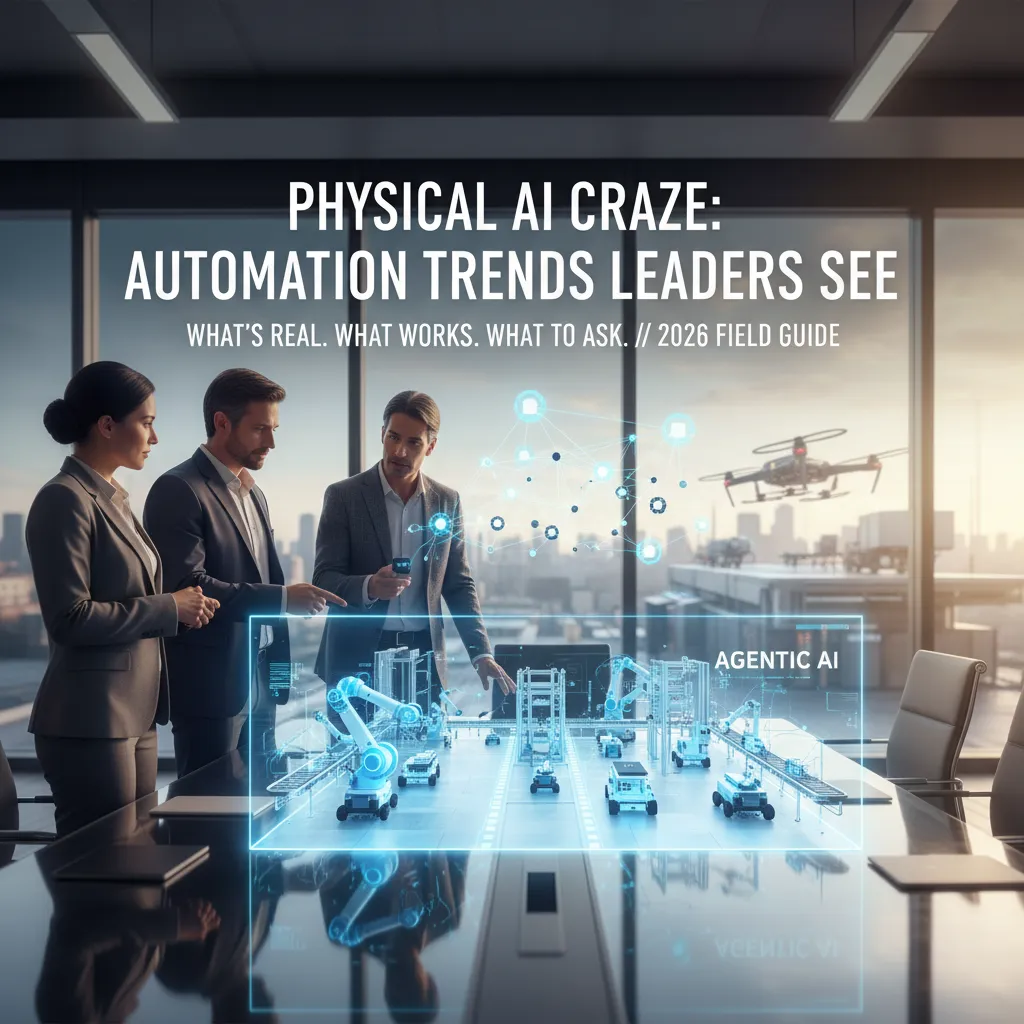
Physical AI is shifting from R&D to real deployments, with adoption in manufacturing at 58% and projected 80% in two years (Deloitte). Agentic AI (mixing analytical + generative AI) plus stronger sensor technologies and edge AI chips are making AI autonomy more practical—but AI risk governance (68% priority) and AI cybersecurity (59% adoption for augmentation) decide whether the gains stick. Build with control planes, workflow orchestration, and open source AI where it improves interoperability—then measure outcomes, not hype.
AI Trends 2026: Product Leaders, Real Lessons
AI Trends 2026 aren’t just bigger models. Product leaders are betting on autonomous AI agents, generative AI integration across the product lifecycle, edge AI intelligence for privacy + speed, data-centric AI with synthetic data, and human-AI collaboration as the new default workflow—backed by stronger security governance and practical AI infrastructure choices.
AI Marketing Trends 2026: Notes From a Leader Chat
AI Marketing Trends in 2026 are less about shiny tools and more about ecosystems: AI search reduces clicks, first-party data becomes citation fuel, and agentic AI changes how buyers choose. Invest in clarity, measurement, and brand visibility where AI answers live.
Five AI Trends for 2026: A Data Science Debrief
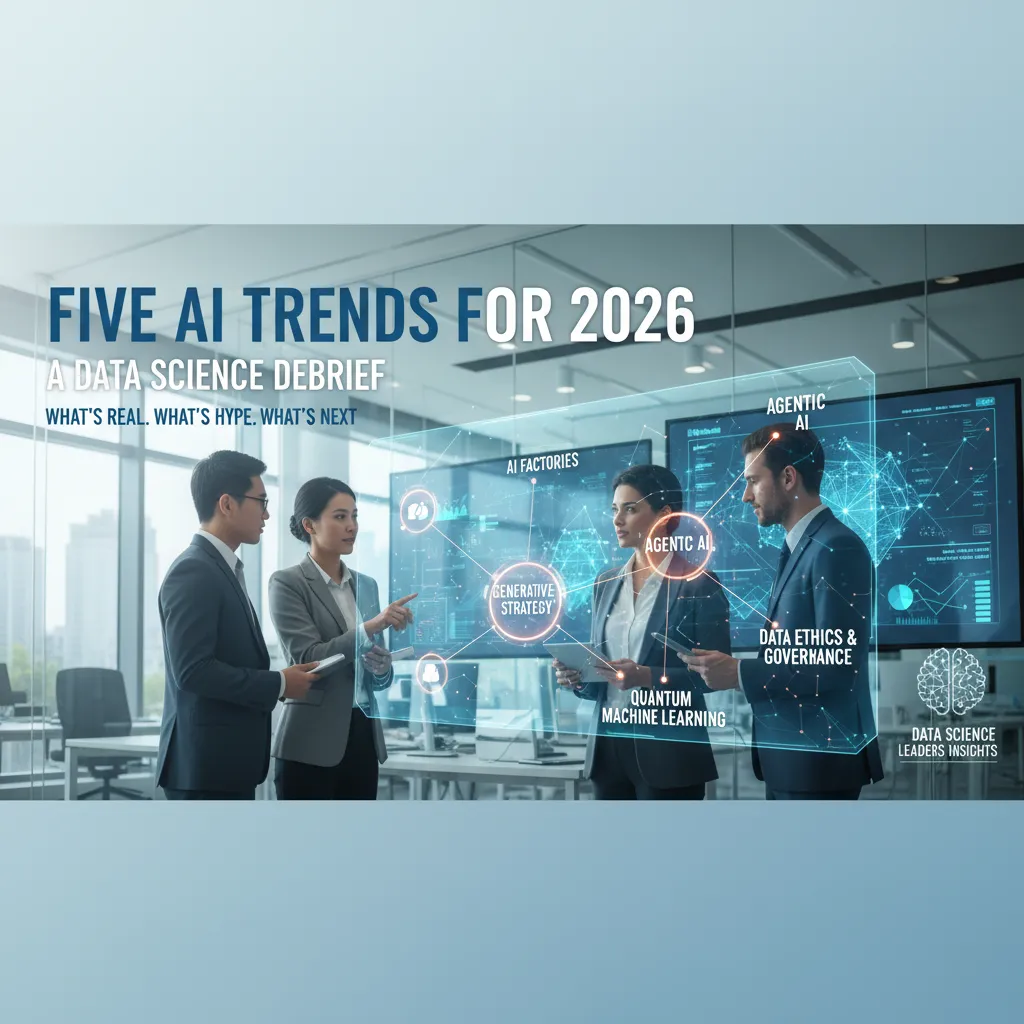
Five AI trends shape 2026: the AI bubble deflates into sober ROI, AI factories scale delivery, generative AI becomes an organizational resource, agentic AI matures into tool-using systems, and chief data leadership hits record support (70%). Prioritize AI-ready data, smaller domain-optimized models, edge AI cost/latency wins, and open-source interoperability—then measure value realization ruthlessly.
AI Trends in Financial Services: A CFO’s Notes
Finance leaders expect an AI-powered future by 2026: more internal AI platforms, faster fraud detection, hyper-personalised banking, and voice AI—if responsible AI, regulatory compliance, and data platforms keep up. Agentic AI is the wildcard: huge upside, sharp governance edges.
AI Transforming HR: What Leaders Told Me
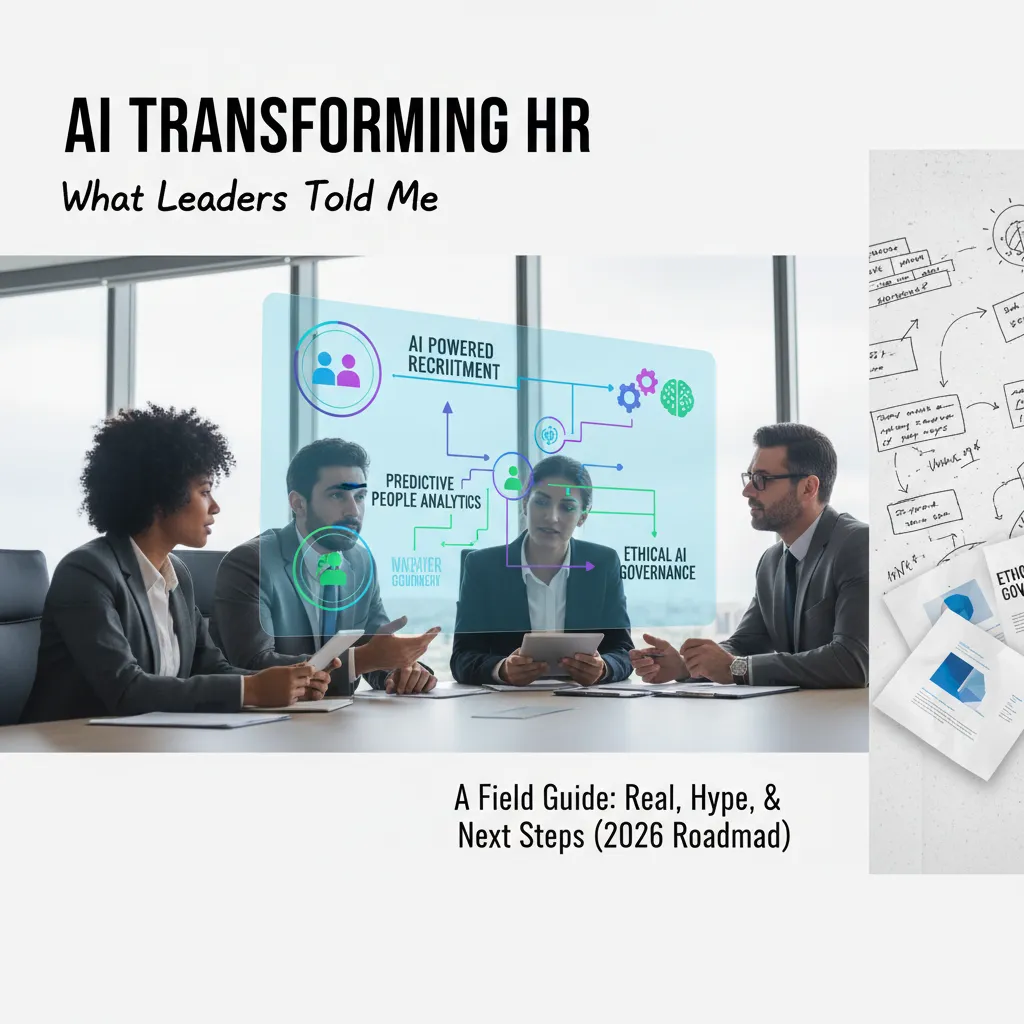
AI is already reshaping recruiting, analytics, and learning—but the winners in HR Trends 2026 will pair Agentic AI Systems with Ethical AI Governance, continuous listening, and a skills-based workforce plan that employees can actually trust.