Internal AI Chatbots That Actually Get Work Done

Build internal AI chatbots around one messy workflow at a time: map the process, pick key AI features (NLP + document understanding AI), integrate via APIs/MCP, set guardrails, and track chatbot ROI reduction. Agentic workflow automation and voice-enabled chatbots will make “asking for work to happen” normal by 2026.
AI in M&A Due Diligence, Minus the Busywork
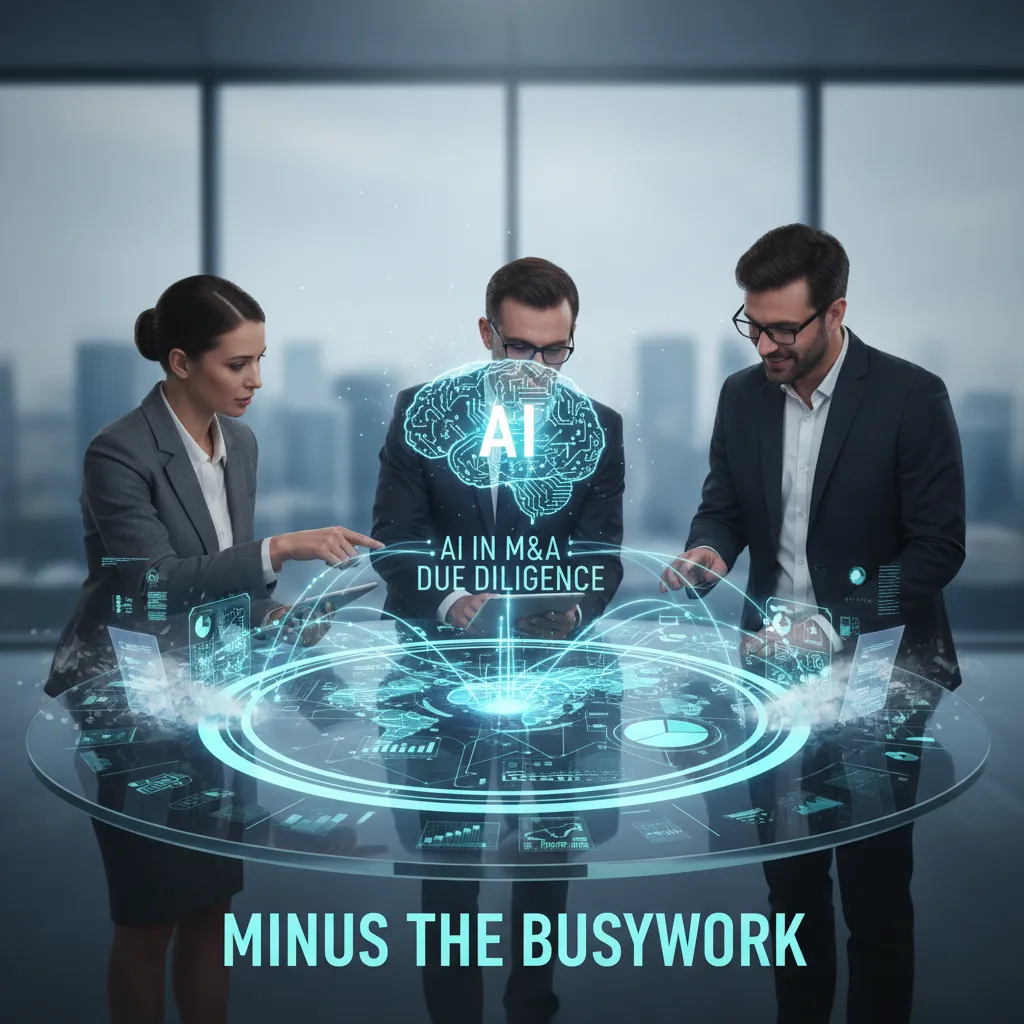
AI in M&A can cut due diligence time by up to 70% by automating contract analysis, risk assessment, and data analysis in AI-powered VDRs—while improving target identification, valuation scenario testing, and post-merger integration planning (with humans still owning judgment).
AI-Powered Account-Based Marketing: The Human Guide
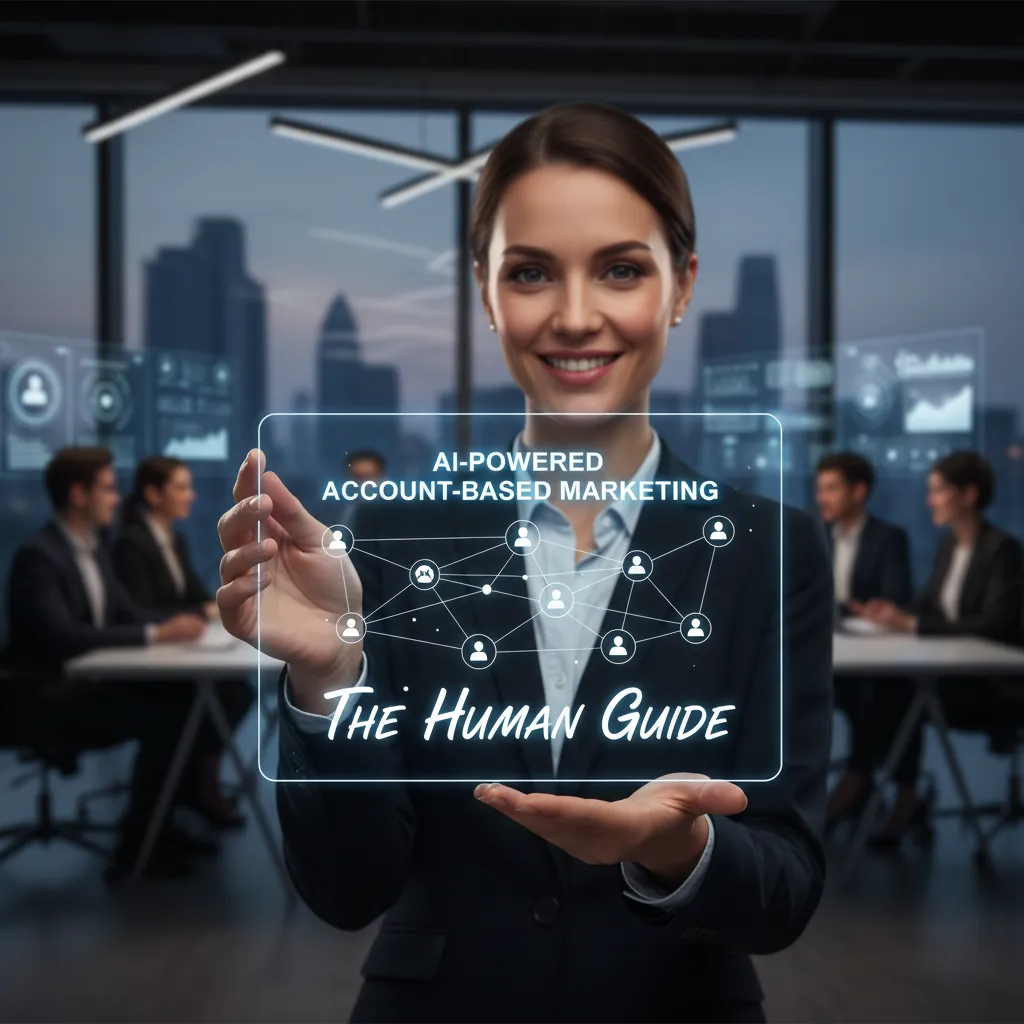
AI-Powered ABM works when you start with a tight target universe, map buying committees, use predictive intelligence + intent data, integrate your tech stack, and measure account reach and pipeline impact—not clicks. Keep the human connection and brand authenticity, especially as agentic AI workflows become normal in 2026.
The AI Skills Gap: What Businesses Do Next
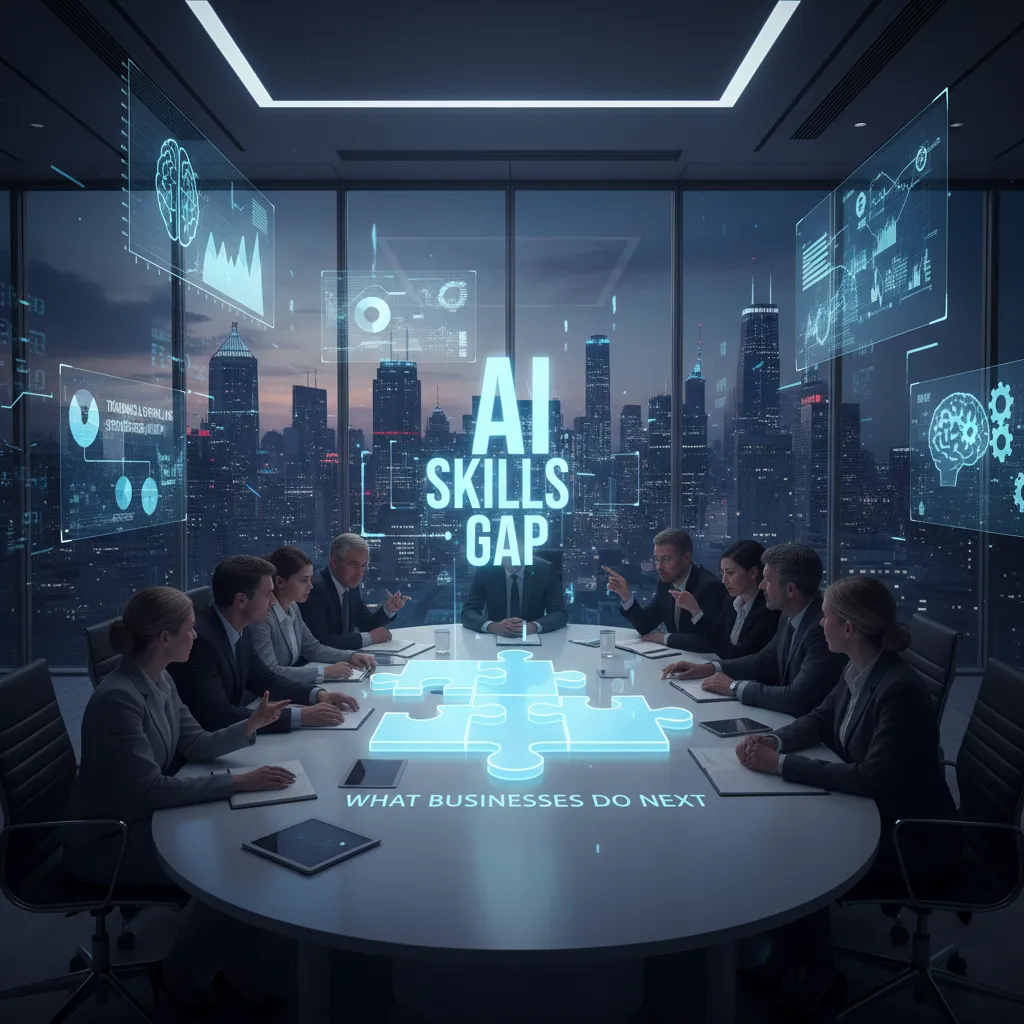
The AI skills gap isn’t just a shortage of ML engineers—it’s a messy mix of AI fluency, data quality, human skills, and workforce planning. Businesses are responding with upskilling/reskilling, skills-based hiring, partnerships, and skills intelligence—because most AI pilots fail without the people side.
AI-Powered Skills-Based Organization Playbook
Use AI to build a skills-based organization by (1) creating a practical skills taxonomy, (2) running workforce skills analysis to reveal gaps, (3) shifting hiring and staffing to skills over qualifications, (4) powering internal mobility programs, and (5) investing in employee development programs—while governing bias, privacy, and change fatigue with a simple operating rhythm.
Integrating AI Into Your Tech Stack, Practically

Start with a tech stack audit, pick one AI-powered feature tied to ROI, upgrade your data integration for real-time processing, add a vector database + hybrid search, wrap it in AI orchestration and MLOps, and enforce security compliance + governance so it can scale past the pilot.
AI-Driven Product Strategy: From Idea to Launch

I use AI to (1) widen ideation without losing taste, (2) turn messy data into decision-ready signals, (3) prototype and validate faster, (4) plan launch operations and workforce readiness, and (5) ship with continuous governance, audits, and real-time metrics—aligned with Tech Trends 2026 insights.
AI Risk Management Tools & Best Practices

AI Risk Management works best when tools (governance, compliance, security, forecasting) are wired into DevSecOps pipelines, mapped to EU AI Act and NIST AI RMF, and backed by continuous monitoring, red teaming, and drift detection. Choose platforms that produce audit artefacts, quantify impact, and keep humans in the loop.
Mid-Year AI Review: 2025 Business Trends

By mid-2025, businesses are moving from AI experiments to scaled enterprise AI: reasoning-focused large language models, agentic AI workflows, and predictive analytics are driving ROI—while cloud migrations, custom silicon, and AI governance determine who can sustain it.
AI ERP Showdown: SAP, Oracle & Dynamics
If you want deep global complexity and industry specialization, SAP S/4HANA is the heavyweight (with SAP Leonardo for embedded AI). If you want cloud-native automation with strong financial management, Oracle Cloud ERP is hard to beat (Oracle AI Cloud). If you want the most user-friendly interface, faster implementation (often 3–6 months), and tight Microsoft ecosystem fit, Microsoft Dynamics 365 stands out (Copilot, Power Automate RPA, Azure integration).