How We Built an AI-First Company from Day One

I built an AI-first company by anchoring AI in business outcomes, consolidating data into a governed estate, picking frontier LLMs pragmatically, deploying people-first AI agents on high-value workflows, and redesigning operations—not just adding tools. Governance and change fitness made it scalable.
AI for Competitive Product Analysis: My Field Notes

I use AI tools to automate competitor monitoring (pricing, features, messaging), validate assumptions with AI surveys, and add predictive analytics to spot trends early—then package it into automated reporting for product and sales enablement.
25 AI Marketing Hacks That Work in 2025

AI marketing in 2025 is less about flashy tools and more about repeatable loops: better first-party data, sharper prompts, real-time adjustments, and ethical guardrails. Use these 25 hacks to personalize at scale, automate the unsexy work, and optimize bids/creative without losing your voice.
Python, R, or Julia for AI Business Analytics?
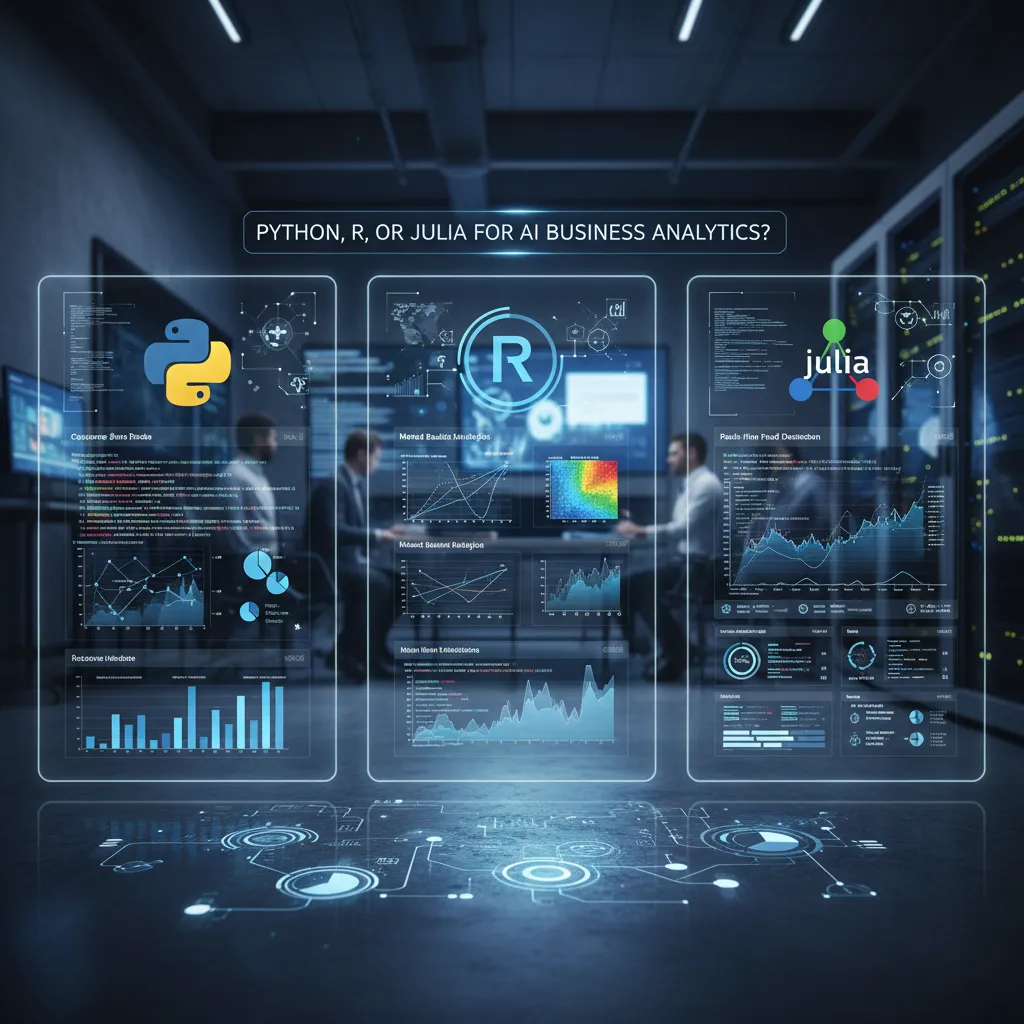
Python is my default for end-to-end AI development and production analytics; R is my go-to for statistical modeling and fast exploratory work with gorgeous visualization; Julia is the “high performance” specialist when Numerical Computing and scientific computing need C speed without writing C. Choose based on workflow: stakeholders + deployment (Python), stats-heavy insight work (R), performance-critical simulations/optimization (Julia).
AI FP&A Tools: Build a Financial Planning Model

Start with clean, consolidated data and an Excel-friendly workflow. Add machine learning forecasting, scenario modeling, and budget variance analysis. Use anomaly detection + alerts to catch weirdness early, and layer conversational AI for natural language queries and automated reporting.
AI in L&D: A Complete Learning Guide

AI in L&D works best when it’s invisible: personalization that respects learner agency, predictive analytics that triggers support early, GenAI that speeds content creation, and immersive practice that feels safe to fail in. Start with clean skills/metadata, pilot in one workflow, measure business metrics, and keep humans in the coaching loop.
The AI Skills Gap: What Businesses Do Next
The AI skills gap isn’t just a shortage of ML engineers—it’s a messy mix of AI fluency, data quality, human skills, and workforce planning. Businesses are responding with upskilling/reskilling, skills-based hiring, partnerships, and skills intelligence—because most AI pilots fail without the people side.
Gong vs Chorus vs Clari: My AI Sales Platform Pick
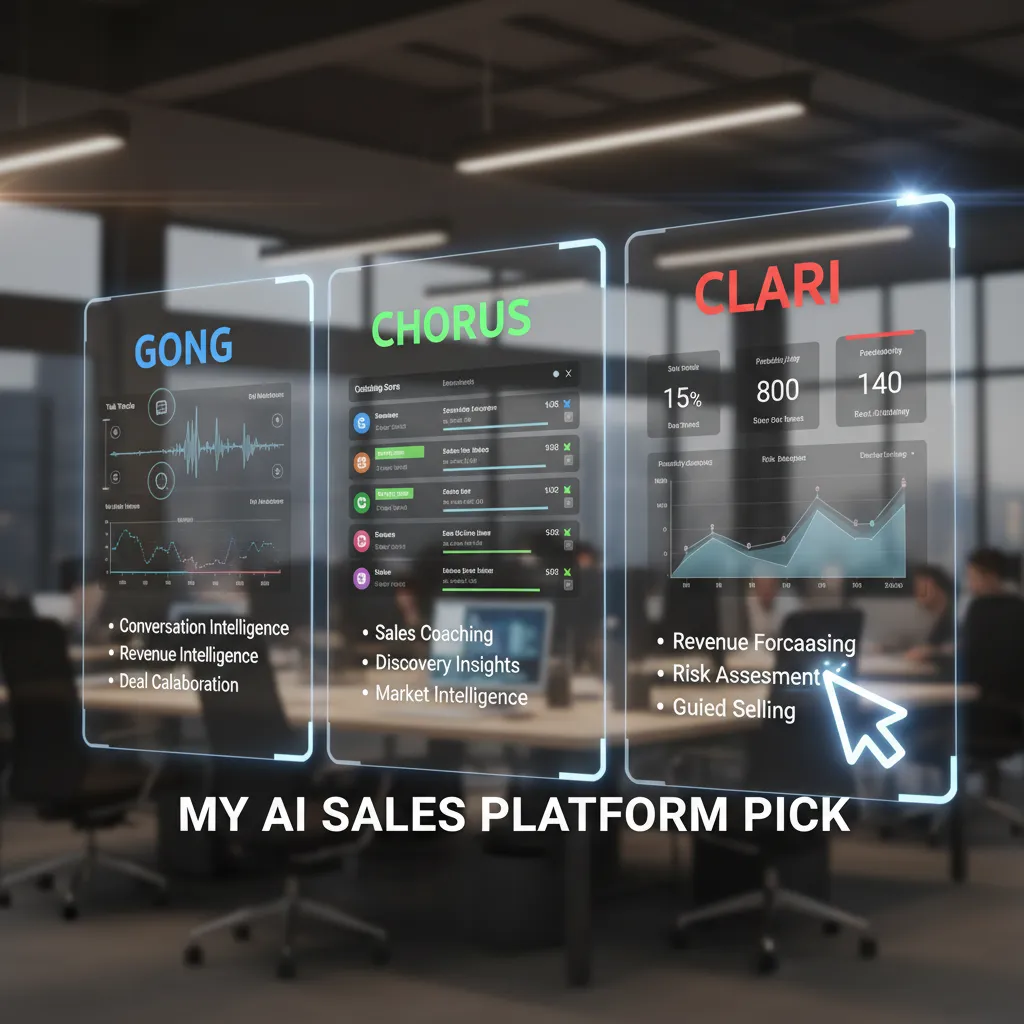
Gong is the heavyweight for revenue intelligence software and pipeline analytics (and strong multilingual transcription). ZoomInfo Chorus is the scrappy coaching-first option that’s often 50–60% cheaper and faster to implement. Clari shines when forecasting discipline is the main problem, especially if you want quicker setup than a full Gong rollout. None replaces your CRM; they complement it.
AI Process Mining & Optimization: A Field Guide

AI process mining uses event log data (and increasingly task/desktop capture) to automatically discover how work really flows, spot bottlenecks and deviations, and recommend process optimization. In 2026, the big shifts are predictive analytics, seamless data integration, and agentic capabilities that monitor in real time. Pair mining with RPA and governance for durable wins.
Figma, Sketch, or XD: AI Features Face-Off
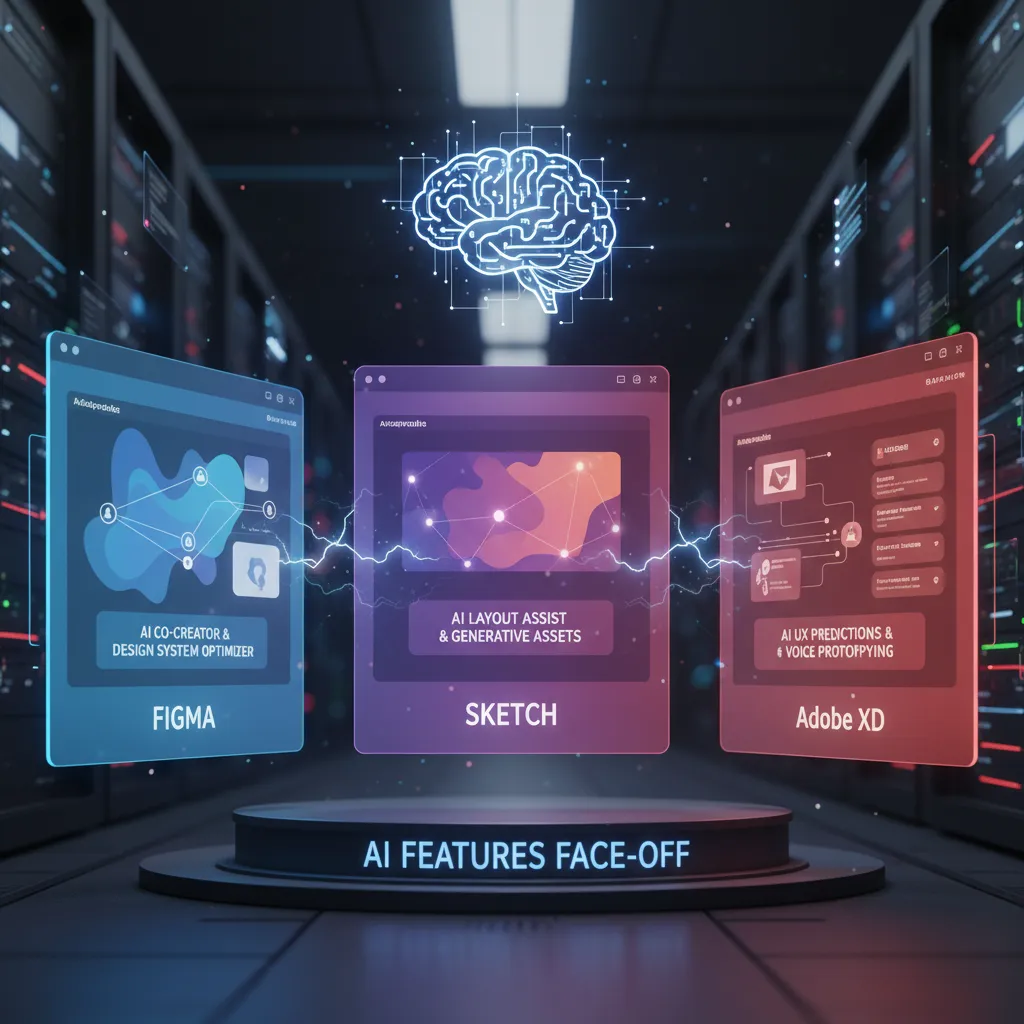
If you live in real time collaboration and cross platform access, Figma is the safest bet (and it’s pushing hardest on AI features). If you’re Mac-only and obsessive about pixel perfect control, Sketch still has real strengths—especially with plugins. Adobe XD has excellent Auto Animate/voice prototyping ideas, but “maintenance mode” changes the long-term calculus, even with Creative Cloud integration.