
15 AI Ops Metrics Leaders Actually Track

Track AI Operations Metrics across five buckets: workflow reliability, data & systems connectivity, ROI measurement (work removed + throughput), Responsible AI, and scaling readiness. If you can’t measure outcomes weekly, you’re still experimenting.
Internal AI Chatbots That Actually Get Work Done

Build internal AI chatbots around one messy workflow at a time: map the process, pick key AI features (NLP + document understanding AI), integrate via APIs/MCP, set guardrails, and track chatbot ROI reduction. Agentic workflow automation and voice-enabled chatbots will make “asking for work to happen” normal by 2026.
AI Analytics That Finally Got Us to Fit

We reached product-market fit by cleaning our structured data, using AI to detect real usage patterns (not vanity metrics), and running fast experiments. Agentic workflows and multi-agent dashboards helped automate analysis; smaller domain models kept it accurate and affordable.
Semrush, Ahrefs & Moz: AI SEO Tool Face-Off
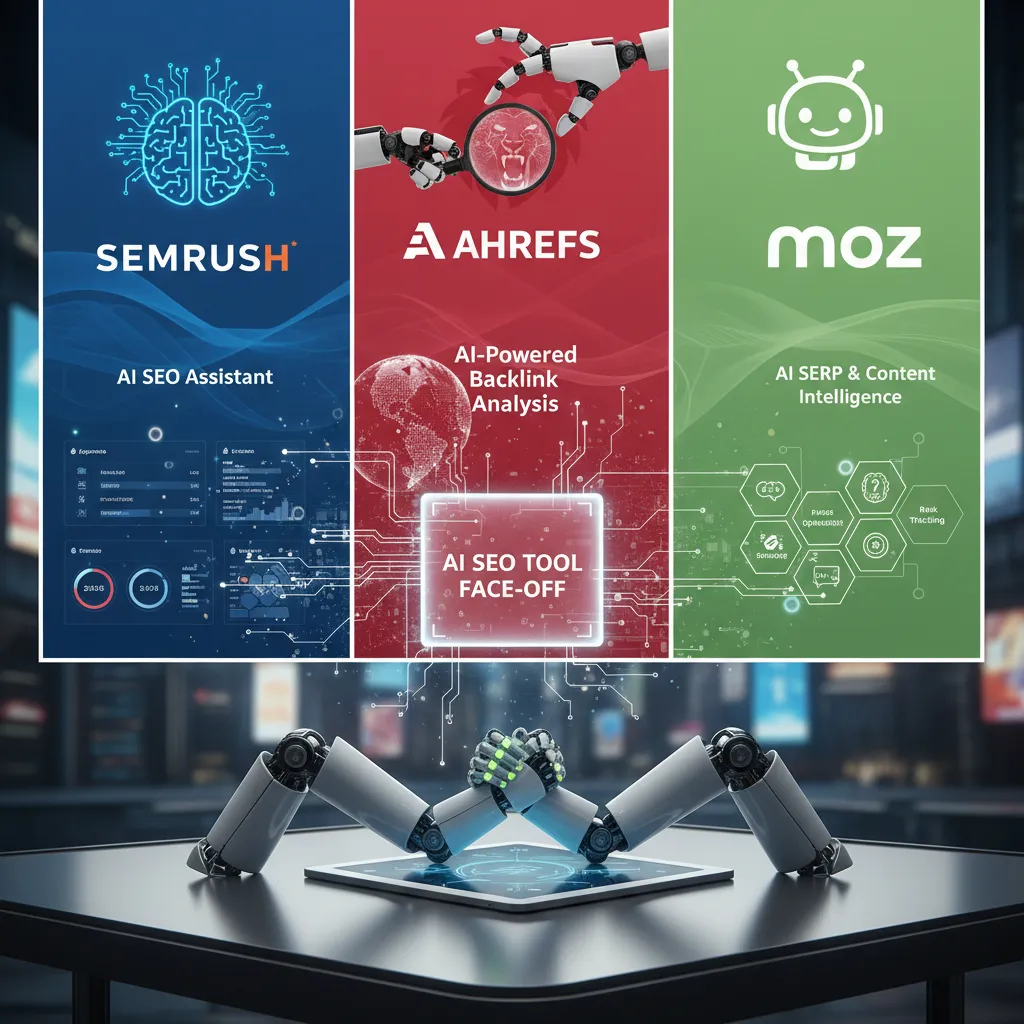
If you live in backlinks and link building, I keep coming back to Ahrefs (huge backlink database, frequent updates). If you need an all-in-one SEO tools + PPC tools + content workflow, Semrush is the “Swiss Army” pick. If you want beginner friendly SEO with Domain Authority and a simpler UI (and lower entry pricing), Moz is a calmer starting point—just expect lighter long-tail keyword coverage.
AI Customer Segmentation Models That Actually Work

AI-powered Customer Segmentation works when you (1) pick a segmentation lens (behavioral, demographic, psychographic, geographic), (2) prep data with intent, (3) start with K-means Clustering + Elbow Method, (4) validate with real-world outcomes (churn, LTV, conversions), and (5) operationalize segments in campaigns and product decisions.
AI in M&A Due Diligence, Minus the Busywork

AI in M&A can cut due diligence time by up to 70% by automating contract analysis, risk assessment, and data analysis in AI-powered VDRs—while improving target identification, valuation scenario testing, and post-merger integration planning (with humans still owning judgment).
Gusto vs ADP vs Paychex: AI Payroll Face-Off

If you’re a tiny team that wants clean UX and transparent pricing, Gusto is the calmest start. If you’re scaling fast or juggling multi-state payroll and compliance coverage, ADP’s 24/7 support and depth usually win. If you’re mid-sized and want a balance (plus strong mobile + time tracking features like geofencing clockins), Paychex is the practical middle lane.
August AI Updates: Back-to-Business Releases

August’s AI releases signal a shift from chatty tools to agentic AI: AI agents with persistent memory, small language models for cost/speed, and regulation-first deployment (EU AI Act + sandboxes).
AI-Powered Account-Based Marketing: The Human Guide

AI-Powered ABM works when you start with a tight target universe, map buying committees, use predictive intelligence + intent data, integrate your tech stack, and measure account reach and pipeline impact—not clicks. Keep the human connection and brand authenticity, especially as agentic AI workflows become normal in 2026.
Jira vs Linear vs Height: AI PM Face-Off

If you want speed and a clean UI, Linear is the easiest daily driver for startup teams. If you need enterprise scale, custom workflows, and serious reporting analytics (burndown charts, velocity reports, custom dashboards), Jira still wins—at the cost of a steeper learning curve. Height is worth a look for teams craving a fresh take, but most buyers still end up deciding on Linear vs Jira based on workflow complexity and reporting needs.