
Ops AI Tools Face-Off for Busy Teams

If you want fast wins, Zapier or Make are my “get it done today” picks. If you want self hosting and open source control, look at Activepieces or n8n. For enterprise automation, Workato, Power Automate, and Agentforce are built for governance. For data transformation and predictive analytics, Alteryx is the specialist. For AIOps tools, BigPanda and Datadog are about noise reduction and incident management—not marketing automations.
Digital Transformation Trends 2026: Leading with AI

If you’re leading digital transformation trends 2026-style, prioritize multi-agent systems enterprise use cases, invest in AI-native platform architecture (vector databases + RAG + orchestration), shift inference to cloud edge intelligence, modernize AI infrastructure optimization, and pilot vertical AI industries with tight governance and measurable outcomes.
Enterprise AI in 2025: What I’m Seeing Now
Enterprise AI in 2025 is defined by spending moving to apps, a jump in Production Models, open source dominance for LLM usage, and faster-than-expected ROI—while workforce and governance questions intensify.
My First AI Workflow Automation Without Losing It
Start with one boring task, map inputs/outputs, build it in a visual workflow builder, test with a safe sandbox, then add governance (RBAC, audit trails, SOC 2 expectations) before you scale. Use free tier plans to learn; pay when reliability and integrations matter.
AI Content Strategy: Scale Fast, Keep Quality

I scale with an AI content strategy by (1) setting content goals tied to success metrics, (2) building a prioritized content backlog in 2‑week sprints, (3) using AI drafts inside strict brand voice + factual accuracy guardrails, (4) optimizing for answer engines with clear headings and entity-first structure, and (5) closing the loop with feedback loops and an audit trail.
Predictive Analytics for Business Growth

Predictive analytics drives business growth when you pair clean data foundations with business intelligence, real-time decision loops, and clear ROI measurement—plus governance that keeps AI systems accountable.
Automating Financial Reporting with AI

AI can automate reports, consolidate financial data, flag anomalies, and even answer questions in plain language—but only if the data pipes, controls, and workflows are real. Start with one reporting pain, demand audit trails, keep Excel integration where it helps, and scale from there.
Future of AI in Talent Acquisition 2026+

AI agents and voice assistants will run much of the transactional recruiting work by 2026, enabling hyper-personalized candidate journeys, skill-based hiring, and better workforce planning—if TA teams build strong HR data foundations and clear AI oversight.
AI Lead Scoring in 2026: Prioritize the Pipeline
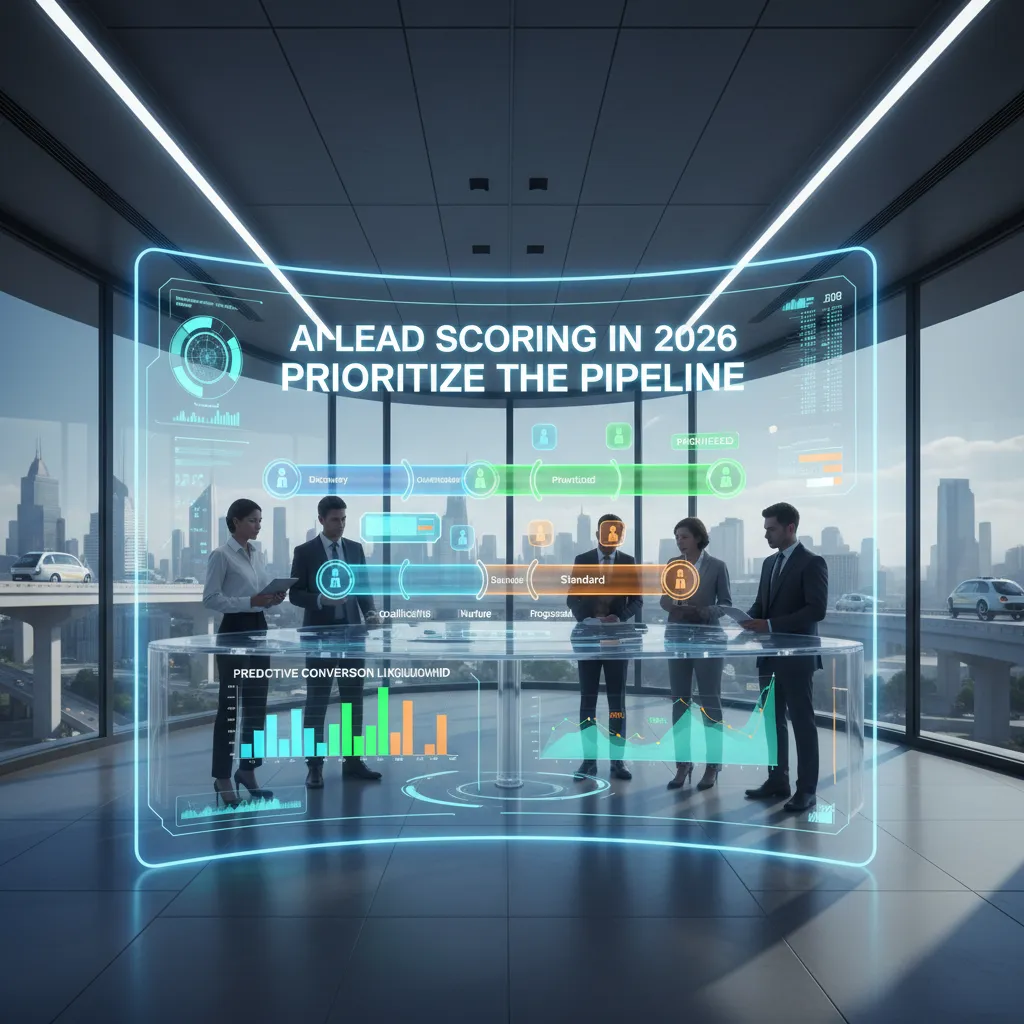
AI lead scoring uses machine learning algorithms to predict conversion probability in real time. Start by auditing your current lead process and data quality, train on 12+ months of outcomes with an 80/20 split, set score thresholds tied to lead routing, and track performance metrics like response times, conversion rates, and sales velocity—then keep a feedback loop so accuracy growth compounds.
AI Quality Control on the Plant Floor

AI quality control works best when you treat it like a plant-floor system, not a lab project: start with one painful defect, capture clean data, run in parallel with inspectors, and scale once you’ve proven real-time defect detection, cost reduction, and predictable, consistent results.