
Sales Tips 2026: 63 Habits I’d Actually Keep

Reply faster than feels polite (63% of buyers expect same-day). Write the plan, protect prospecting time, qualify like a skeptic, sell outcomes not price, and use data + empathy to become a trusted advisor—especially in virtual selling.
Ops Tips + Keyword Analytics for Busy Pros
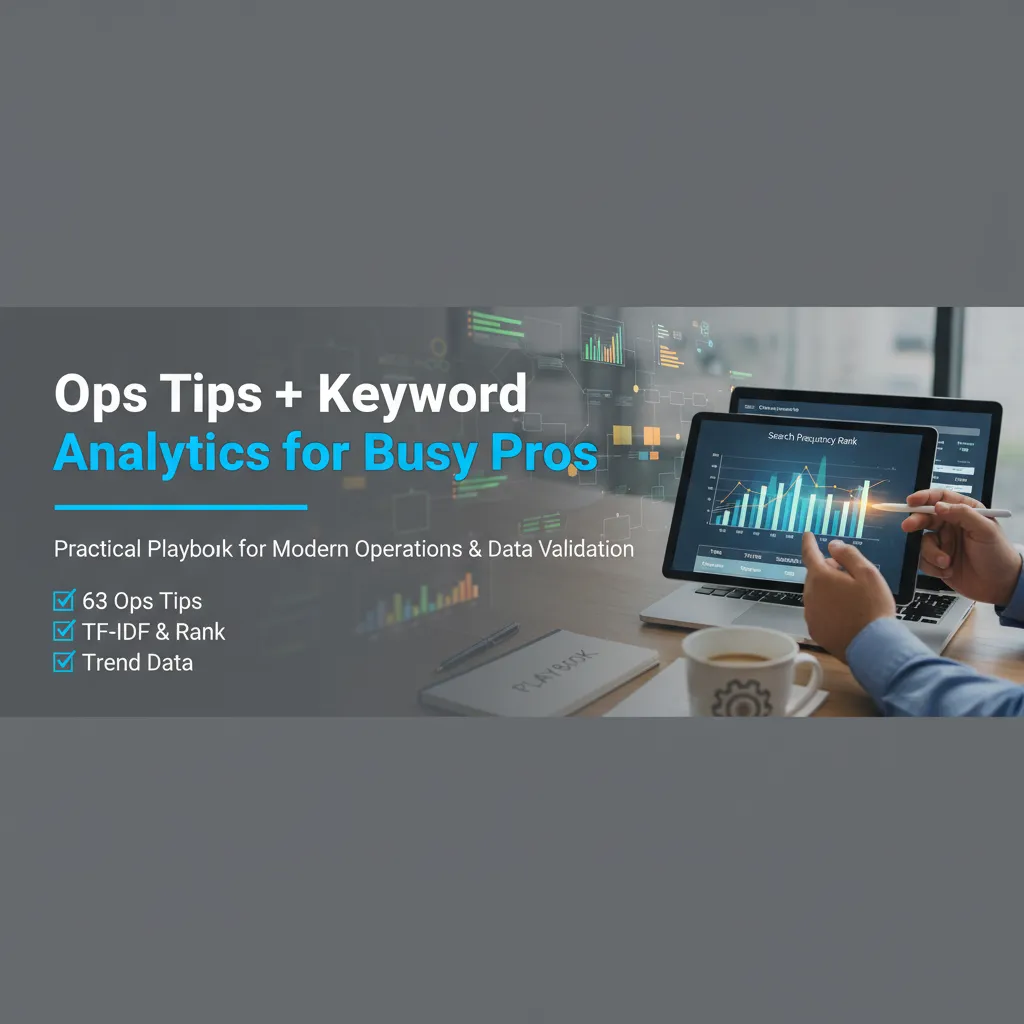
I grouped 63 operations tips into a few high-impact themes: decision hygiene, flow + bottlenecks, systems thinking (ERP/SCM/SOA), and measurement. Then I added a keyword-analytics layer—TF-IDF, Search Frequency Rank, and Research Topic Trends—so the practices stay relevant and measurable.
AI Strategy for Leaders: People-First in 2026
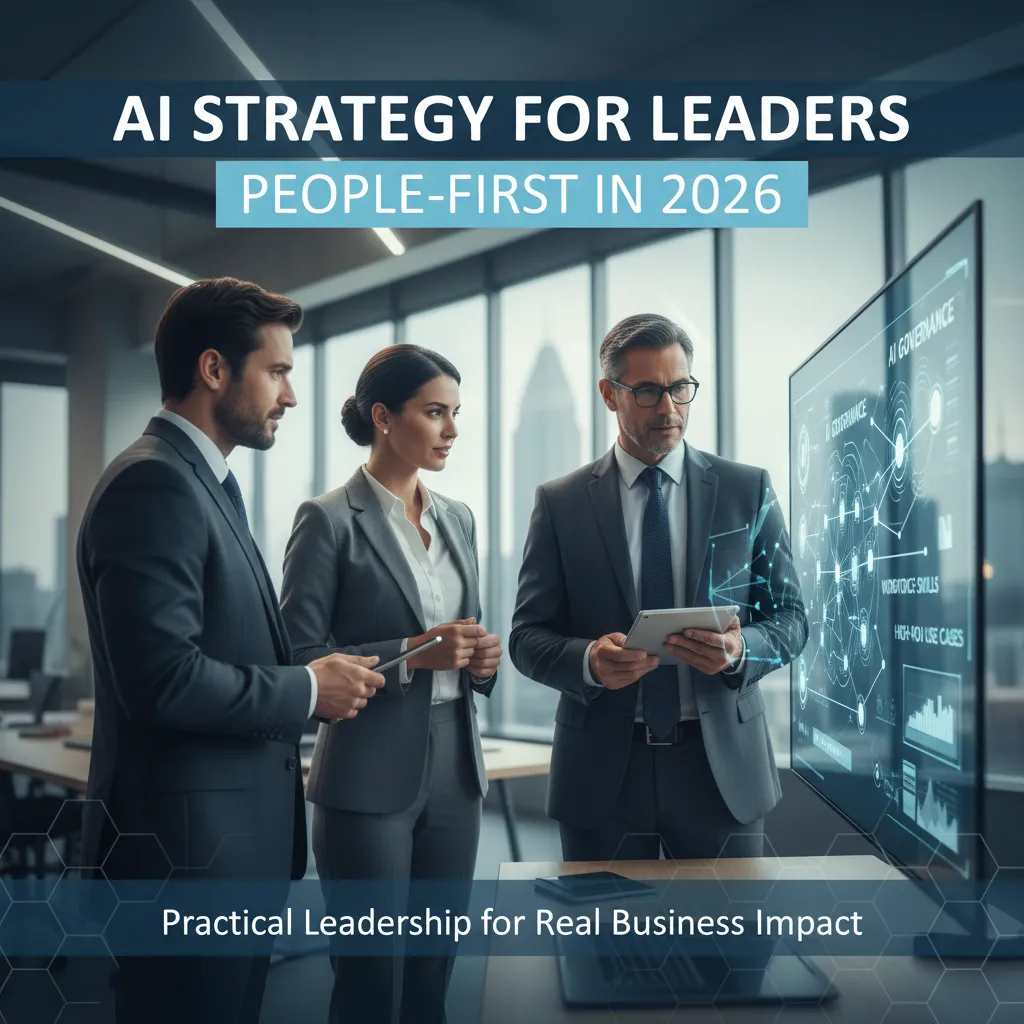
AI strategy in 2026 is less about picking shiny tools and more about people-first leadership: clear ownership, a federated AI governance model, data readiness, an operating model that can ship, and a measurable portfolio of high-ROI use cases. Treat AI as a leadership skill, build an AI workforce that pairs humans with AI workers/agents, and measure business outcomes early—because adoption without EBIT impact is just expensive enthusiasm.
AI Product Strategy 2026: A No-Hype Playbook
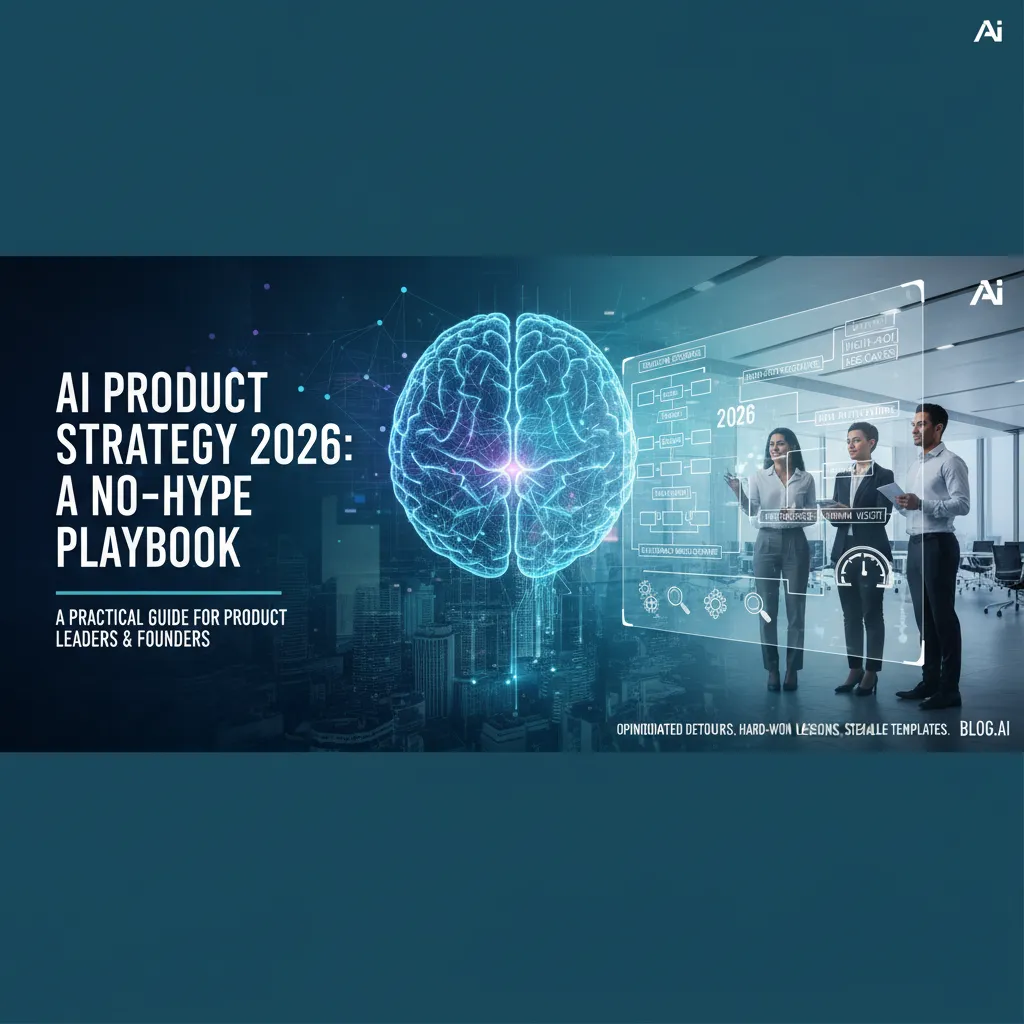
Build an AI Product Strategy for 2026 by going problem-first, prioritizing high-ROI use cases (aim ~70% quick wins), designing AI-native architecture with intelligence middleware and model observability, protecting proprietary data moats, and optimizing for learning velocity + retention-led growth—not demos.
2026 Marketing AI Trends: A Practical Strategy
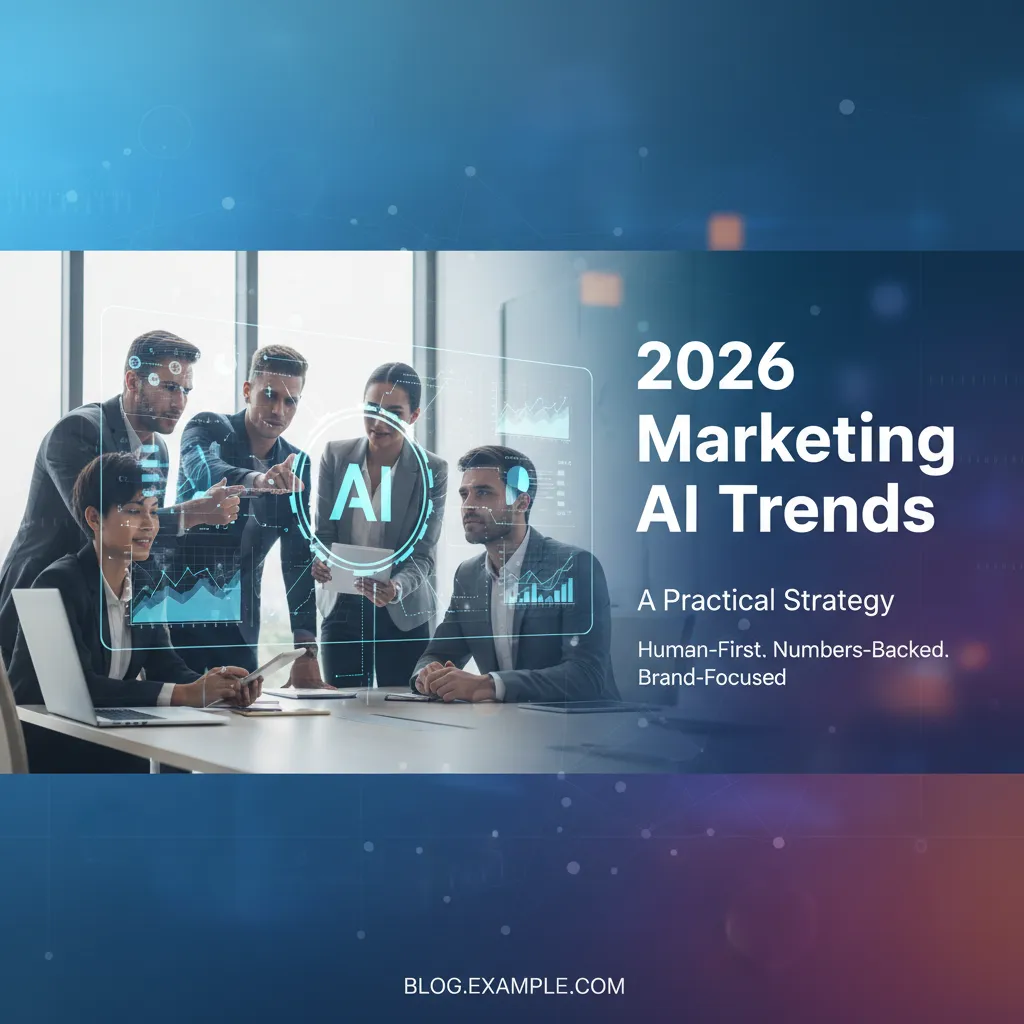
For 2026 marketing trends, I’m treating AI as invisible infrastructure: streamline AI marketing operations, use synthetic data sources carefully, measure ROI by cycle time and rework, optimize for AI shopping assistants, and protect trust in AI with real brand authenticity.
2026 Data Science AI Strategy Guide (My Playbook)
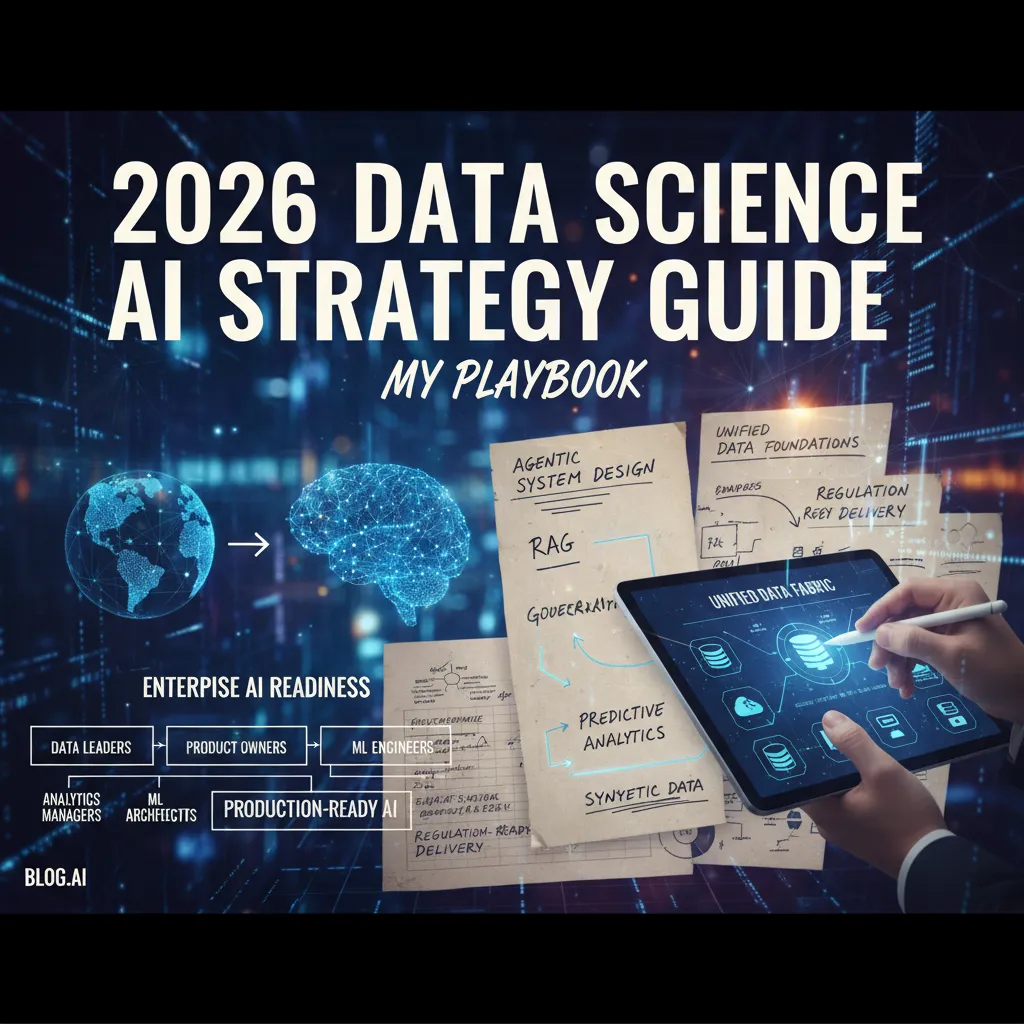
By 2026, winning with AI is less about “training a model” and more about operationalizing agentic systems on a unified governed data foundation: RAG + vector databases, rigorous evals (golden datasets, offline testing, drift), autonomous analytics copilots, synthetic data workflows, predictive/prescriptive intelligence, and regulation-ready governance (e.g., EU AI Act).
Finance Teams’ Playbook for AI Finance Tools
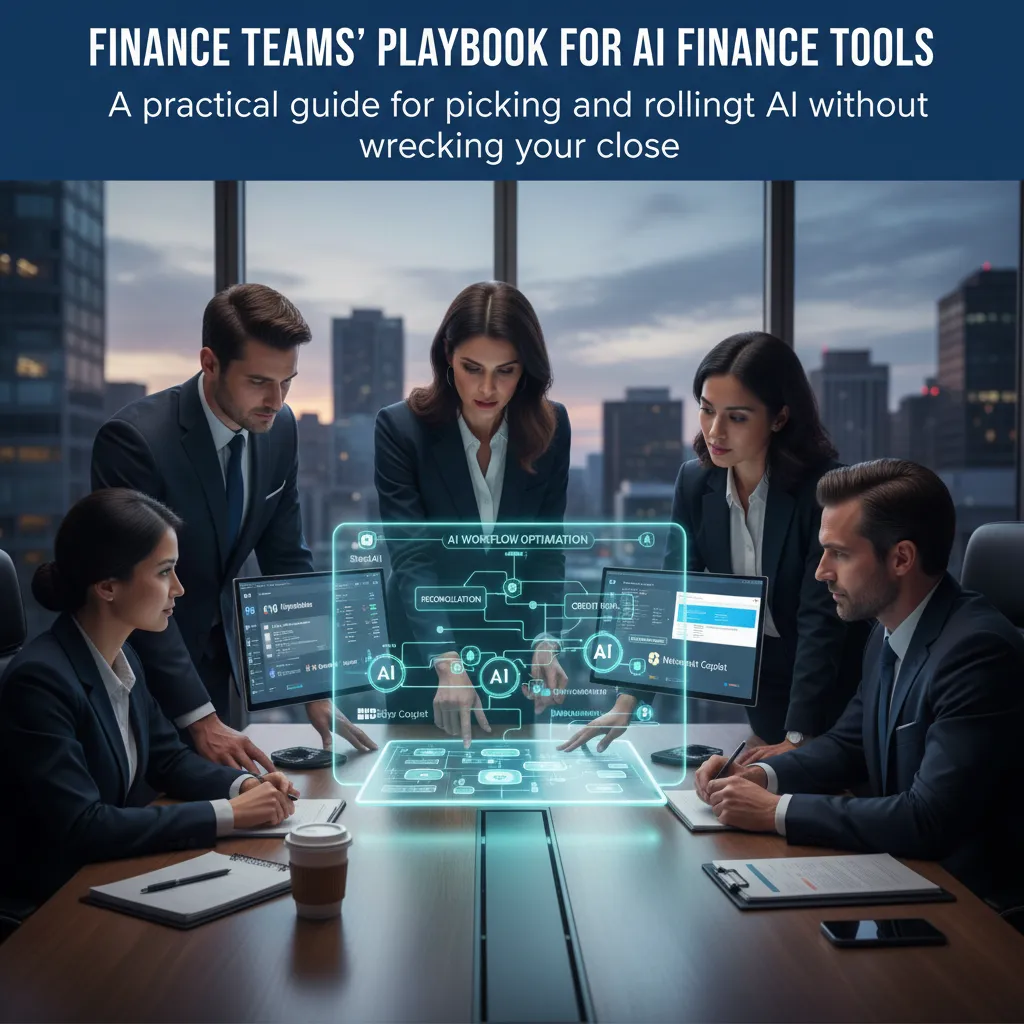
If you want AI that helps finance teams (not just demos), start with 3 workflows: real-time forecasting, AI reconciliation for the financial close, and credit risk modeling. Choose tools that are explainable, integrated (Excel/ERP/Salesforce), and auditable. Measure impact with cycle time, forecast accuracy, and error rate—then scale via no-code automation and AI agents with compliance workflows baked in.
HR AI Strategy Guide for 2026 Planning
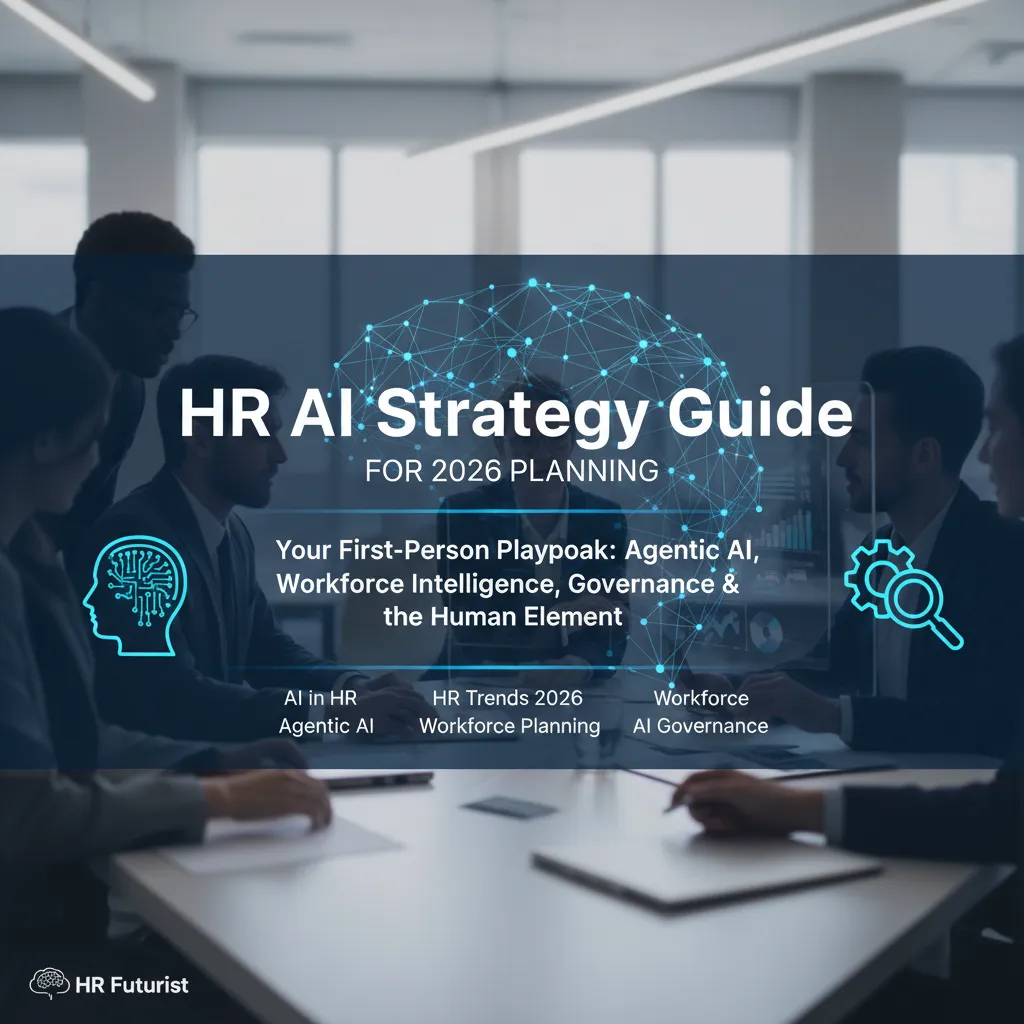
If I had to boil it down: I’d start with a skills-based approach and workforce planning, pair HR-IT collaboration with an AI architecture I can defend, pilot agentic AI in HR operations where time savings are measurable, and lock in AI governance (privacy + bias mitigation) before scaling. Then I’d use predictive analytics to prove business value—especially in benefits experience and retention improvement—because that’s where employees feel it fastest.
AI Sales Strategies 2026: A Complete Guide
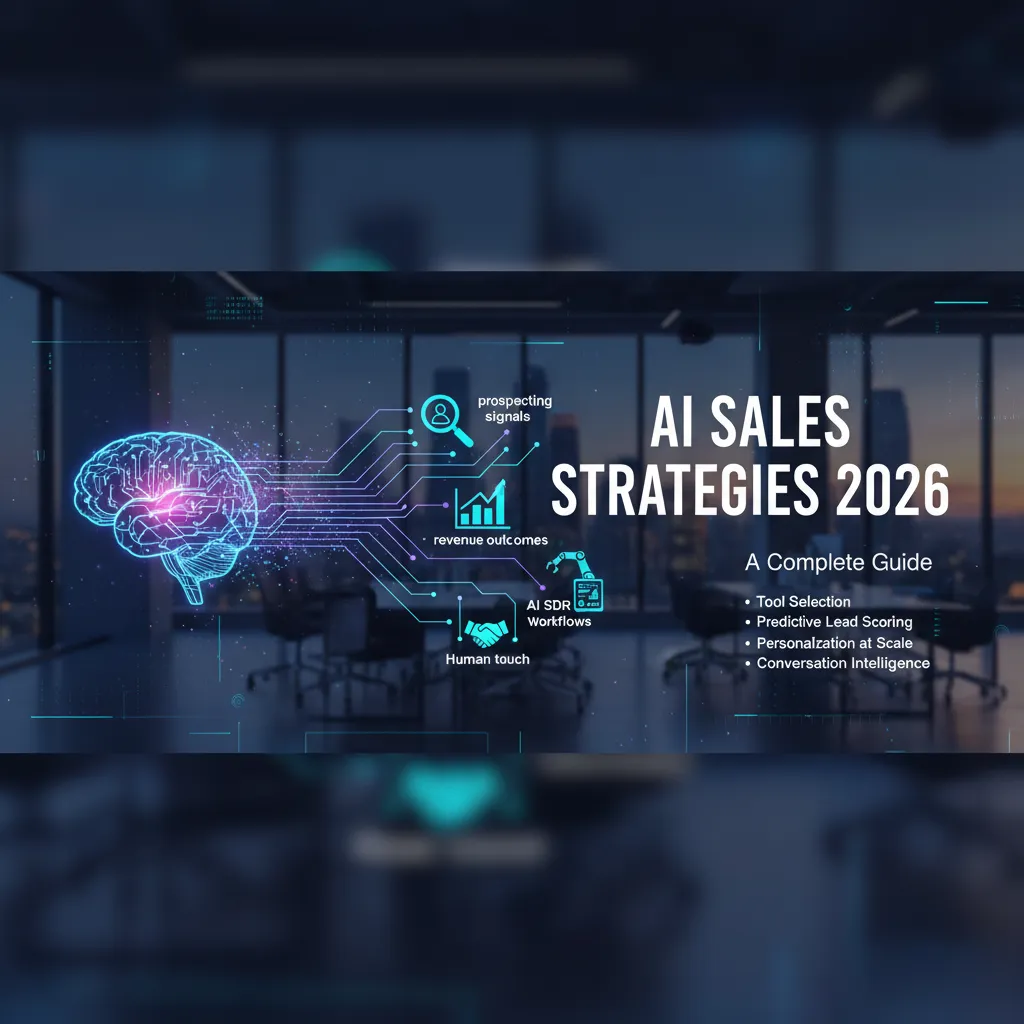
If I had to boil it down: I use AI-driven sales tools to cut research time (up to 90%), score leads with predictive analytics, personalize outreach messaging across channels, and coach with conversation intelligence—while keeping humans in charge of relationships. The teams that win in 2026 will treat AI sales integration like infrastructure, not a hack.
Operations AI Strategy: A Practical 2026 Guide
Build an Operations AI Strategy around five pillars: business alignment, ROI use cases, data/platform readiness, AI governance framework, and operating model skills + MLOps/security. Aim for a 70/20/10 portfolio, deliver 90-day quick wins, embed AI into existing tools, and run weekly/monthly/quarterly improvement cycles to scale.