
State of AI Leadership: Ops Wins, Real Results
AI is moving from experiments to AI production, especially in operations. The leadership teams seeing real results pair CEO ownership with strong CDO/CAIO roles, centralized governance, and Responsible AI safeguards—then measure value like it’s an ops metric, not a moonshot.
AI Statistics & Trends 2026: Inside AI News Ops
AI didn’t “replace” AI-news work—it reorganized it. The biggest wins came from workflow orchestration, agentic AI for repeatable tasks, and lightweight governance that reduced errors without killing speed. The broader AI market surge (spending, users, investments) matters mainly because it changes audience expectations: faster updates, clearer sourcing, and fewer hallucinations.
AI Automation Examples That Actually Worked
AI Automation Examples that deliver real results tend to share the same bones: a clear handoff to humans, tight feedback loops, and real-time data. Expect up to ~70% support deflection with AI chatbots, 20–35% lift from sales follow-ups, and 40–50% faster time-to-hire when HR hiring is automated—plus big wins in predictive maintenance and supply chain intelligence.
AI in Product Ops: What Changed (and Why)
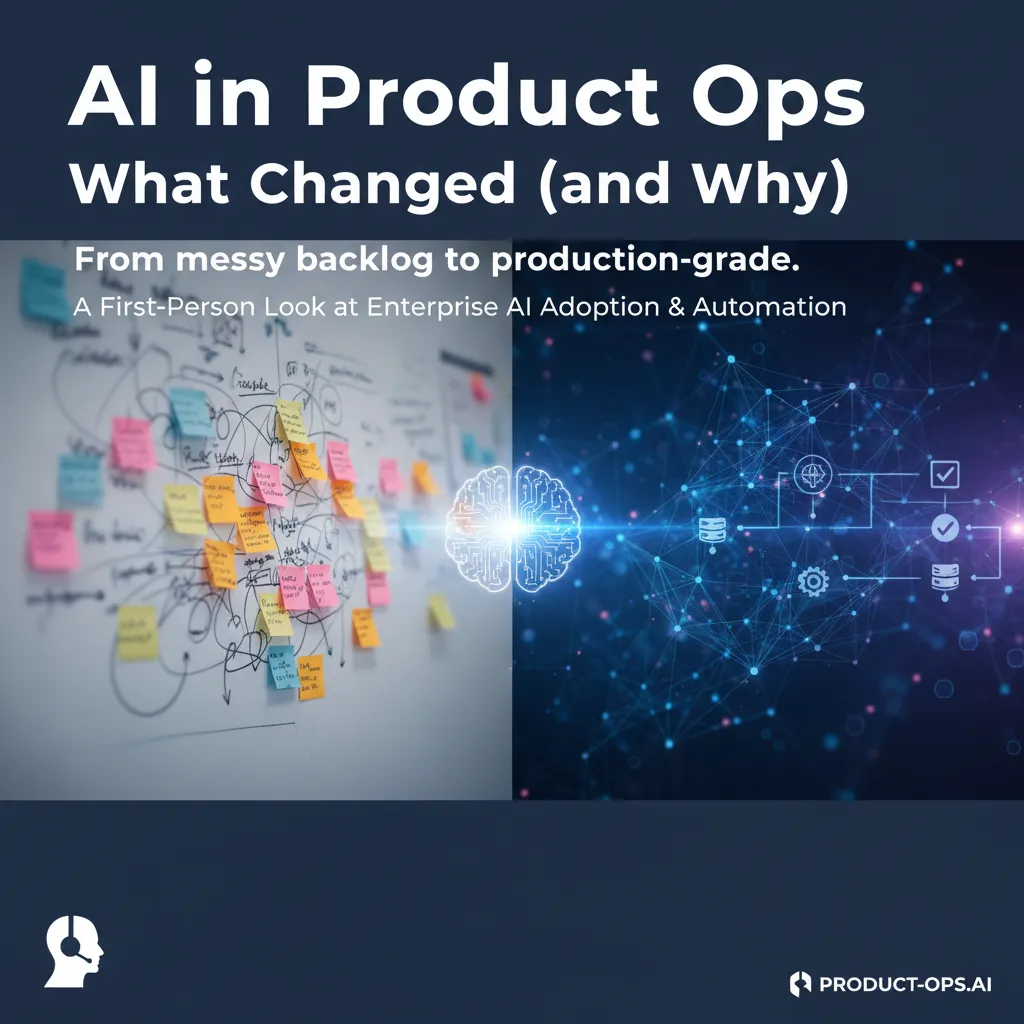
AI transformed my product operations when I treated it like a workflow partner, not a chatbot: automation for repeatable tasks, decision intelligence for trade-offs, agentic AI systems for end-to-end handoffs, and real evaluation to reach production-grade reliability.
AI Marketing Ops: Real Results, Less Chaos

AI transformed my marketing operations when I treated it like a teammate with guardrails: invest where ROI is measurable (faster cycles, less rework, scalable content production), track brand discovery across AI summaries/overviews, and prepare for AI agents as the next gatekeepers—without losing human connections.
AI & Data Science Ops: Real Results, 2026
AI and data science ops improved most when we treated generative AI as an organizational resource, built ‘AI factories’ (platform + methods + data + algorithms), invested in AI-ready data, and matured leadership (hello, chief data officer). Agentic AI is real but entering the trough of disillusionment; edge AI and smaller domain optimized models will quietly win on latency, cost, and sovereignty. Open source AI is speeding up governance and capability—if you operationalize it. Plan for denser hybrid computing (even quantum assisted) as AI infrastructure evolves toward 2026.
AI in Finance 2026: Real Results, Less Chaos

AI in Finance is moving from pilots to operational muscle: agentic AI can cut manual workload 30%–50%, speed PO cycles up to 80%, halve AML case time, and boost credit-risk memo productivity 20%–60%—but only if data infrastructure and AI governance show up early.
AI-Driven HR Ops: Real Results, Messy Lessons
AI in HR is already delivering measurable wins (70% lower admin task load, 30–40% hiring cost savings, better satisfaction), but the real unlock comes from pairing agentic AI with HR analytics, clear governance, and honest communication about headcount shifts.
AI Sales Tools in Sales Ops 2026: Real Results
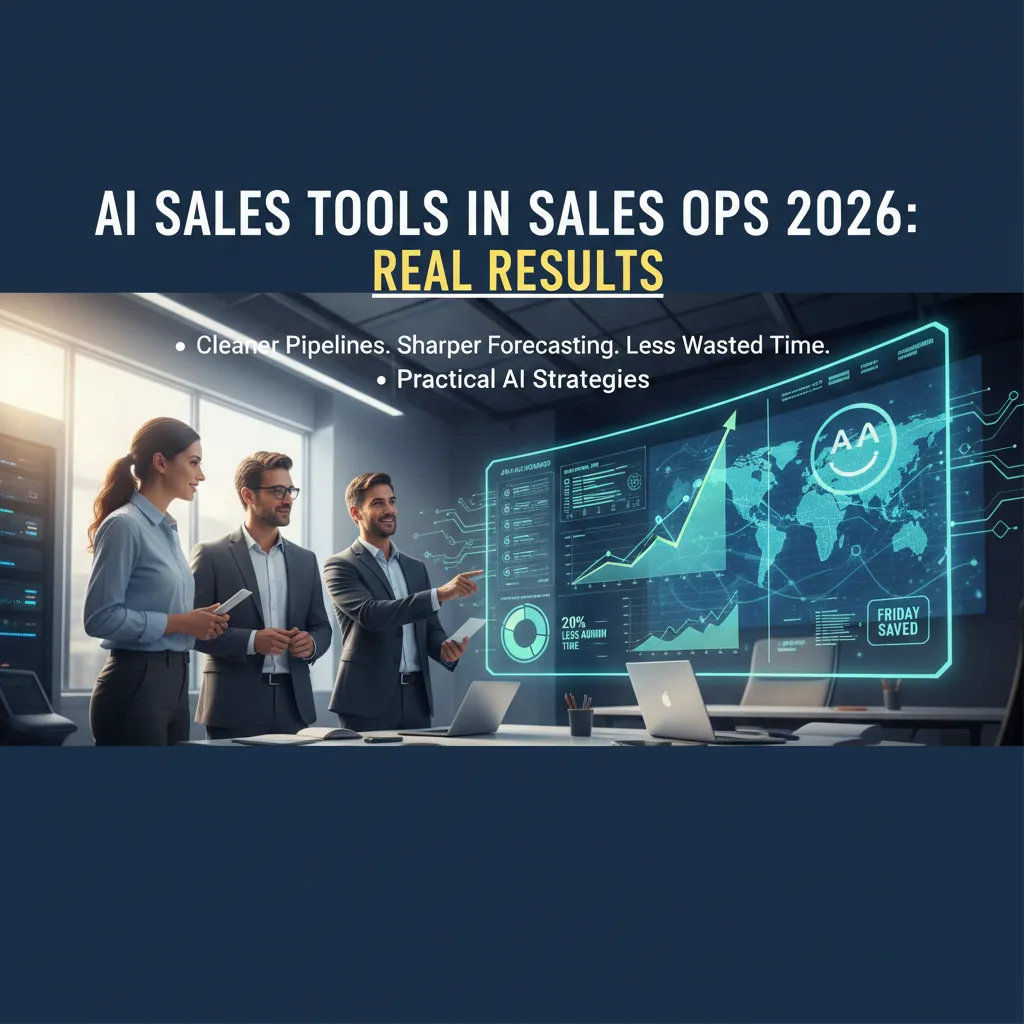
AI sales tools can materially improve sales efficiency and sales performance: better lead scoring, higher conversion rates, stronger sales forecasting and forecast accuracy, and faster cycles via conversation intelligence. The catch is boring but real: data quality, training, and incremental rollout matter more than the fanciest demo. By 2026, agentic AI and AI agents are expected to be embedded in RevOps, making hybrid human-AI selling a competitive advantage.
AI Operations Priority: Real Results, Real Shifts
Operations is shaping the next wave of AI adoption in 2026: fewer pilots, more execution discipline. Manufacturing is already deep in predictive AI (48%), supply chain planning (35%), and process optimization (36%), with 94% using some AI. Cloud ERP is a practical enabler (49% simplify IT, 49% cut costs, 48% improve agility). The winners will pair AI workflows with leadership shift, team preparedness, and clear performance metrics—while planning for big AI infrastructure spending ($527B) and the rise of physical AI (58% today, 80% soon).